Leaving It Alone
Not every old door needs to go
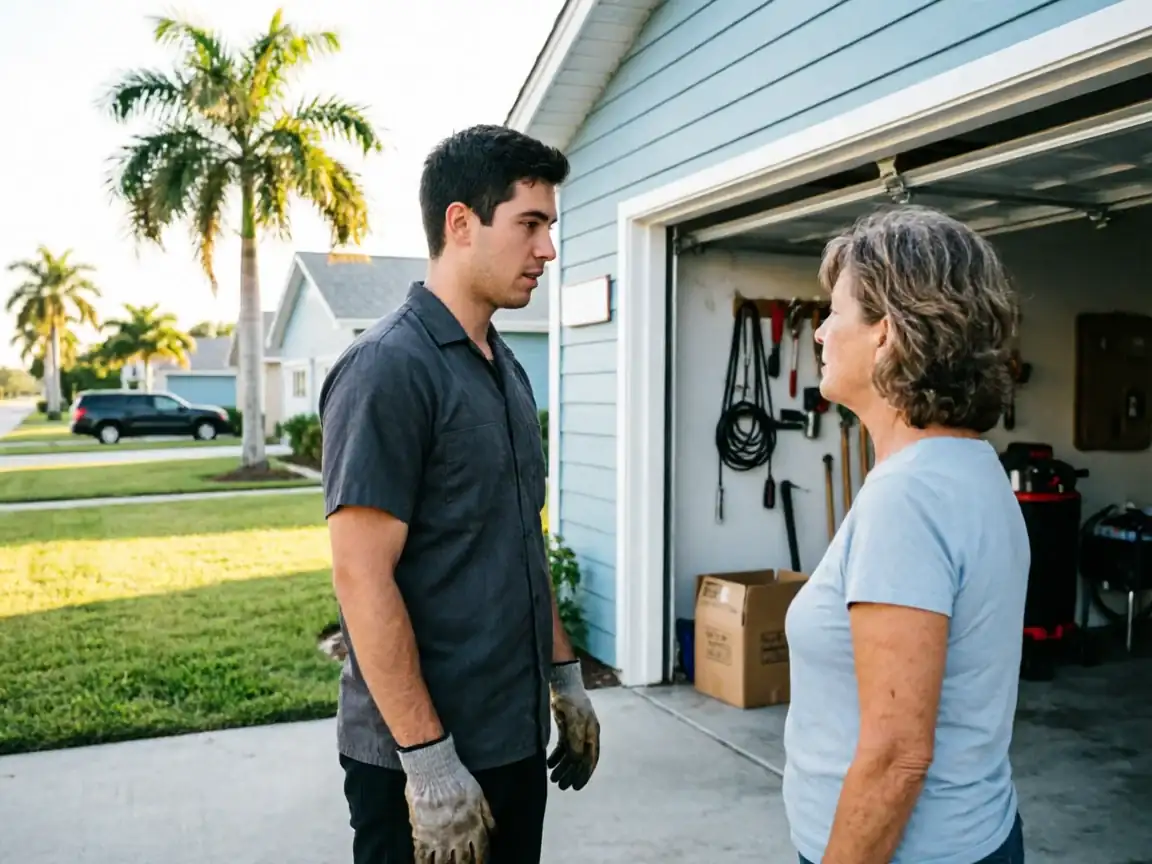
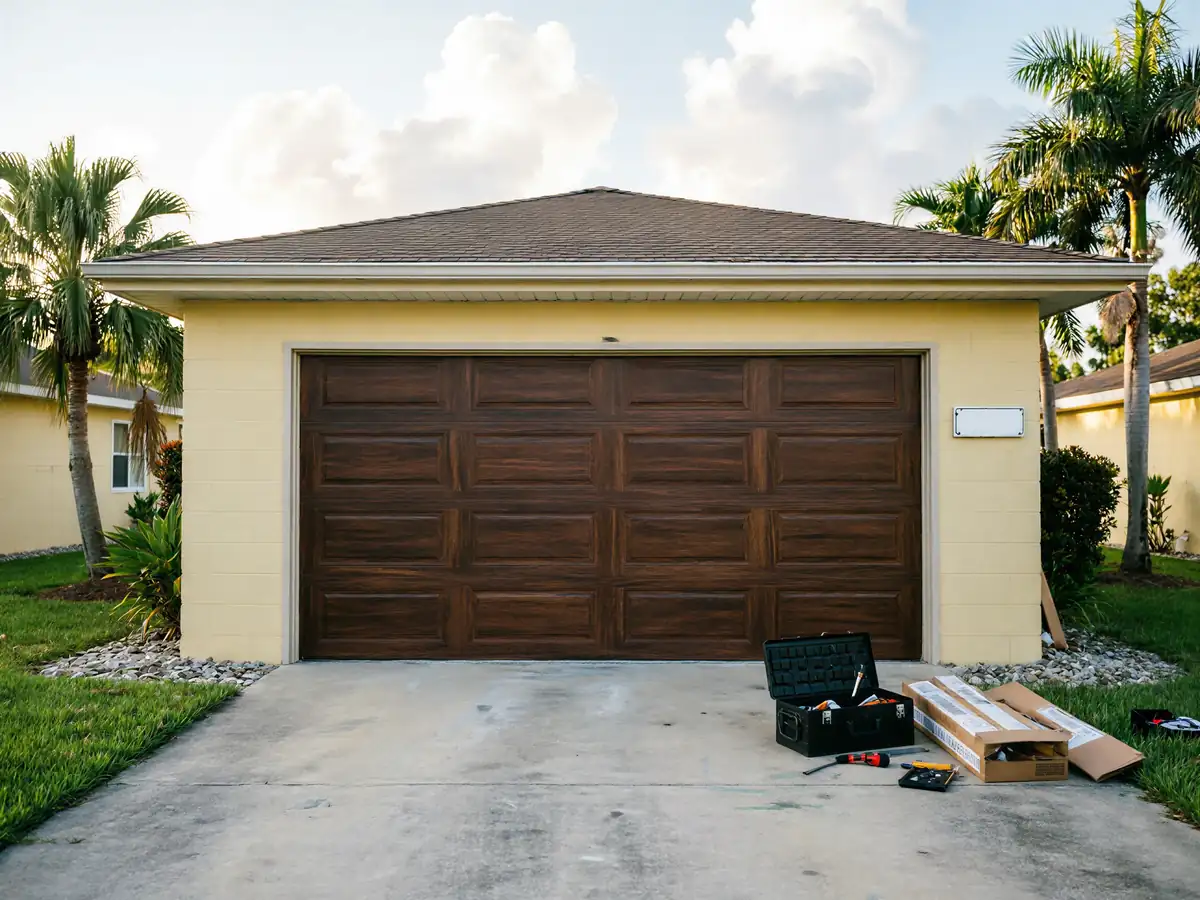
Houses in this service area went up mostly between 1953 and 1992, with the median landing around 1971, and plenty of those original doors are still doing their job. If the panels aren't rusted through, the springs still cycle smoothly, and the opener catches the door without strain, replacing it is money spent on nothing. We'll tell you that straight when we come out for a call, even though a sale would pay better than a tune-up.
The honest limitation here: we can't tell you a door is fine from a phone description
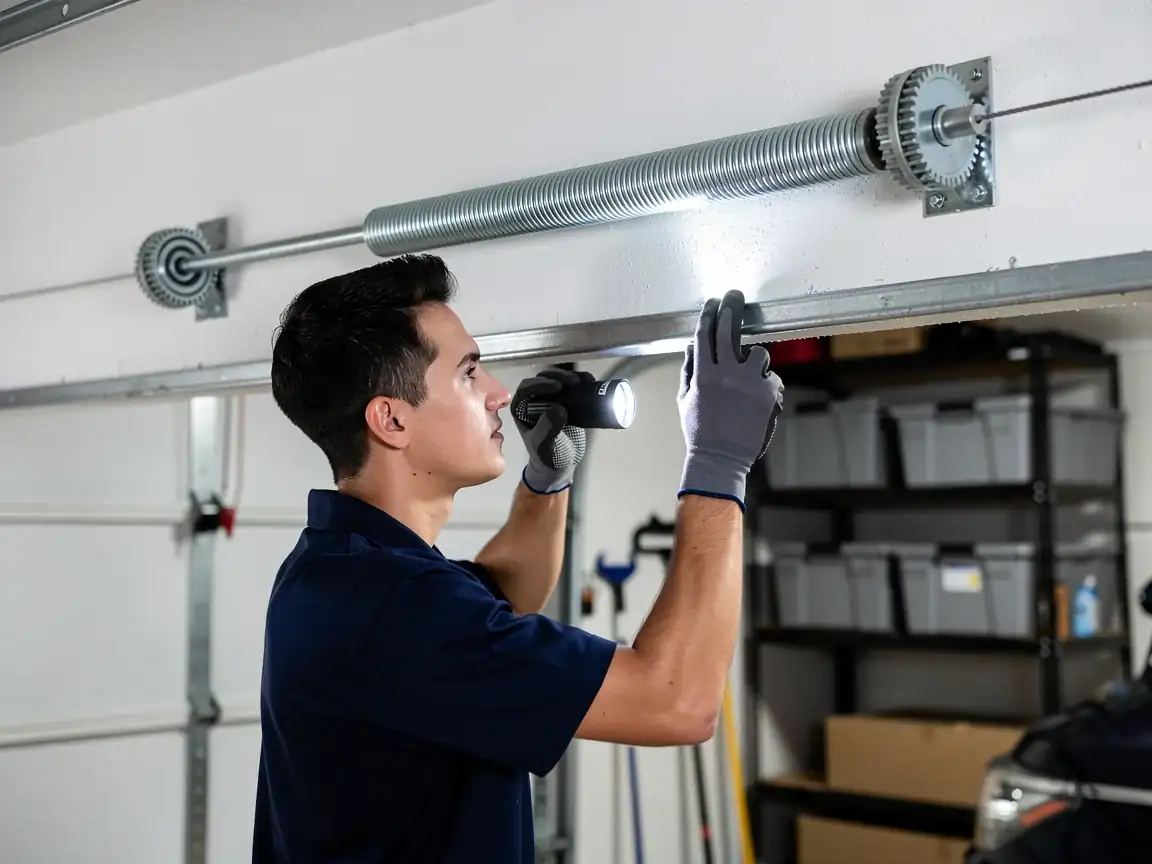
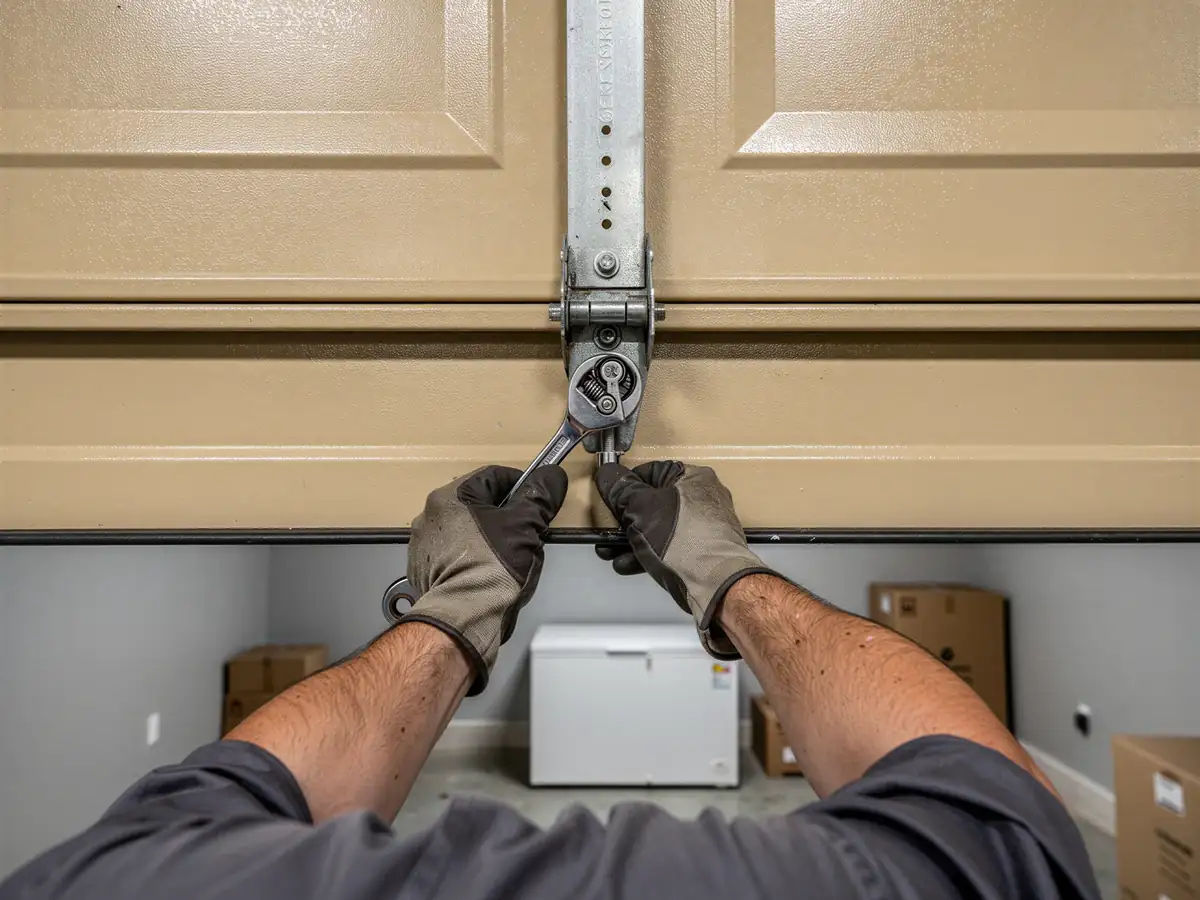
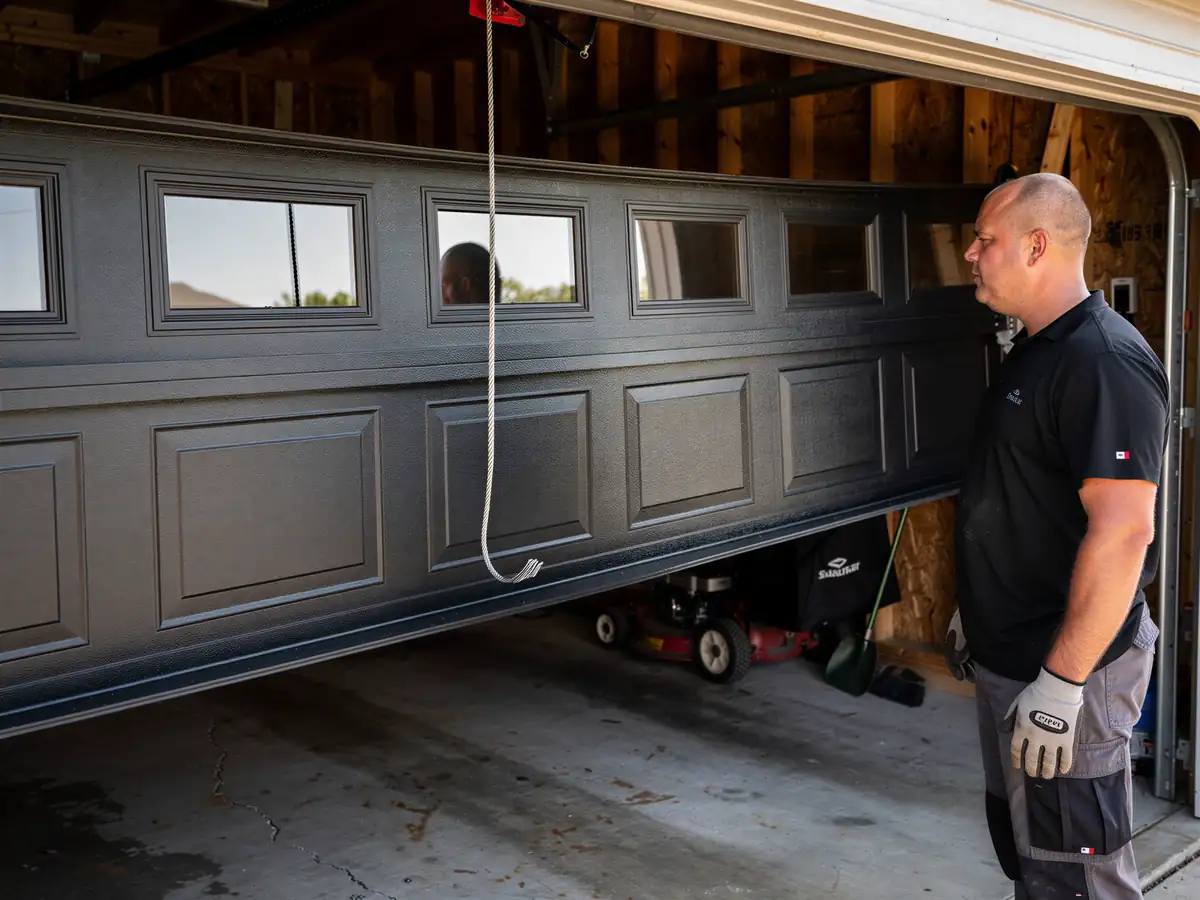
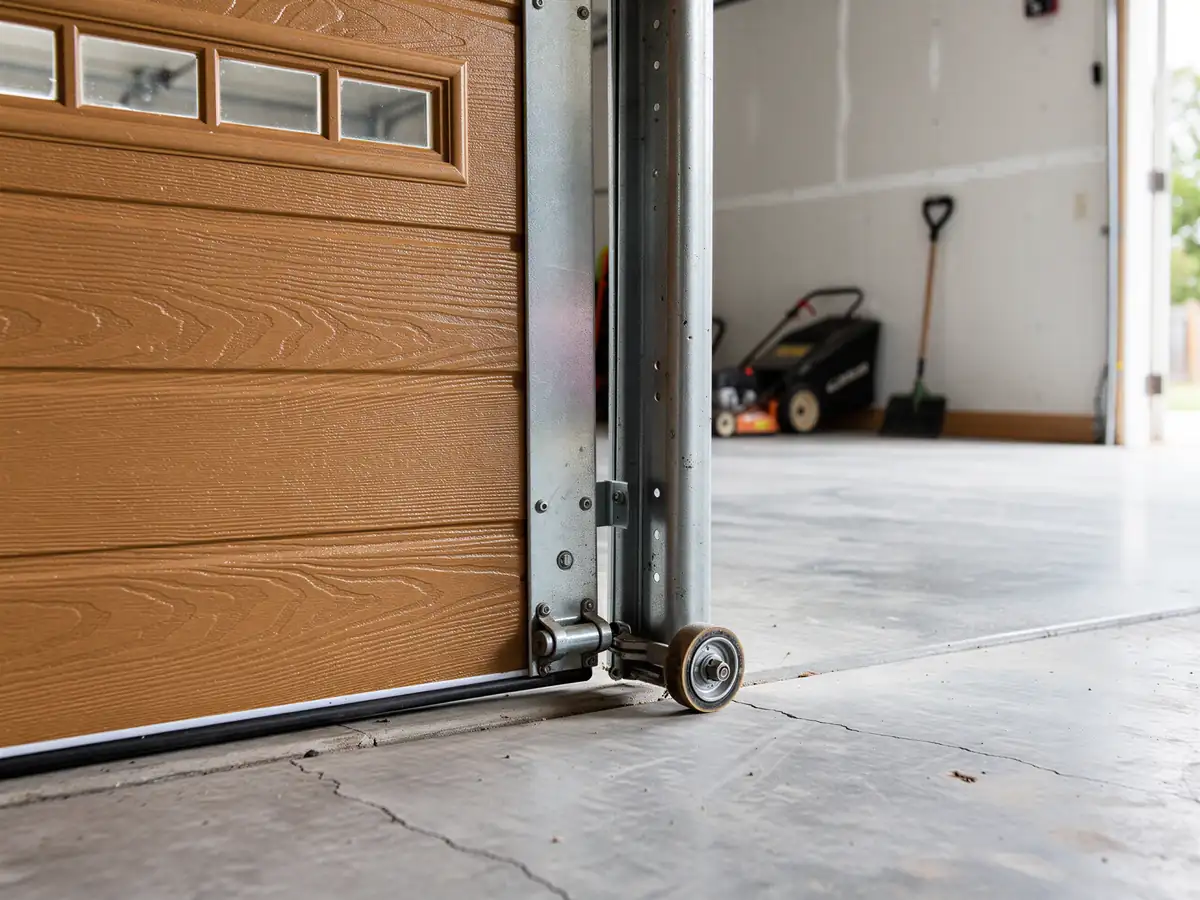
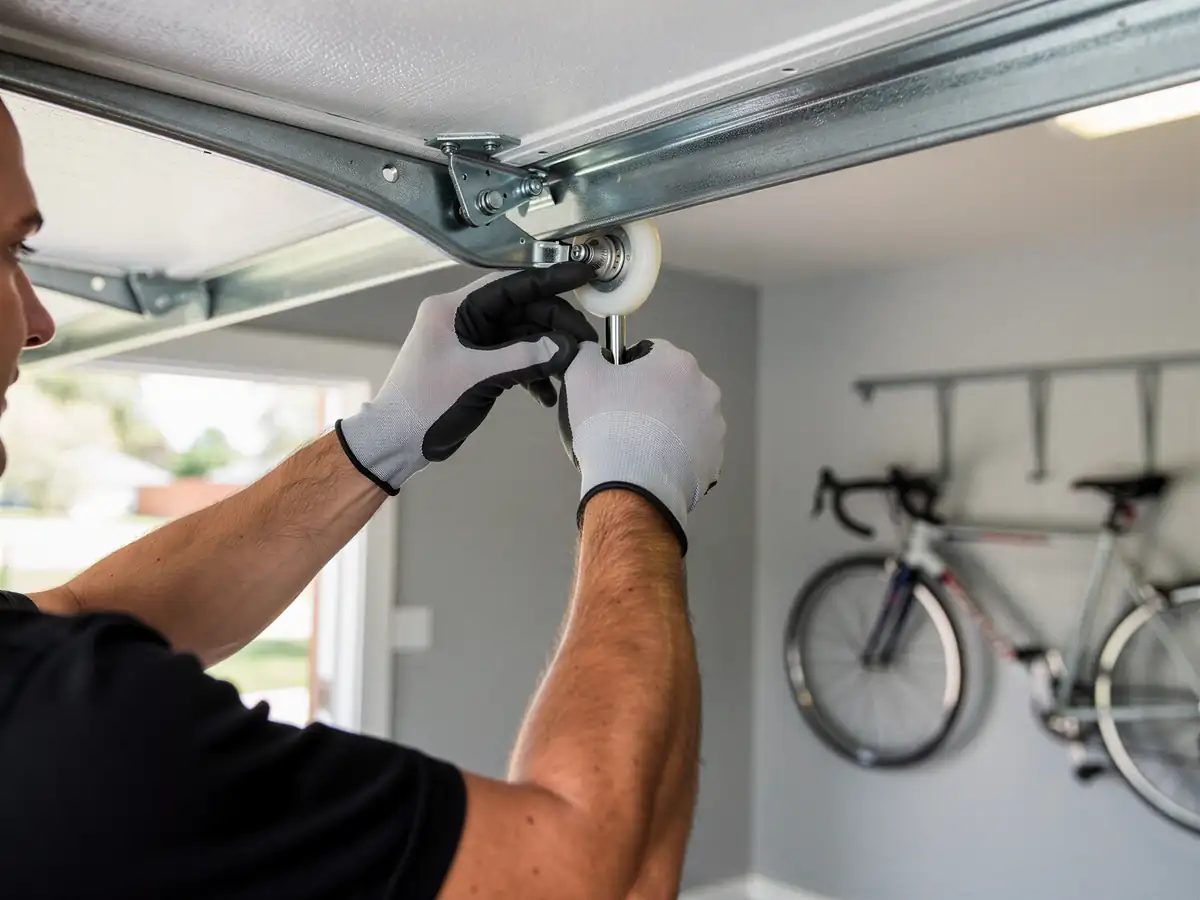
Hairline cracks in old fiberglass or a torsion spring near the end of its cycle count don't always show from the driveway. What we won't do is push a full replacement on a door that just needs a new roller or a cable adjustment. Given the age of the housing stock across this area, we see plenty of doors from the 1970s and 80s that have another decade left if the hardware underneath is sound. Swapping a working door because it looks dated is a decision for the homeowner to make, not one we'll manufacture a reason for.
What Local Conditions Do
The service area sits in a mild temperate climate band, which changes what actually wears a garage door out here compared to places with real winters. There's no freeze-thaw cycle splitting seams or cracking old wood panels the way it would further north. What this climate does instead is slow and steady: UV breaking down finishes, humidity swelling wood composite panels over years, and steady heat softening weatherstripping until it stops sealing.
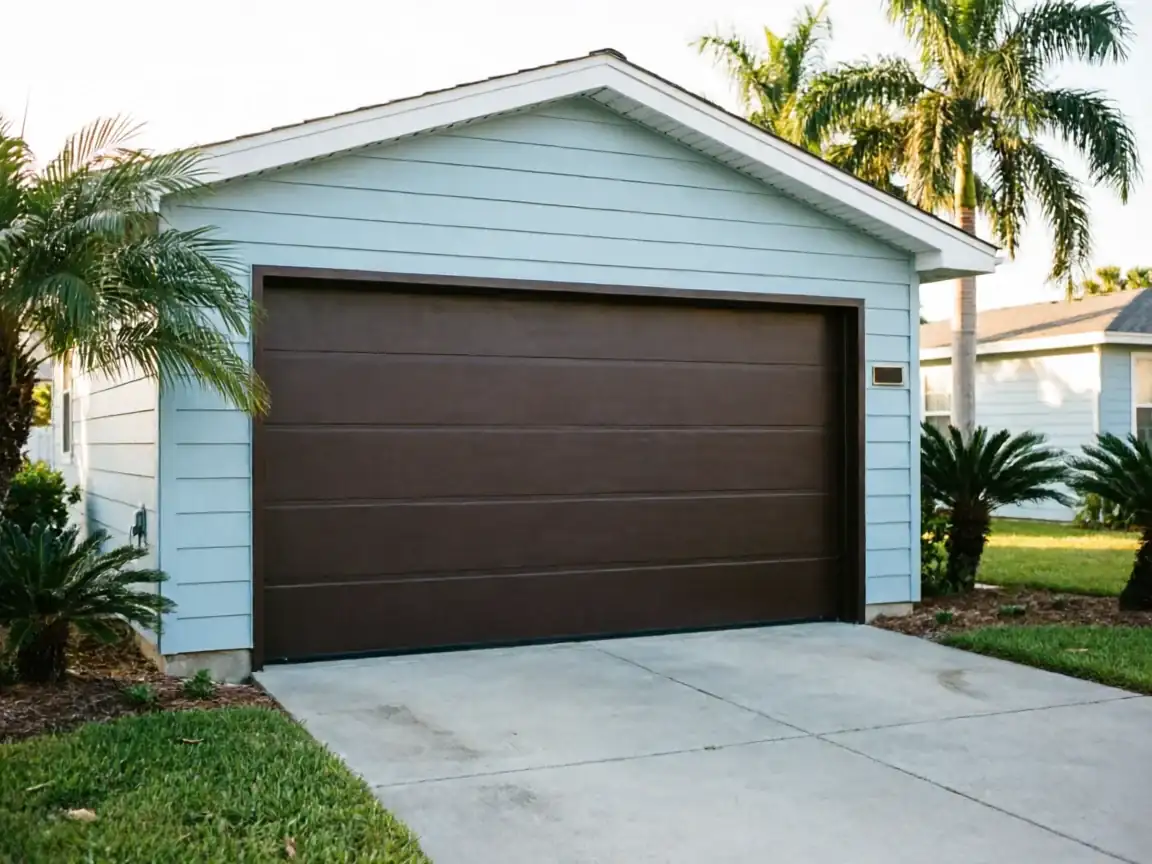
That means the failure pattern on a 1970s-era door here looks different than the same door would show in a colder state. You're less likely to find a door that cracked overnight and more likely to find one that's been quietly degrading - a bottom seal gone stiff, a panel bowed slightly from years of heat, hardware that's lost its coating. When you're shopping for a replacement, this matters for material choice: a steel door with a baked-on finish holds up differently under steady heat and humidity than it would under hard freezes. We size material and weatherstripping choices around that mild, consistent exposure rather than storm-driven damage, because that's not the failure mode we see out here.
The Situation
Across the service area's 28 named communities, the housing is mostly 1960s and 70s stock, with construction running from 1953 through 1992 overall. That matters for a replacement job in a practical way: garage openings built in that window don't always match the stock sizes a big box store or even a manufacturer catalog assumes as standard today. Track spacing, header height, and opening width can all run a little off from what a new door ships expecting.
The service area also covers 164,090 households, with 42,128 of those owner-occupied houses - a lot of individual garages built to whatever framing standard was common the year that block went up. Median household income here sits at $59,989, which is the number that usually decides whether a replacement job lands on a basic steel raised-panel door or something heavier with better insulation. None of this is dramatic, but it's the reason a replacement quote for a house near Sunny Isles Beach or Ives Estates isn't the same quote twice - the opening dictates more of the job than the door itself does.
Where People Go Wrong
The most common mistake we see is someone measuring the door itself instead of the opening and ordering based on that
On houses from the 1960s and 70s, the rough opening often isn't the clean, standard dimension a new door assumes, so a door that looks right on paper doesn't sit flush once it's hung.
The second mistake is swapping the door but keeping an opener and track setup that was built for the old door's weight and balance
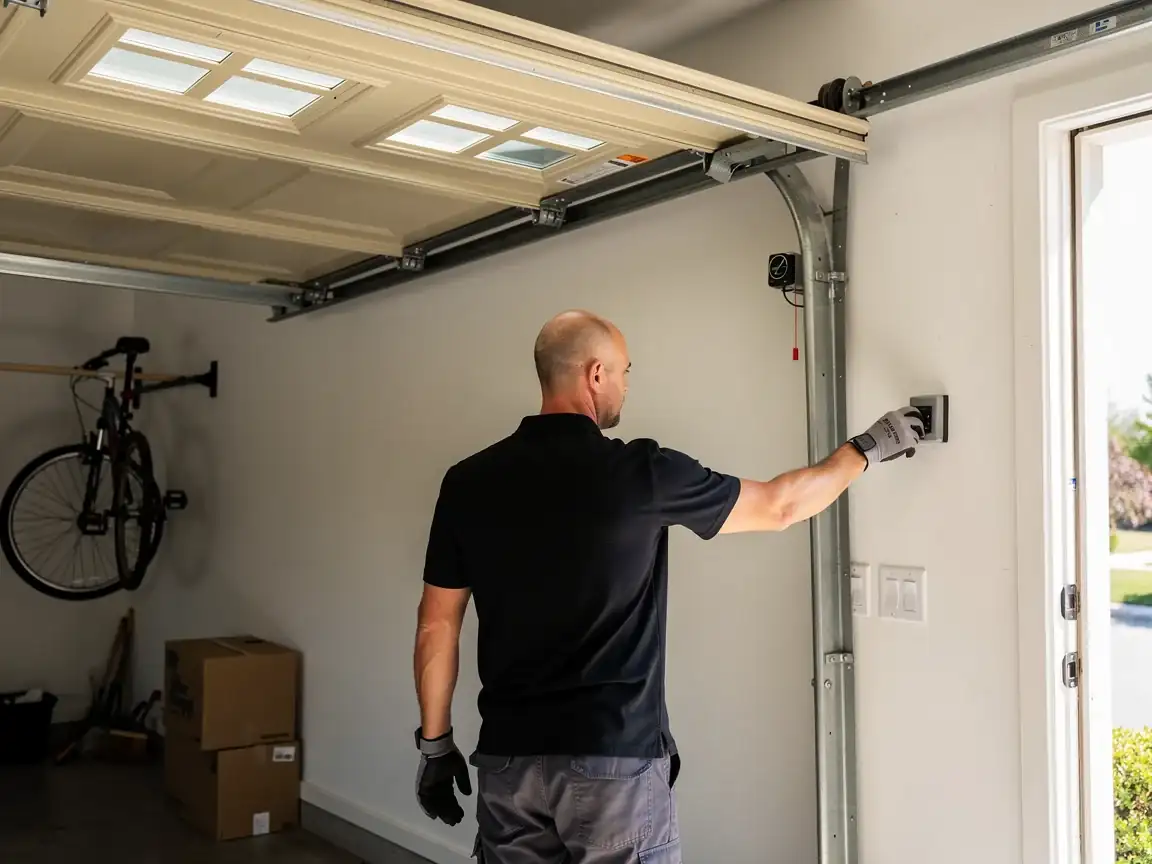
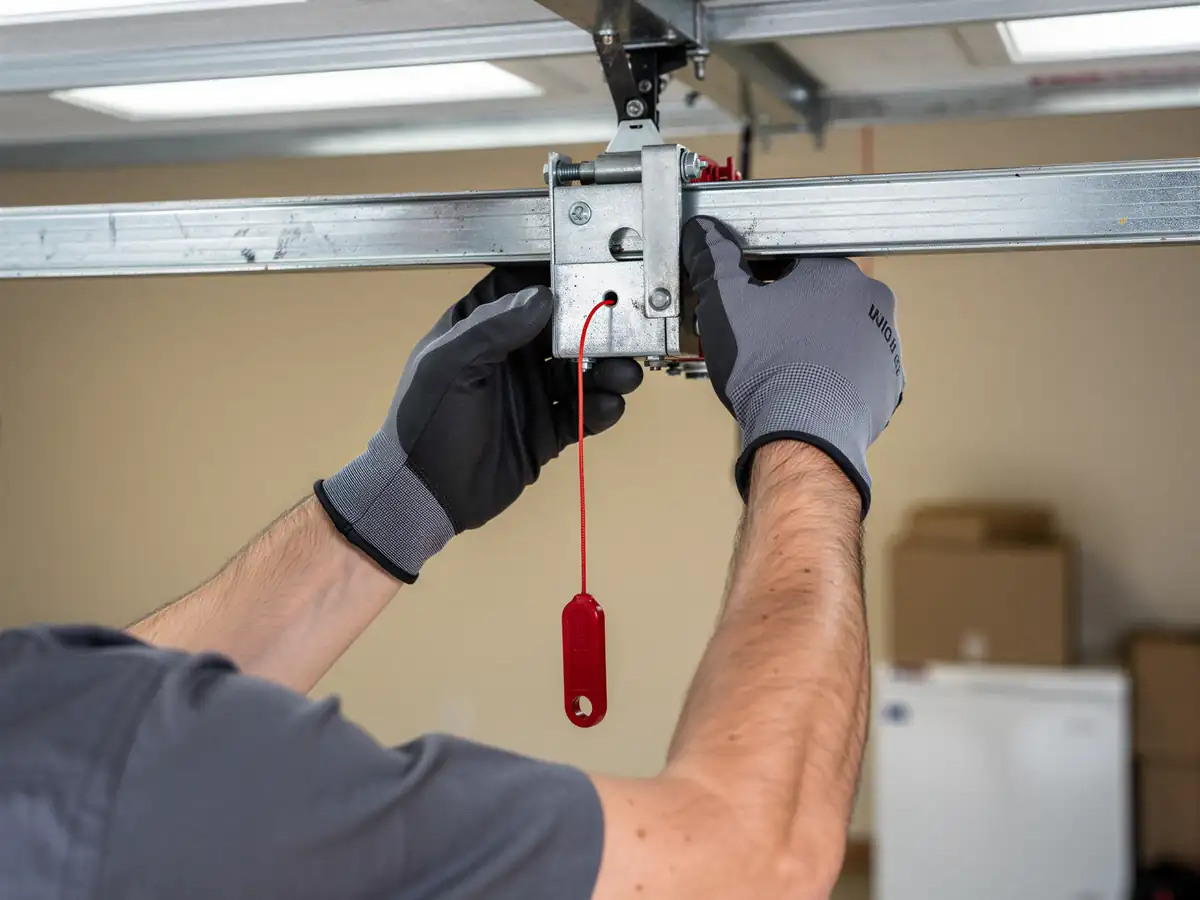
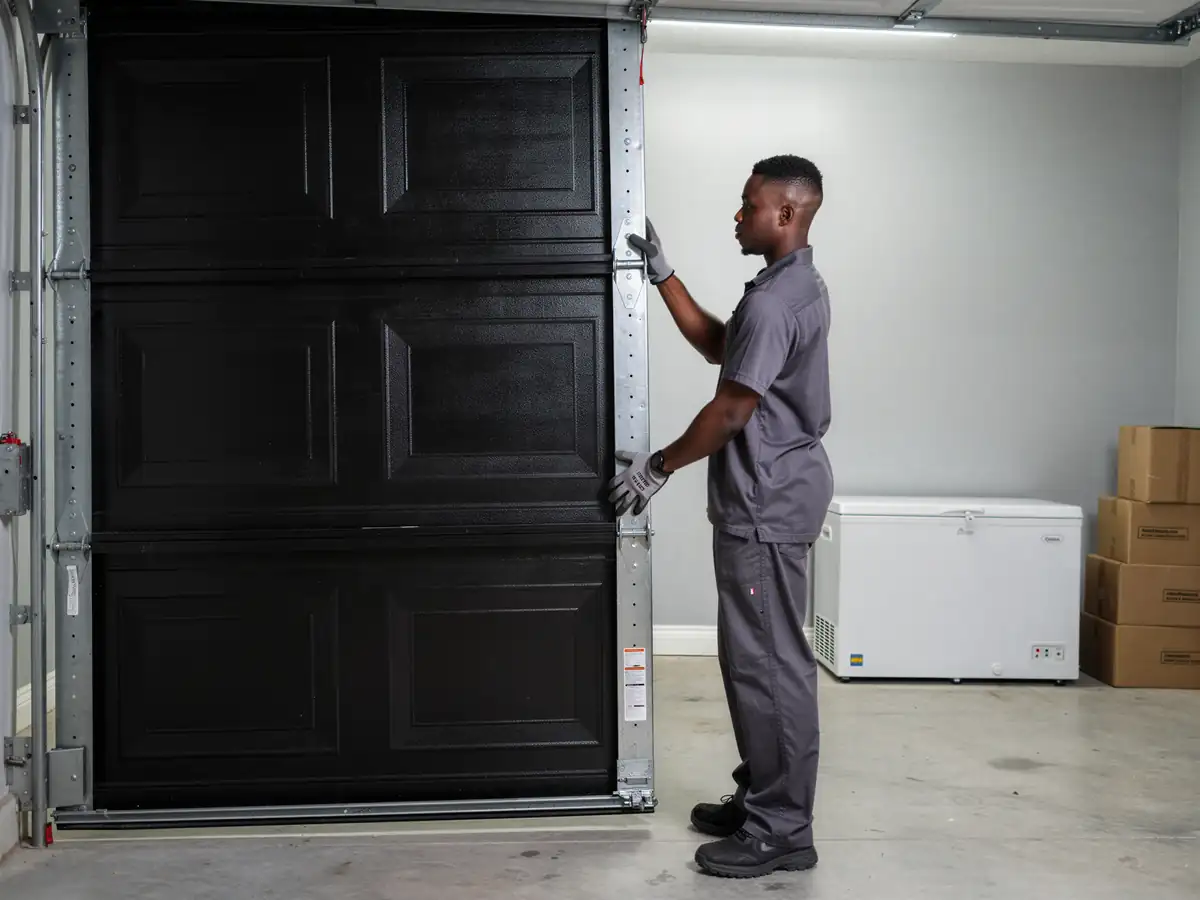
Older doors from this build era were often lighter or hung differently than current insulated steel doors, so a new door on an old track can bind, over-stress the opener, or just never travel smoothly. We check the track and opener together with the door measurement before quoting a replacement, because fixing the door and breaking the opener in the same job isn't a win for anyone.
The third mistake, specific to this market, is picking a door based on look alone without factoring in the mild climate's slow wear pattern
Choosing a finish or composite panel that handles cold snaps well but fades or swells under steady heat and humidity instead.