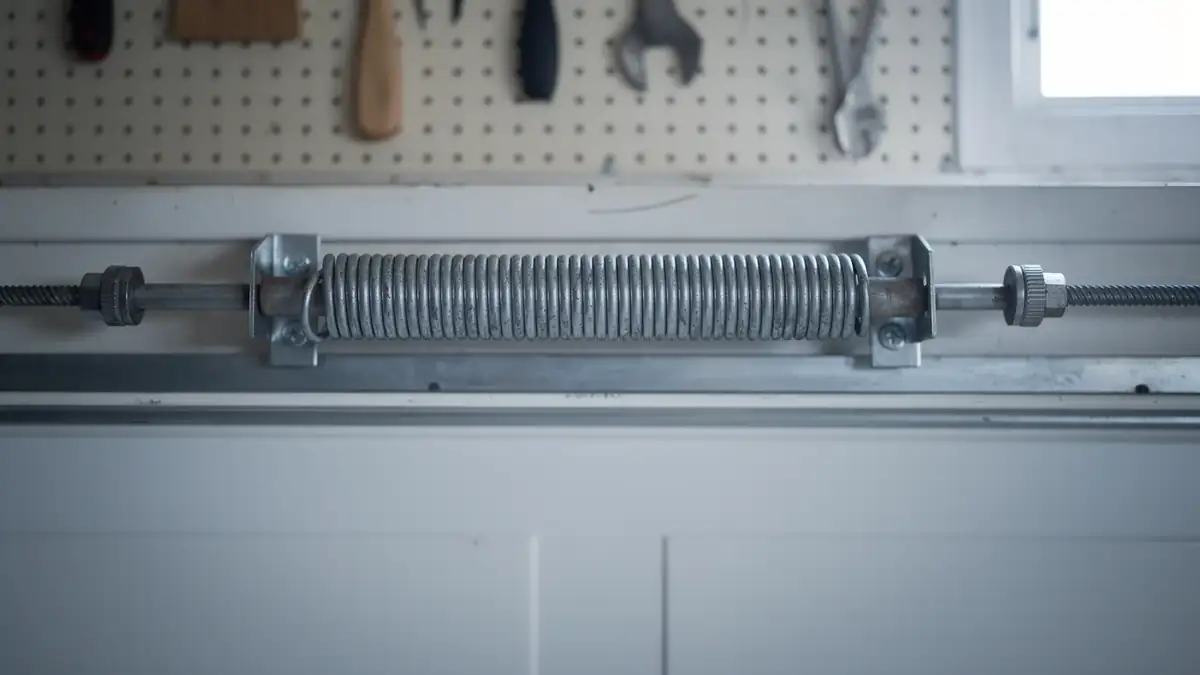
Leaving It Alone
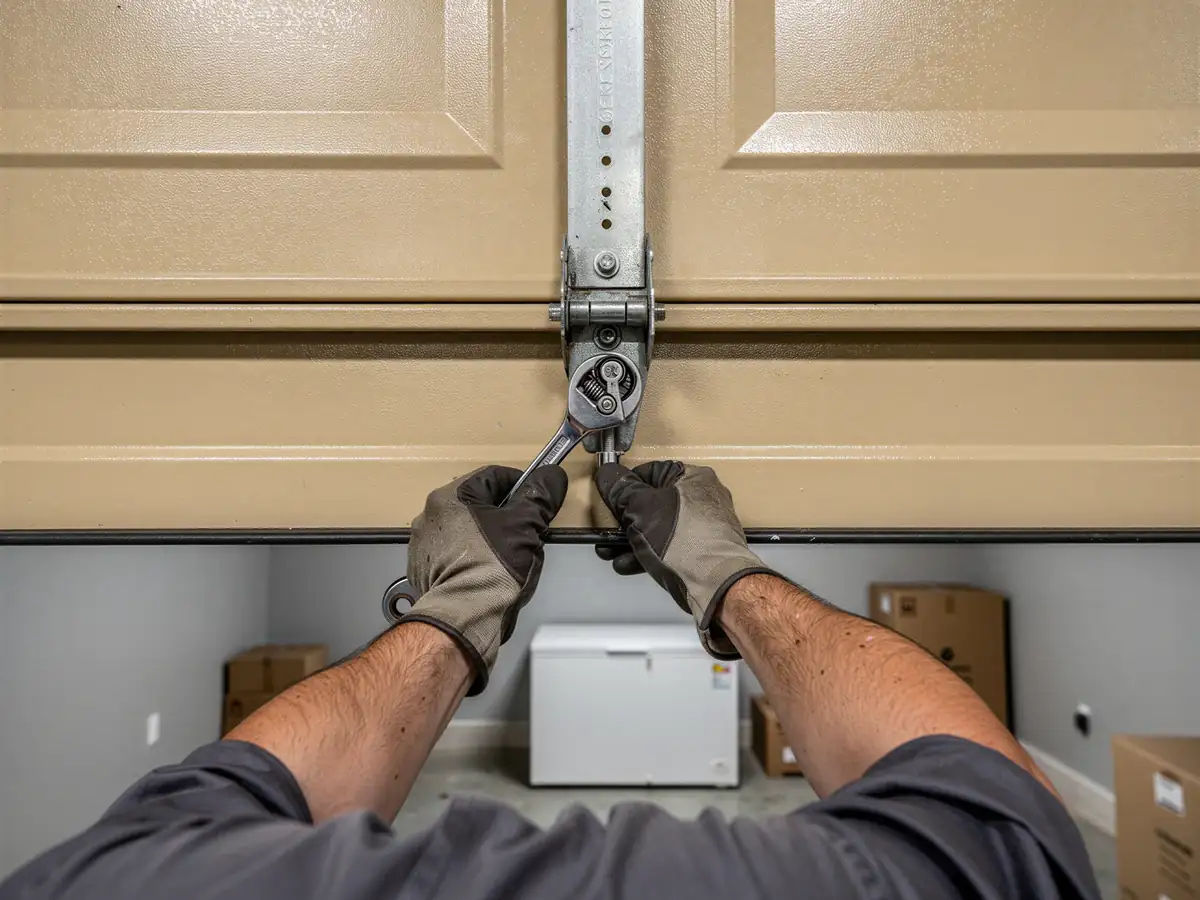
A spring that's started making noise or sagging on one side isn't a problem that waits for a slow week
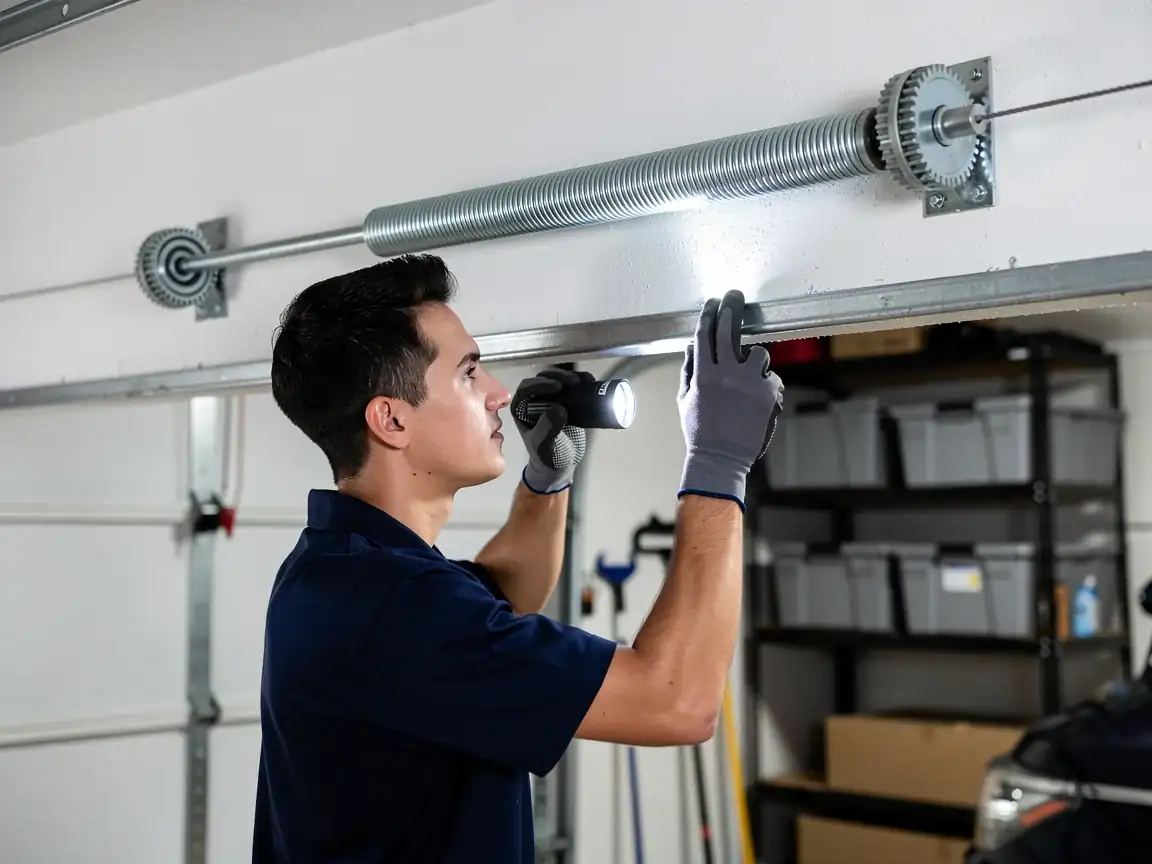
Aventura's housing went up mostly between 1953 and 1992, with the median year sitting at 1971, which means a good chunk of the torsion springs holding up these doors are original equipment or a single replacement removed decades ago. That's not a design flaw - it's just metal that's been doing the same lift, several times a day, for fifty years in some cases.
People leave it alone because the door still opens
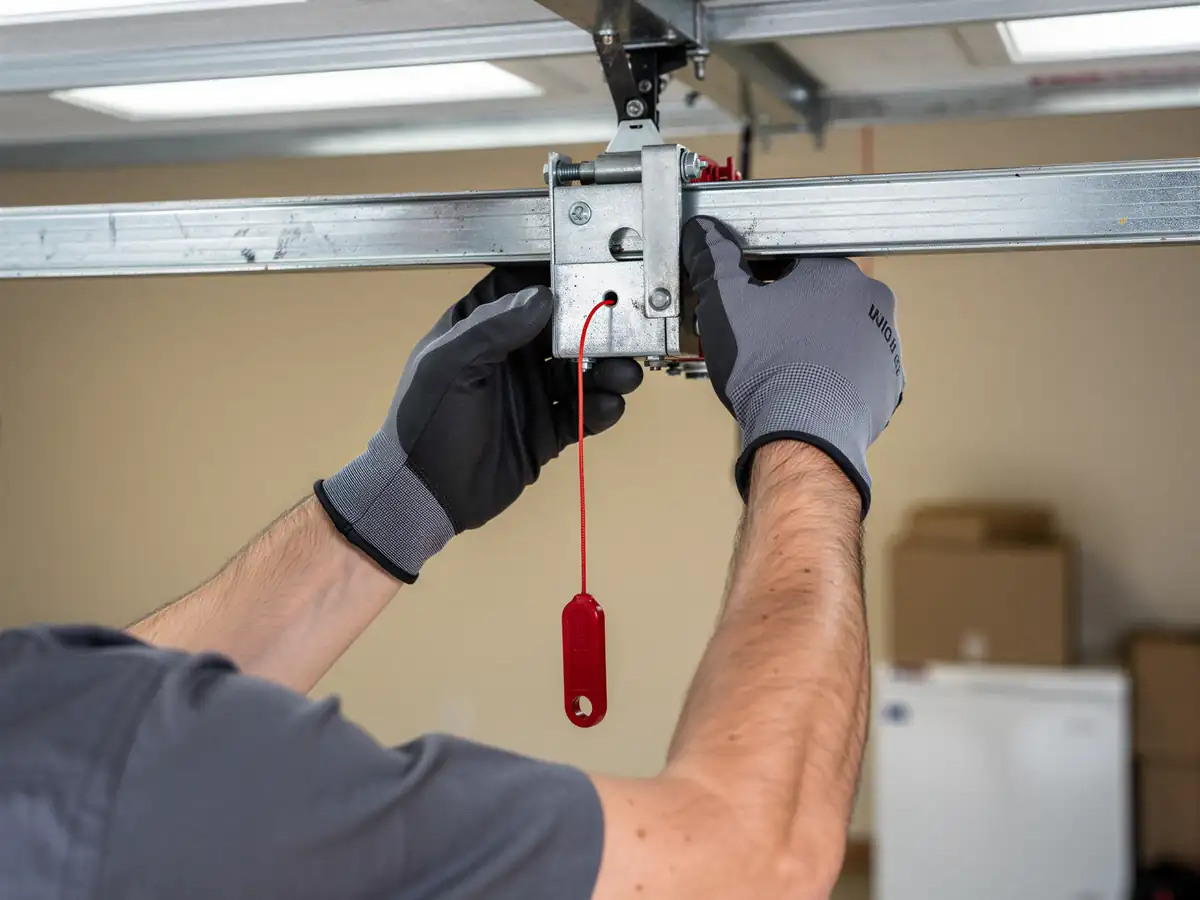
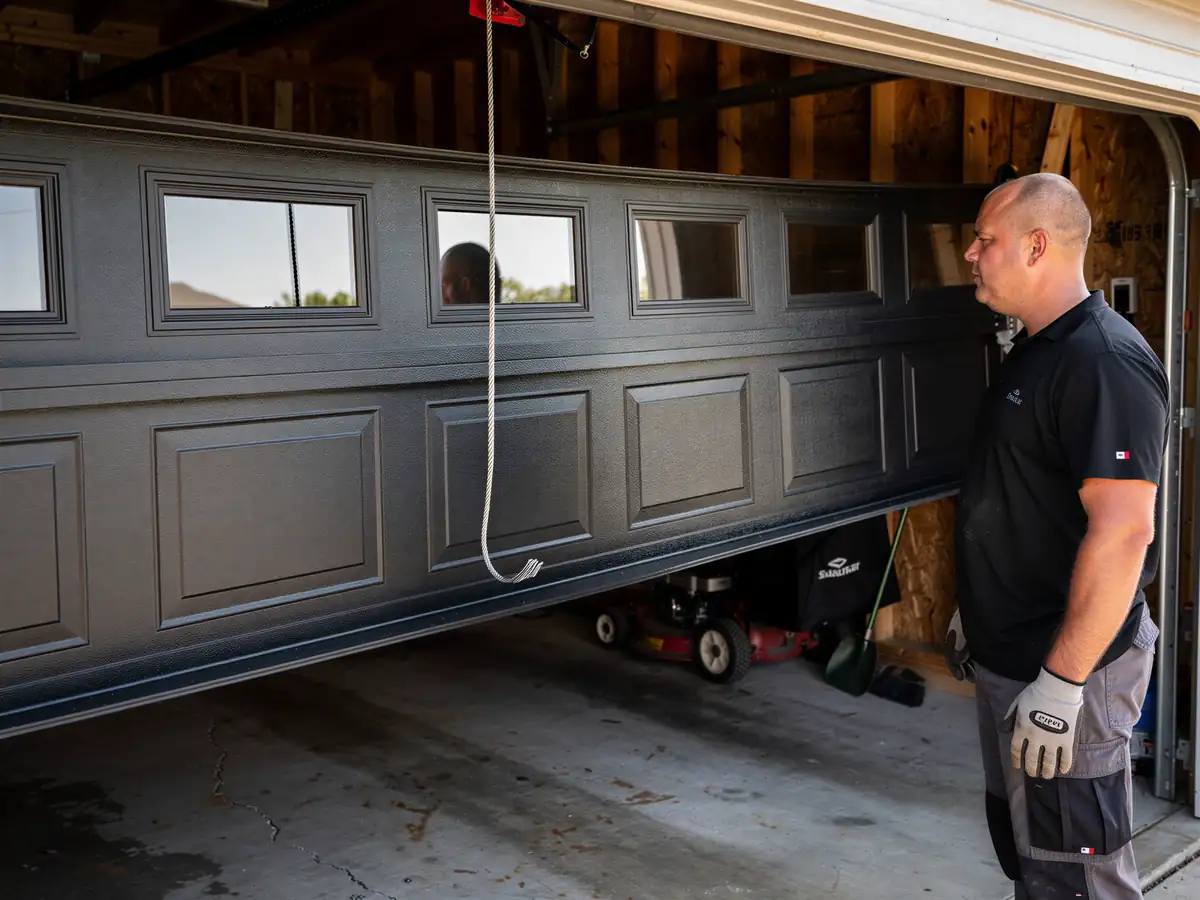
It'll keep opening right up until the spring lets go completely, usually under full tension, and that's the moment a cable can whip or a panel can drop hard on a track that's also original to the house. If your door feels heavier than it used to, or the opener strains on the way up, that's the spring giving you notice before it gives out. Waiting past that point doesn't save you a call - it just changes which parts need replacing when the call happens.
What Local Conditions Do
Aventura sits in a mild temperate band, and that matters more for what it rules out than what it causes. The cold-weather spring snap - steel contracting hard on a sub-freezing morning, snapping a spring that was already marginal - isn't really a local risk. Temperatures here don't swing that way, so you're not going to lose a spring to a cold front the way a house further north would.
That's good news with a catch. It means when a spring does go in Aventura, cold weather almost never gets to take the blame. What's actually happening is cycle fatigue - the spring has simply wound and unwound more times than its coil can take, and metal fatigue doesn't care what the thermometer says. Across the 1960s-70s stock that makes up most of this area, that fatigue clock has been running since the house was built. A spring rated for a certain number of cycles doesn't get a pass because the weather stayed mild. It just runs out on its own schedule.
The Situation
Across the 28 named areas that make up this stretch of 1960s-70s housing stock, the pattern repeats: original torsion springs, original track hardware, and a door that's been opened tens of thousands of times without anyone touching the spring until it fails. With 42,128 owner-occupied houses in the service area, that's a lot of hardware installed around the same window, aging out around the same window too.
Money is part of why people defer it. With a median household income of $59,989 across the service area, a spring swap competes with a dozen other repairs that feel more urgent, and a door that still opens doesn't feel urgent at all - until the spring breaks mid-cycle and the door won't move, or worse, drops. The honest math is that a scheduled spring replacement costs less and risks less than an emergency one, and on a house built in this era, there's a decent chance the spring due for replacement isn't the only original part on that door.
Where People Go Wrong
The most common mistake here is waiting for a cold snap that isn't coming
Aventura's mild climate means homeowners don't get the seasonal cue that tells someone up north to think about their springs - no hard freeze, no obvious trigger, so the spring just sits there aging past its cycle count with nobody paying attention.
The second mistake is assuming a spring that still looks fine is fine
Fatigue doesn't always show as rust or visible stretch, especially on a spring installed when the house was built in the early 1970s. It can look identical the day before it breaks.
One honest limitation
If your garage door's spring size isn't a common stock size - which happens more often on original hardware from this era than on newer doors - we sometimes have to special-order the exact match rather than swap in something close. That can add a day or two to the job. It's not the answer anyone wants mid-repair, but a mismatched spring is worse than a short wait.