What Local Conditions Do
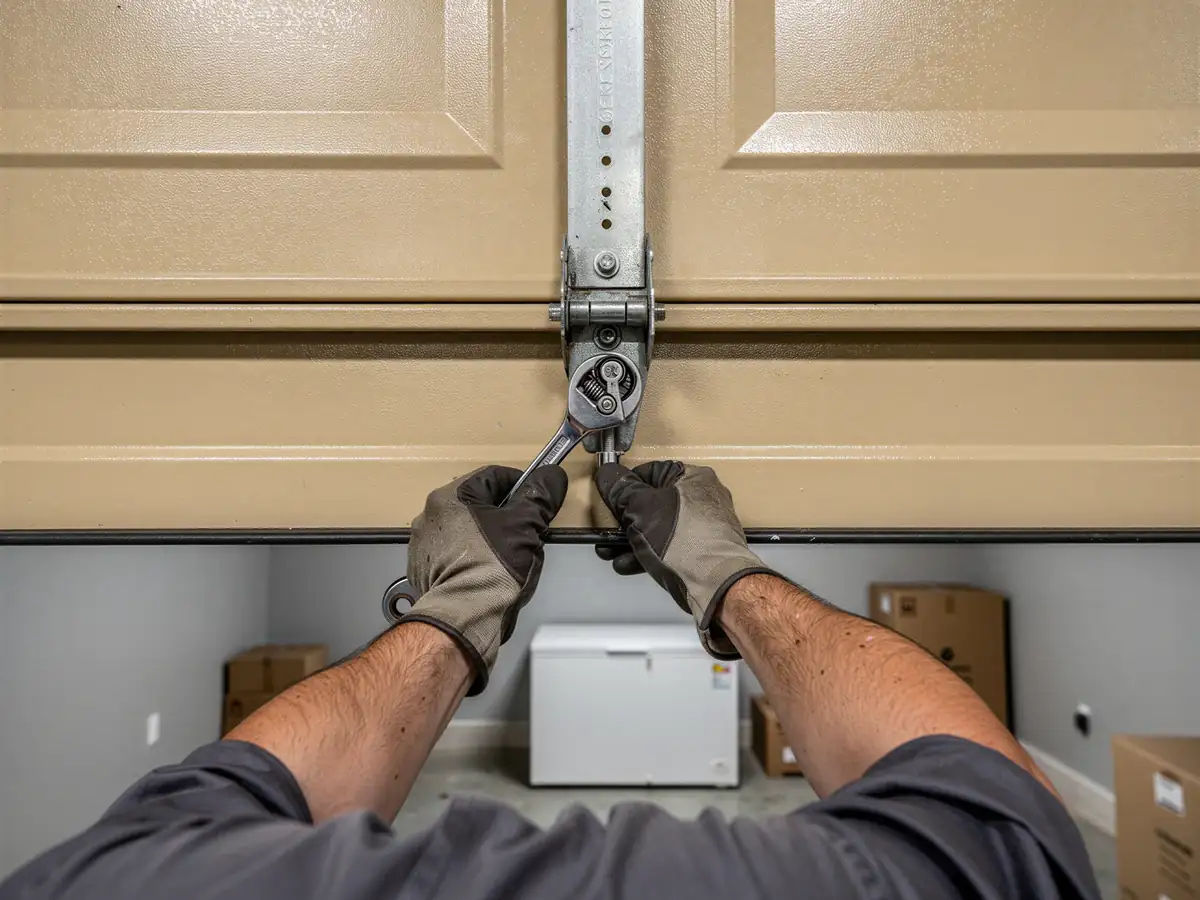
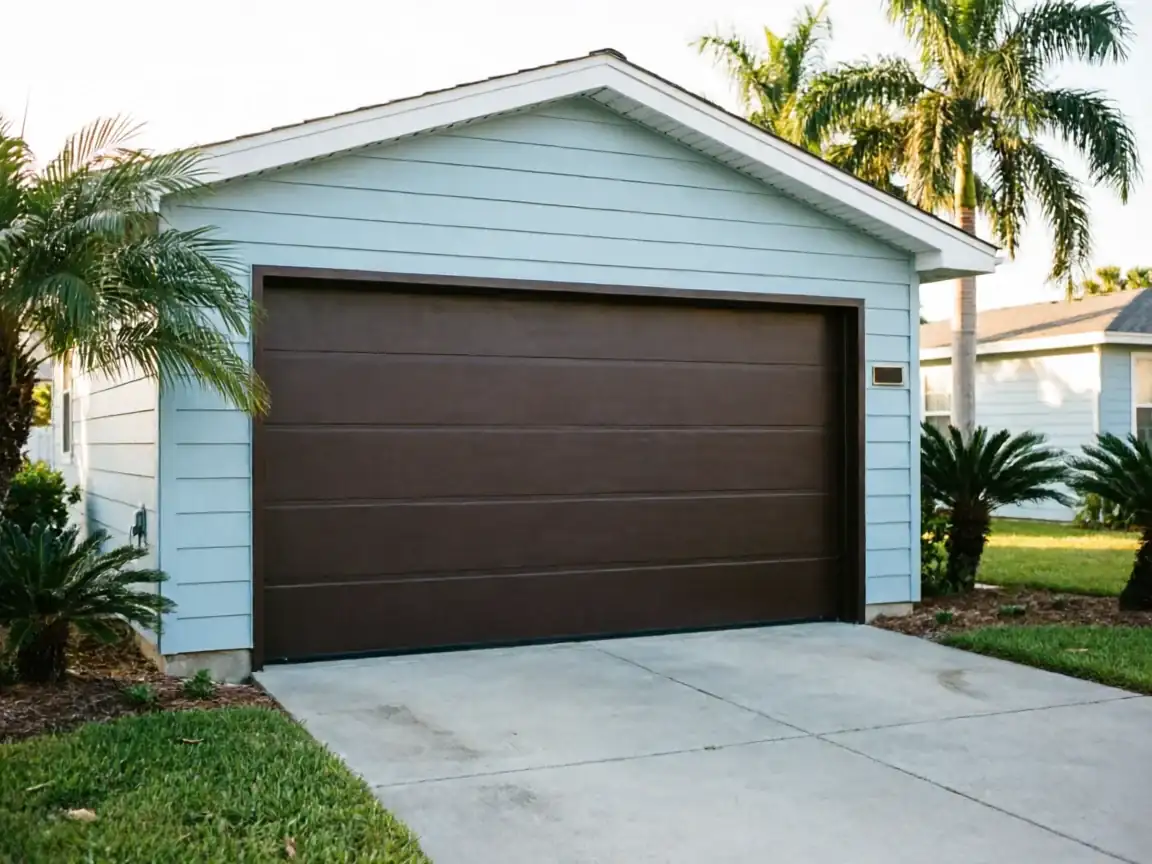
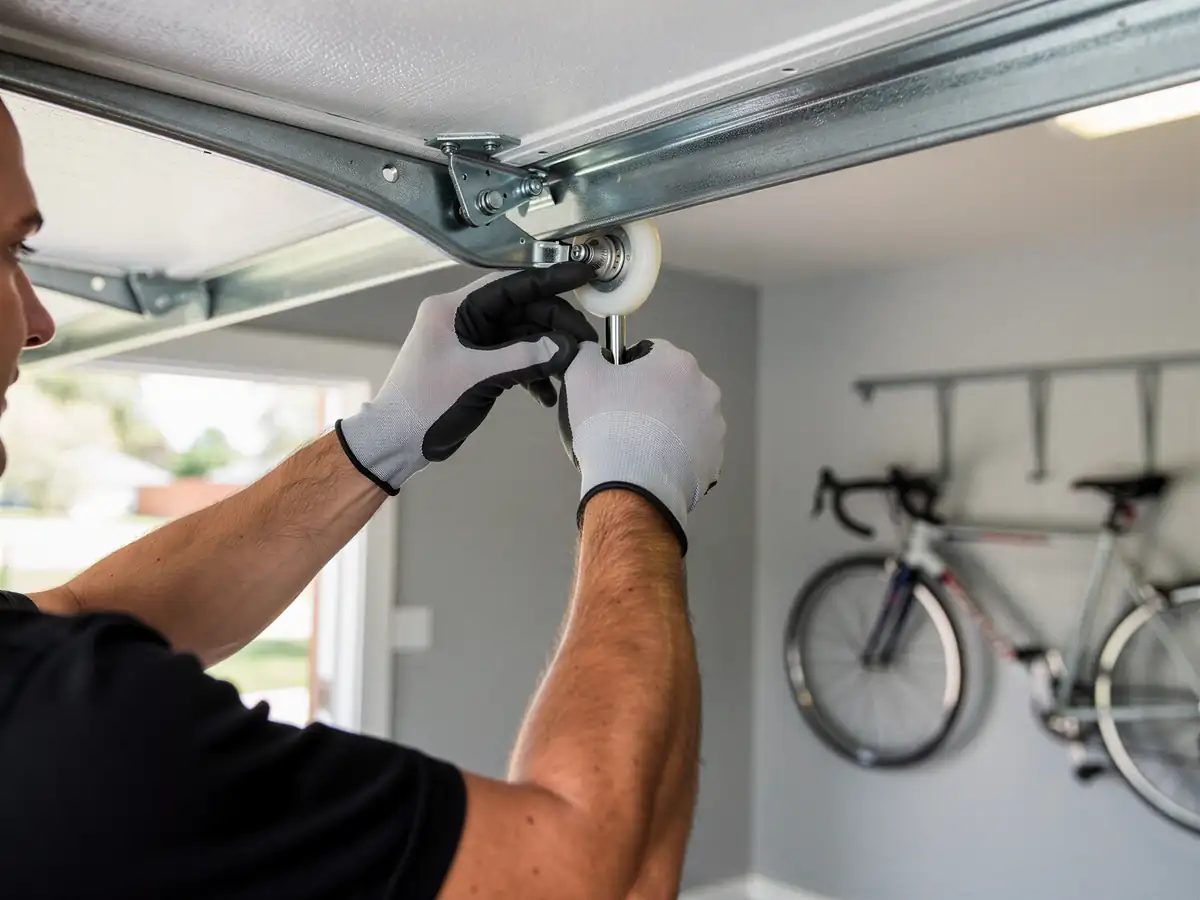
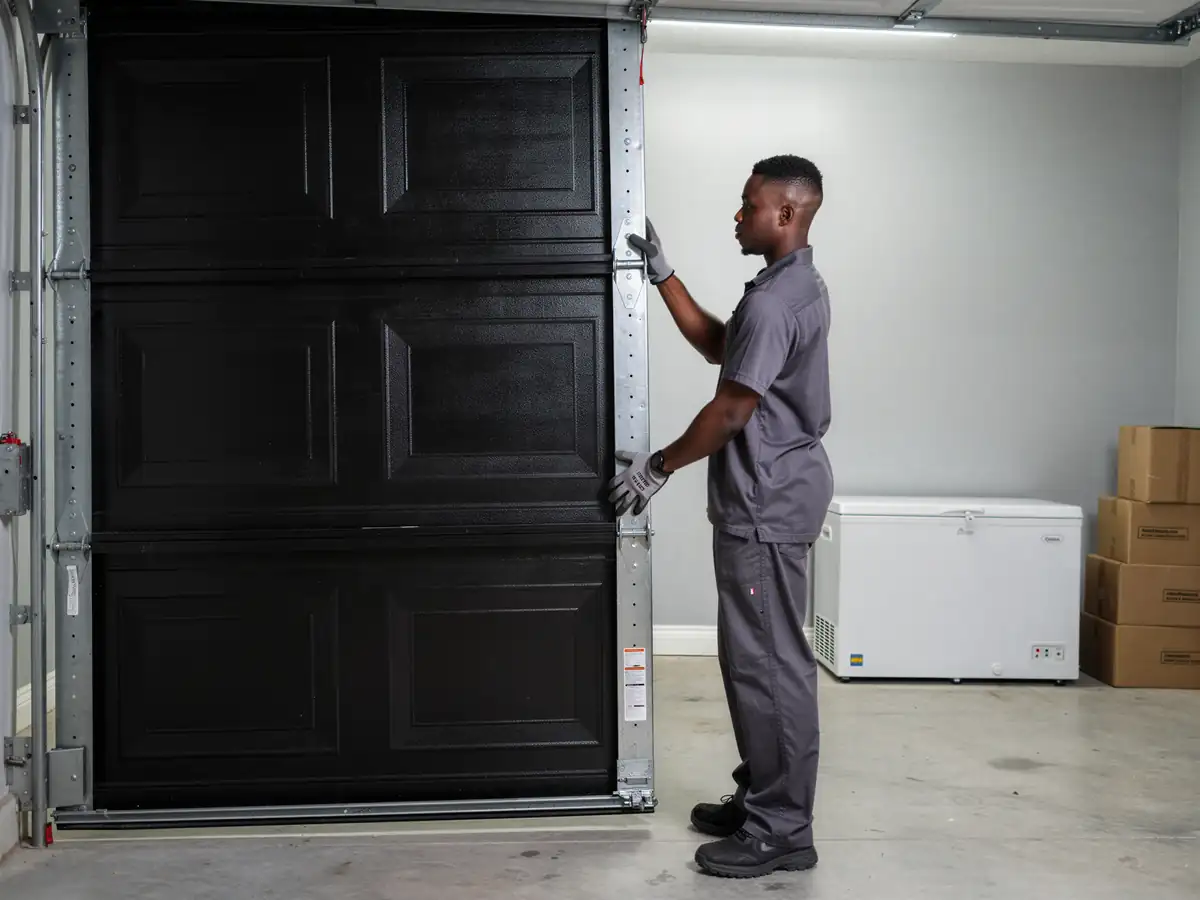
Aventura sits in a mild temperate band, so you're not fighting hard freezes that crack rubber overnight the way colder climates do. What you're fighting instead is humidity and sun cycling the seal material day after day, year after year, without a real cold snap to let it rest. On houses built in the 1960s and 70s, the original aluminum track and vinyl bottom seals weren't spec'd for that kind of constant warm-humid cycling - they dry out, shrink, and pull away from the slab edge faster than the door itself wears out. That's the pattern we see on original doors from that era: the panel's fine, the seal looks old because it is. There's no snow load or ice-dam issue to plan around here, which simplifies things, but it also means owners sometimes assume a mild climate means no maintenance at all. It doesn't. A seal that's been baking and softening for fifty summers still needs replacing on schedule, just for different reasons than a northern garage would.
The Situation
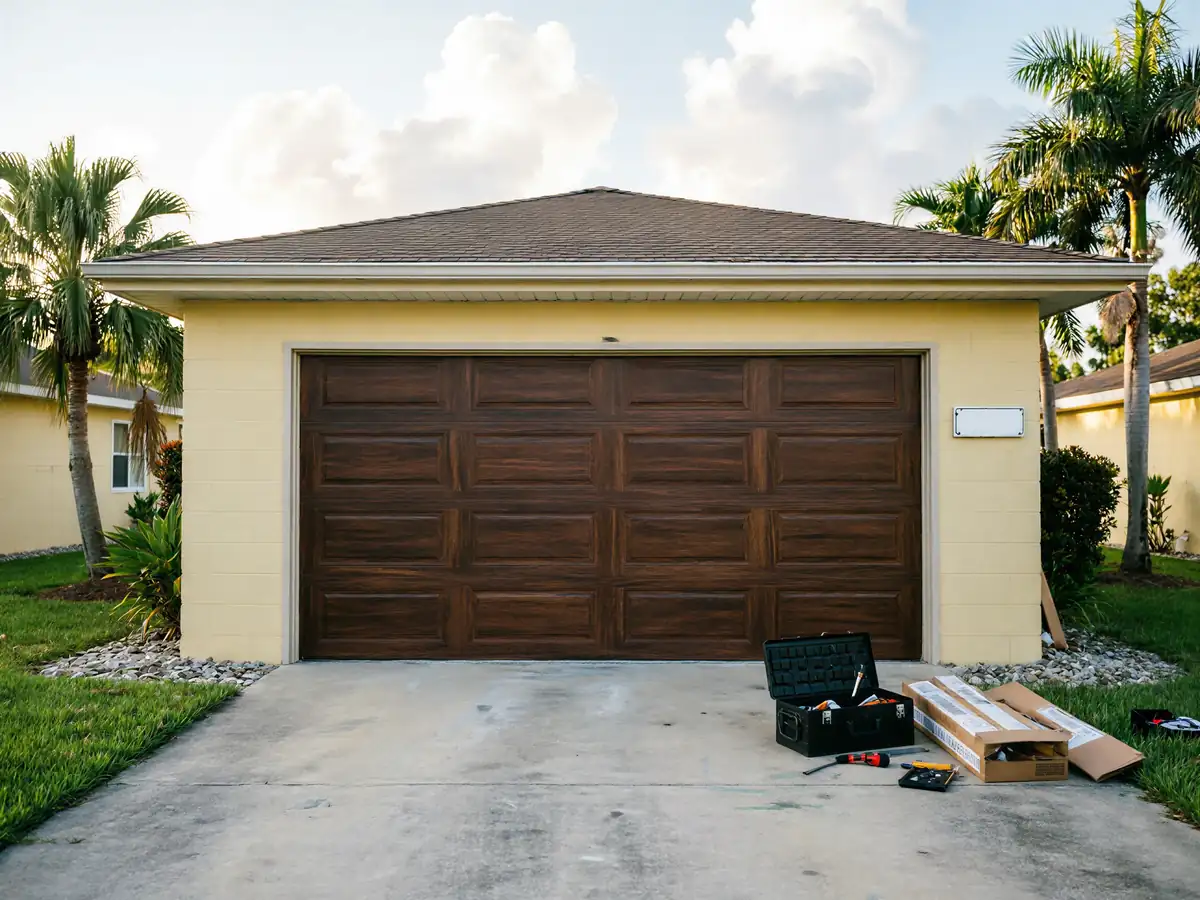
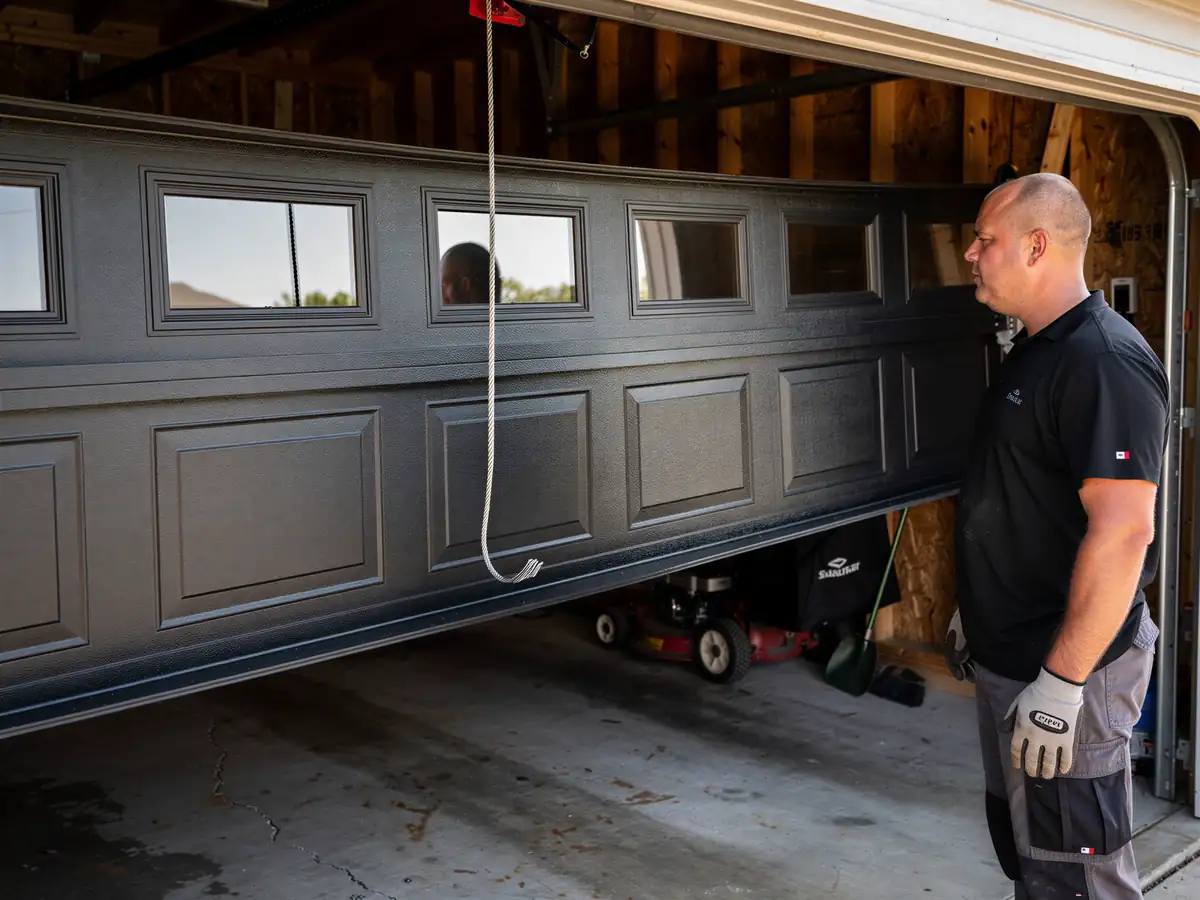
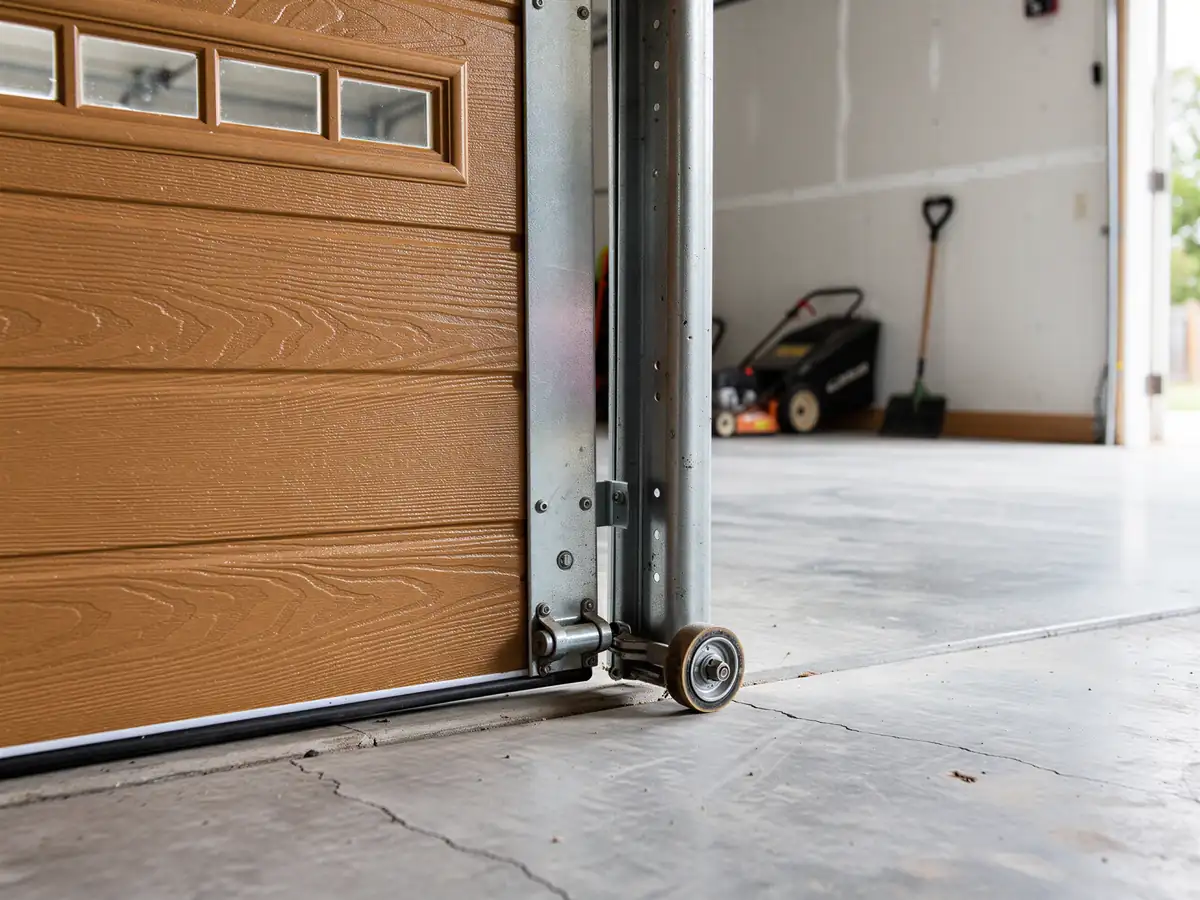
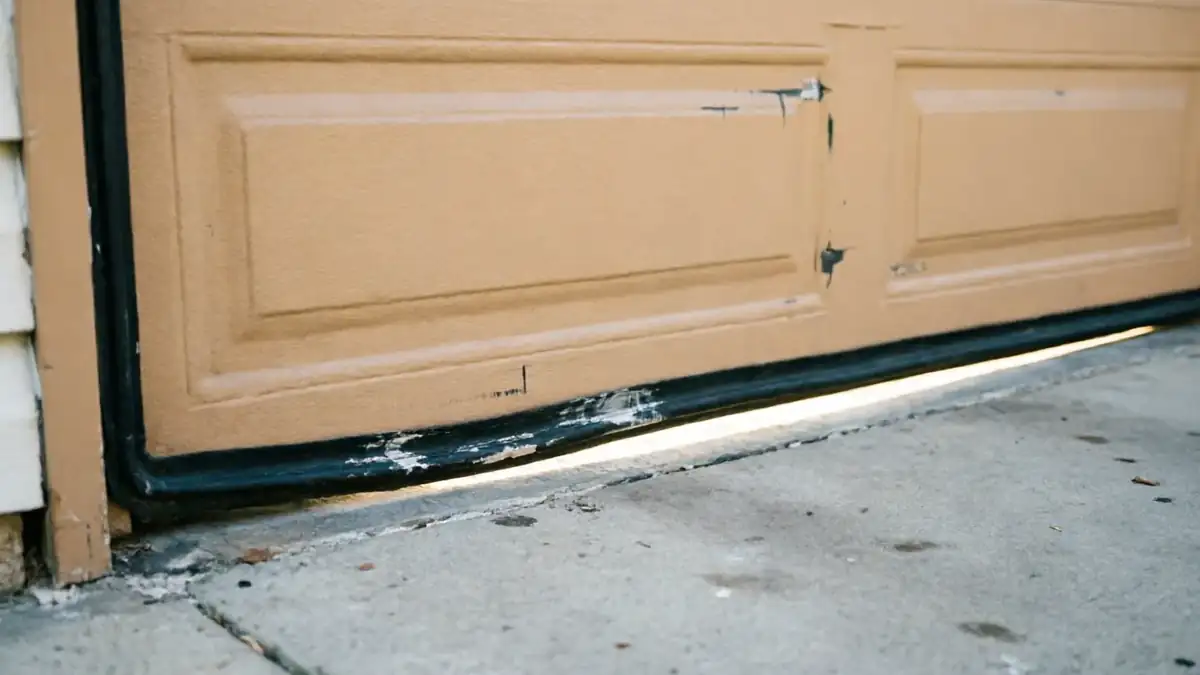
Across the area, most homes near Aventura were built in that 1953-to-1992 window, median right around 1971, and a good number of those original garage doors are still on their first or second weather seal. When a seal that age finally gives out, it's usually at the bottom astragal or at the top corner where the door meets the header - both spots where UV and humidity hit hardest and where the original vinyl has had the longest run without replacement. Draughts show up as a line of daylight at the floor, or a whistle around the top seal on a windy day coming off the water. Neither one is an emergency. Both are worth fixing before the gap lets in enough moisture to start affecting the bottom panel edge, which on an older steel door can rust from the inside out if it sits wet long enough. That's the real cost of ignoring it - not comfort, but the panel underneath.