Leaving It Alone
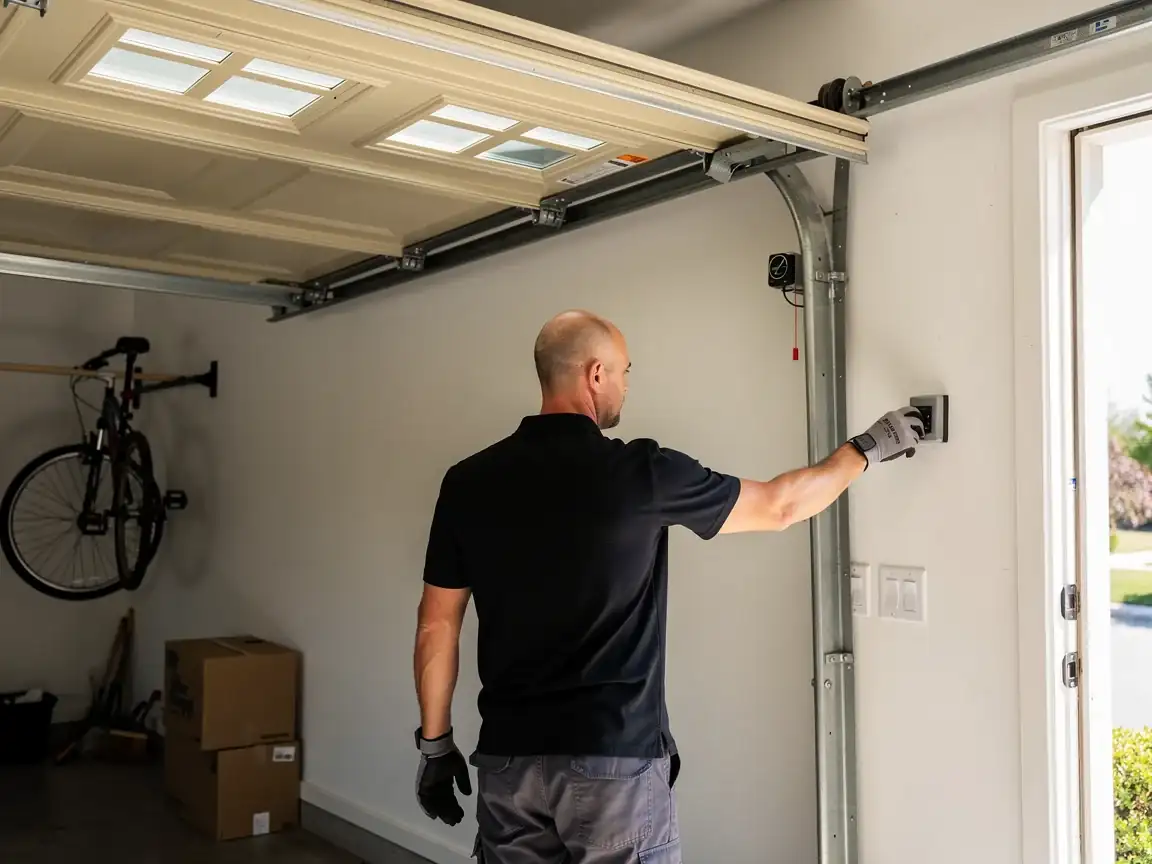
When the lights cut out, the instinct is to go stand in the garage and hit the wall button a few times to see if anything happens
Don't bother - if the opener has no power, the button won't do anything, and mashing it doesn't help. The door itself is a separate mechanism from the opener. Springs, cables, and tracks don't care whether the house has electricity. What stops working is the motor that pulls the trolley along the rail. That's it.
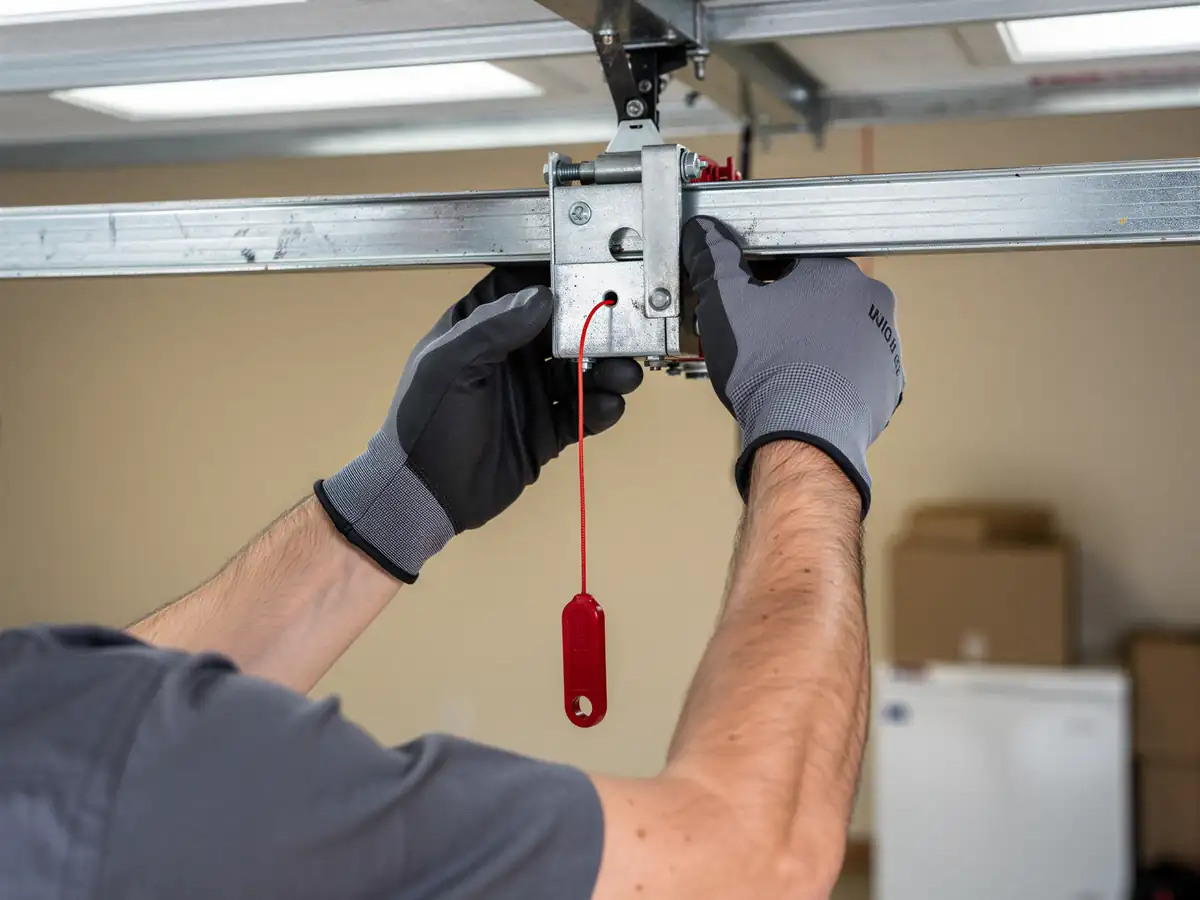
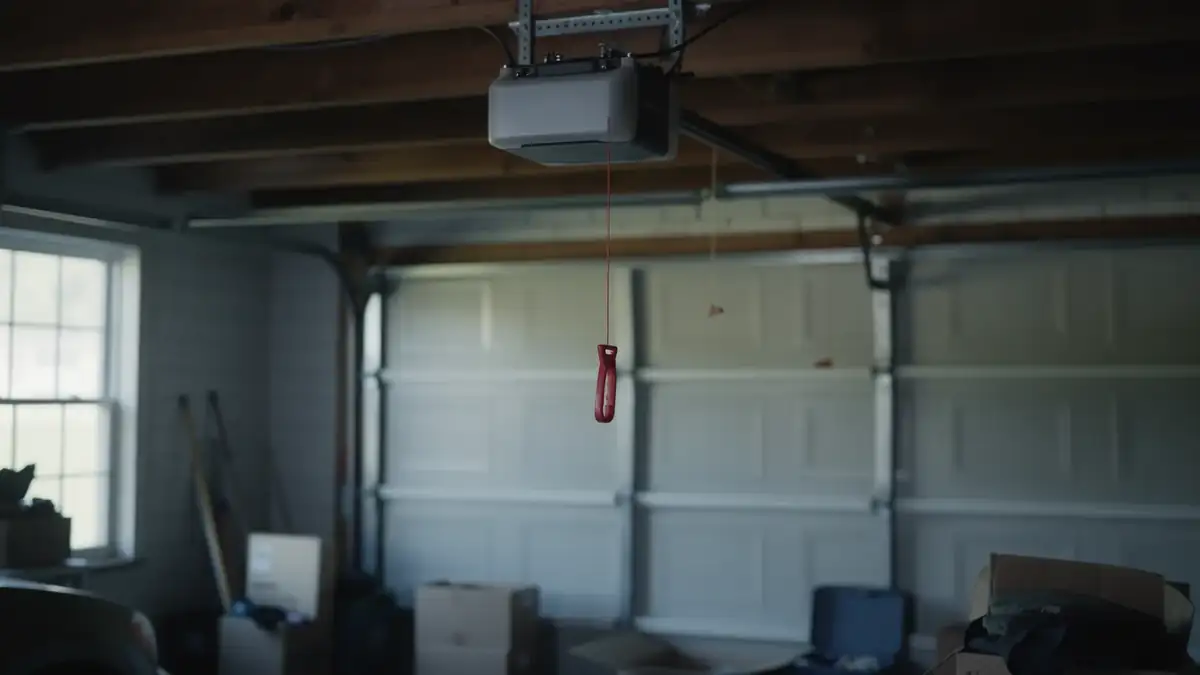
If you need the car out and the power's down, the right move is the manual release
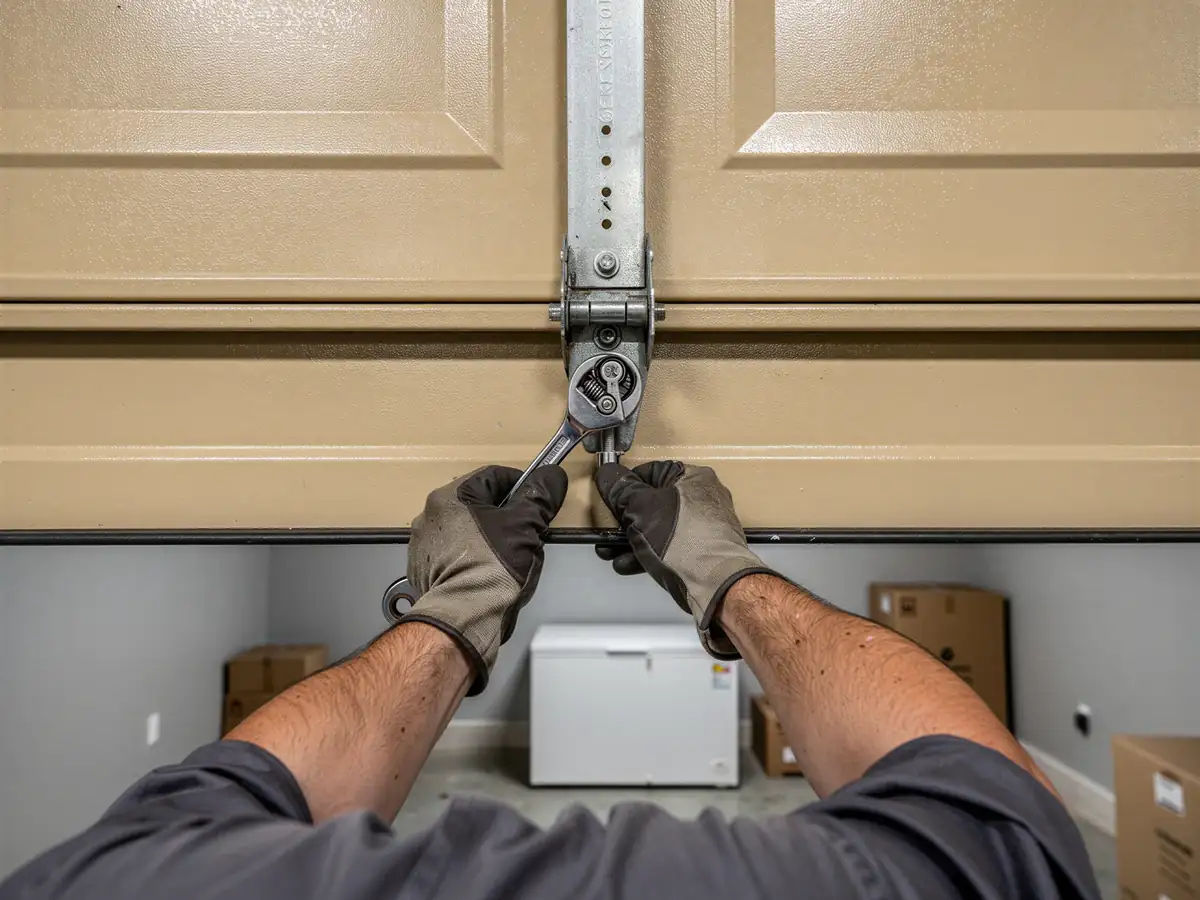
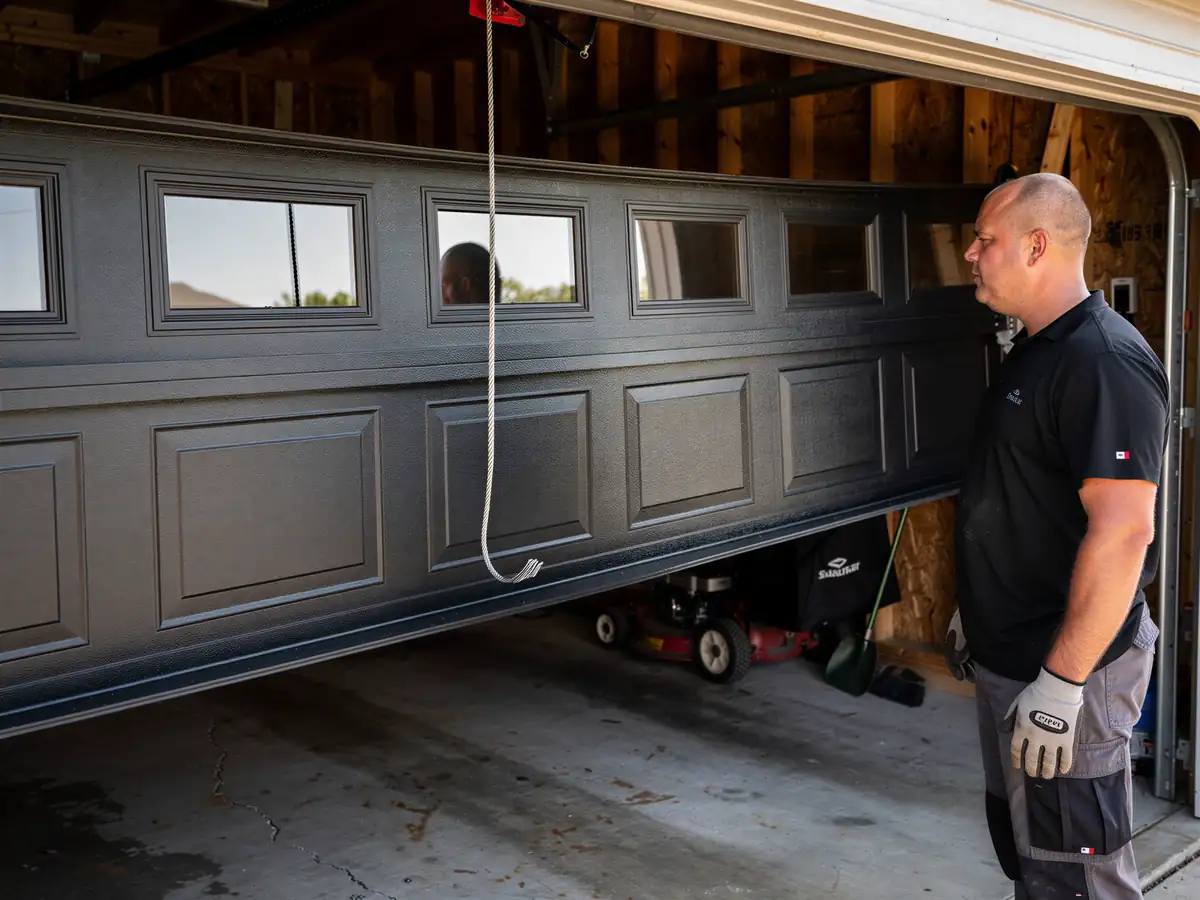
The red cord hanging from the trolley. Pull it, and you disconnect the opener from the door so you can lift the door by hand. On a properly balanced door this takes one hand, not two. If it takes both arms and your back, the springs are off, and that's a separate problem from the power being out.
The mistake worth avoiding is forcing anything electrical while the power's unstable
Flickering power during a brownout can do odd things to an opener's logic board, and running it through a cycle while voltage is sagging isn't worth the risk to a board you'd rather not replace.
What Local Conditions Do
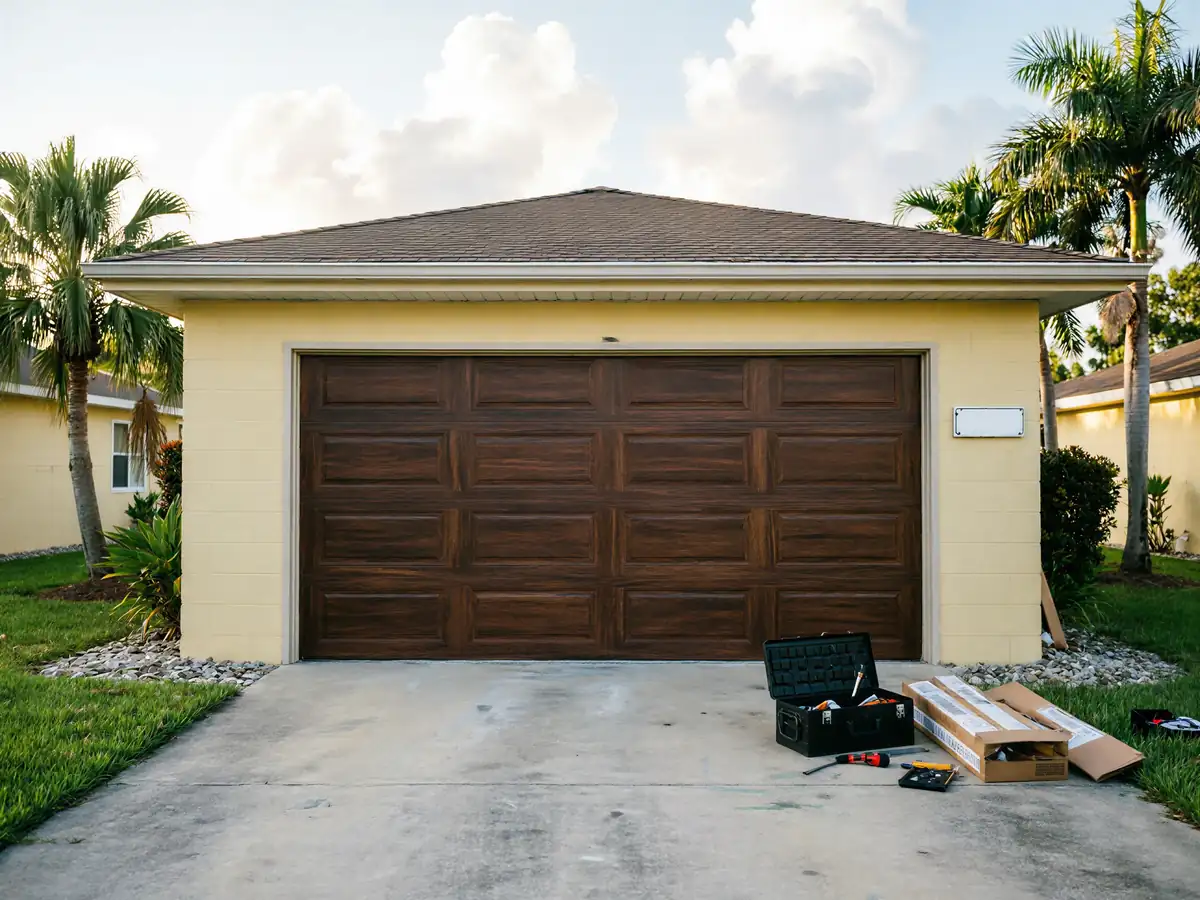
Most of the housing across Aventura's 28 named areas went up between 1953 and 1992, with the median sitting around 1971 - old enough that a lot of openers out there are original units or first replacements, installed well before battery backup was a standard feature on anything but the premium models. That matters specifically here: a house built in that window has had at least one, often two, opener replacements by now, and whoever did the swap may not have upgraded to a unit with a backup battery unless it was asked for.
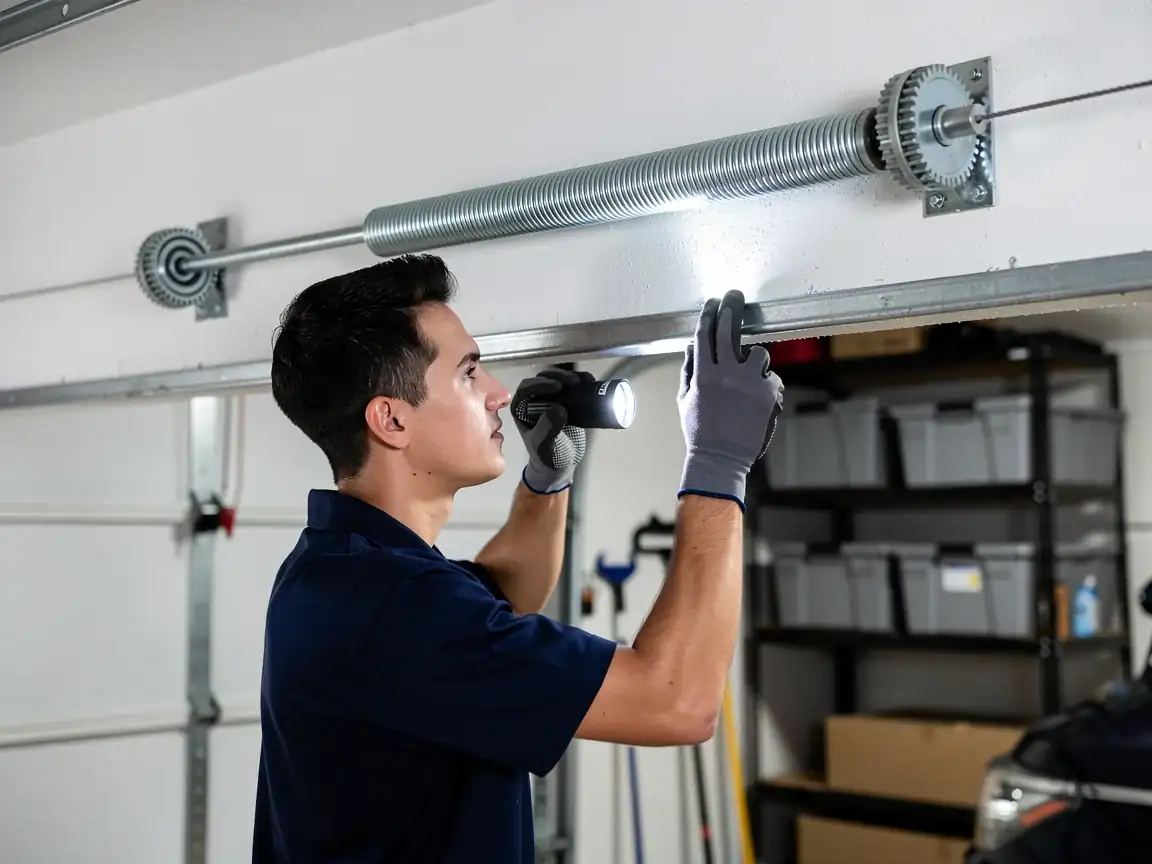
Aventura sits in a mild temperate band, so the usual excuse you'd hear from a contractor further north - frozen gears, cracked nylon from hard freezes, grease gone stiff in cold - doesn't apply here. The opener itself isn't fighting the weather. What it's fighting is age and duty cycle. A motor built in the 1990s or early 2000s wasn't engineered with the same lifespan expectations as current units, and heavy daily use over two or three decades wears the drive gear and the circuit board regardless of climate.
The Situation
Across the service area there are 164,090 households and 42,128 owner-occupied houses, and a meaningful share of those sit on opener hardware that predates battery backup entirely. When the power drops, those households are down to the manual release until the power comes back - no backup kicks in because there isn't one to kick in.
At a median household income of $59,989, replacing an opener outright to get battery backup is a real budget decision, not a reflex upgrade, and we don't push it as one. For a lot of houses the honest answer is: keep the current opener running, know where the manual release is, and treat backup battery as something to add at the next opener replacement rather than a mid-life retrofit, since retrofitting a battery module onto an older motor isn't something every model supports.
We don't carry parts for every discontinued opener model on the shelf - lead times on obsolete drive gears or circuit boards can run longer than anyone wants, and sometimes replacement is the faster and cheaper path than chasing a part for a 20-year-old motor.
Where People Go Wrong
The most common mistake is treating the opener and the door as one thing
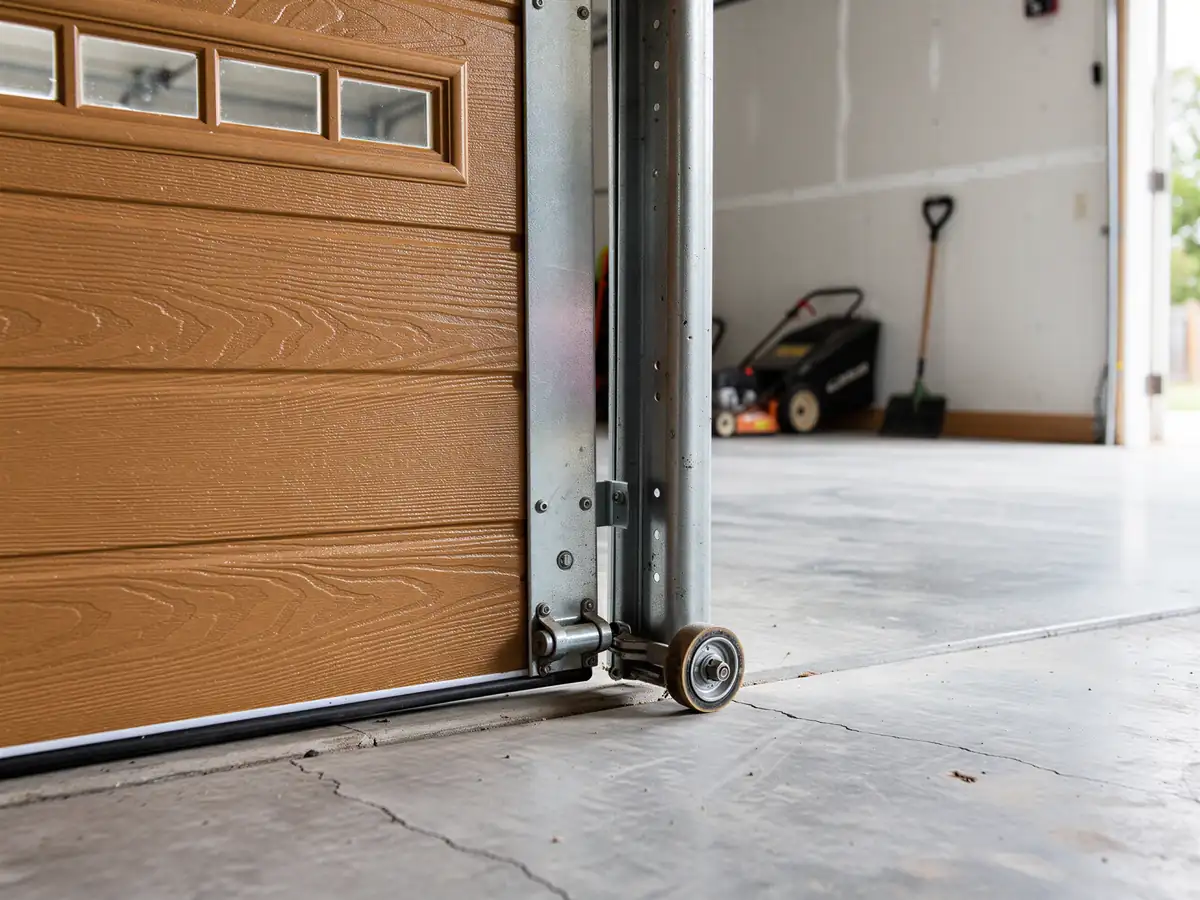
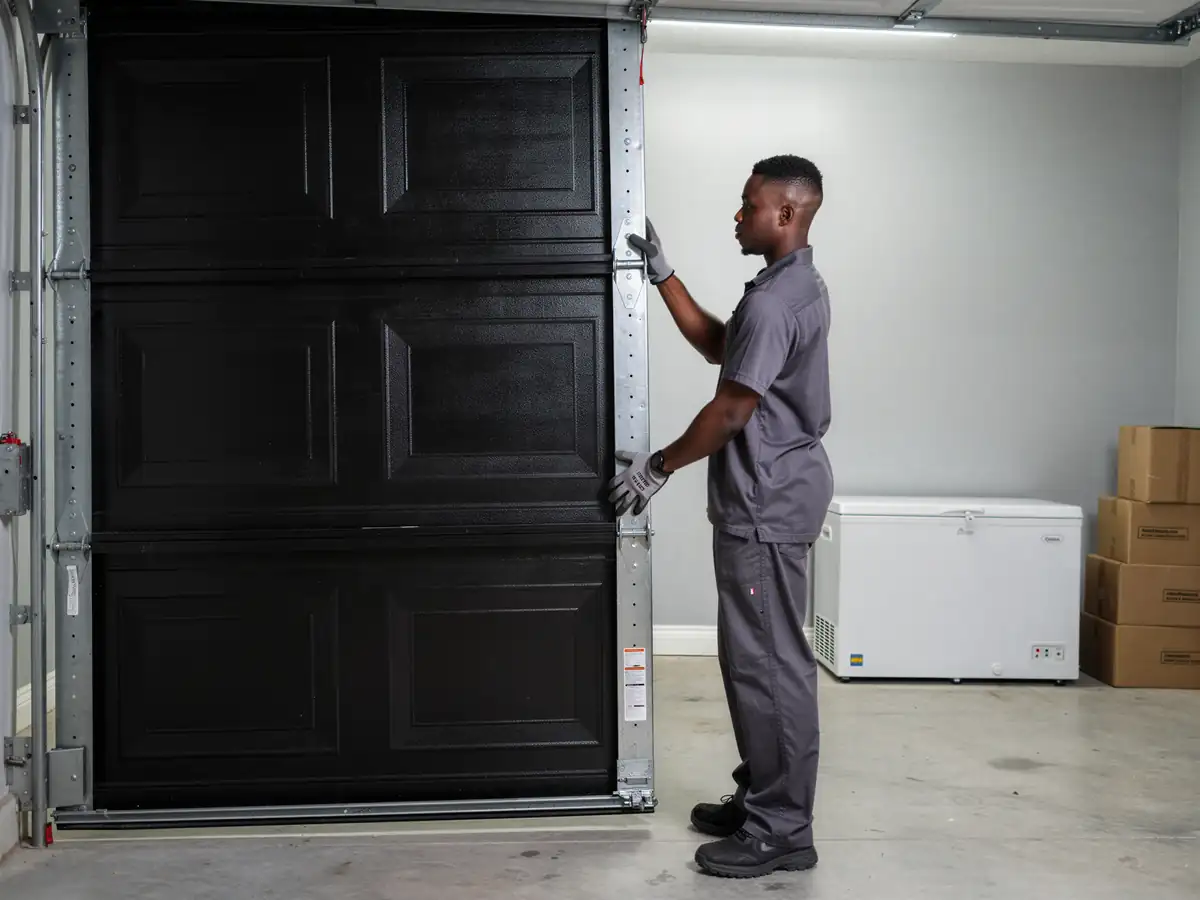
They're not. A dead opener during a power cut doesn't mean the door is broken - it means the motor has no power, and the manual release exists for exactly that reason. People who don't know where their release cord is, or haven't pulled it in years, sometimes force the door off its track trying to muscle it open from the bottom instead of disengaging the trolley first.
The second mistake is assuming a generator solves everything
Running an opener off a portable generator works fine electrically, but if the house wiring and the opener circuit weren't set up with that in mind, you can end up tripping breakers or running the motor on uneven voltage, which is harder on an old drive gear than just using the manual release until grid power's back.
The third is waiting until a power cut to find out the opener's circuit board is already failing
Intermittent operation on normal power is usually the warning sign, and it shows up weeks before an outage makes it obvious.