How Long You Are Without the Door
A full install isn't a same-hour swap
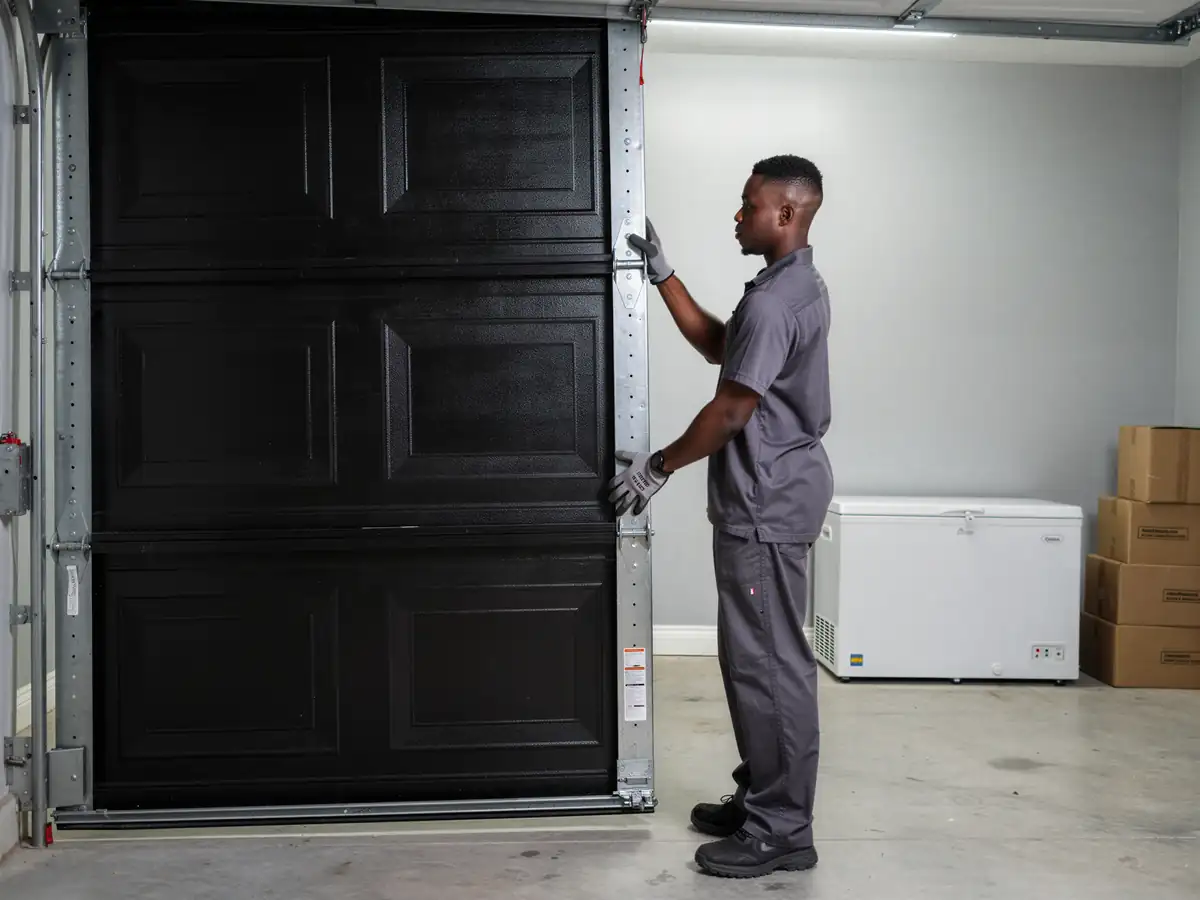
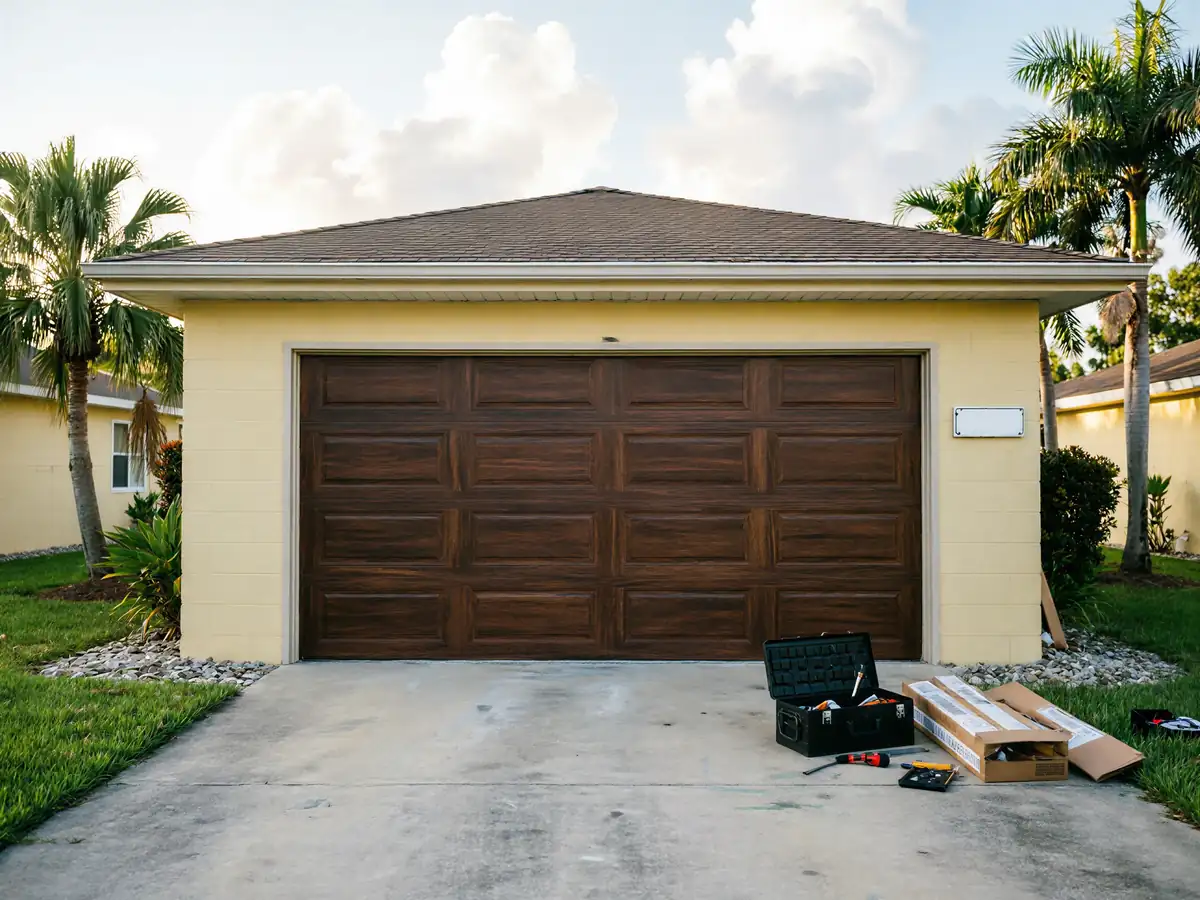
Once the old door and track come down, you're looking at an open bay until the new panels, hardware, and opener are set and balanced - that's true whether the house is a 1960s one-story or a newer build. We don't have a fixed hours-on-site figure to quote you here, and giving you a made-up one would be worse than saying nothing. What we can tell you is that most of the delay isn't labor, it's matching: homes in this part of the service area were built between 1953 and 1992, with a median around 1971, so a lot of original openings run non-standard widths and track clearances that current stock doors don't drop into without adjustment. That measuring and fitting step is where time actually goes. If you're doing this because the old door is already stuck open or down, plan for that bay to sit uncovered for a stretch - tarp it or block it off rather than leaving it wide open overnight.
One honest limitation
If your opening is badly out of square from decades of settling, we may need a second visit once we see what the old frame is hiding. We'd rather tell you that up front than promise a one-trip job and miss.
Can You Do This Yourself
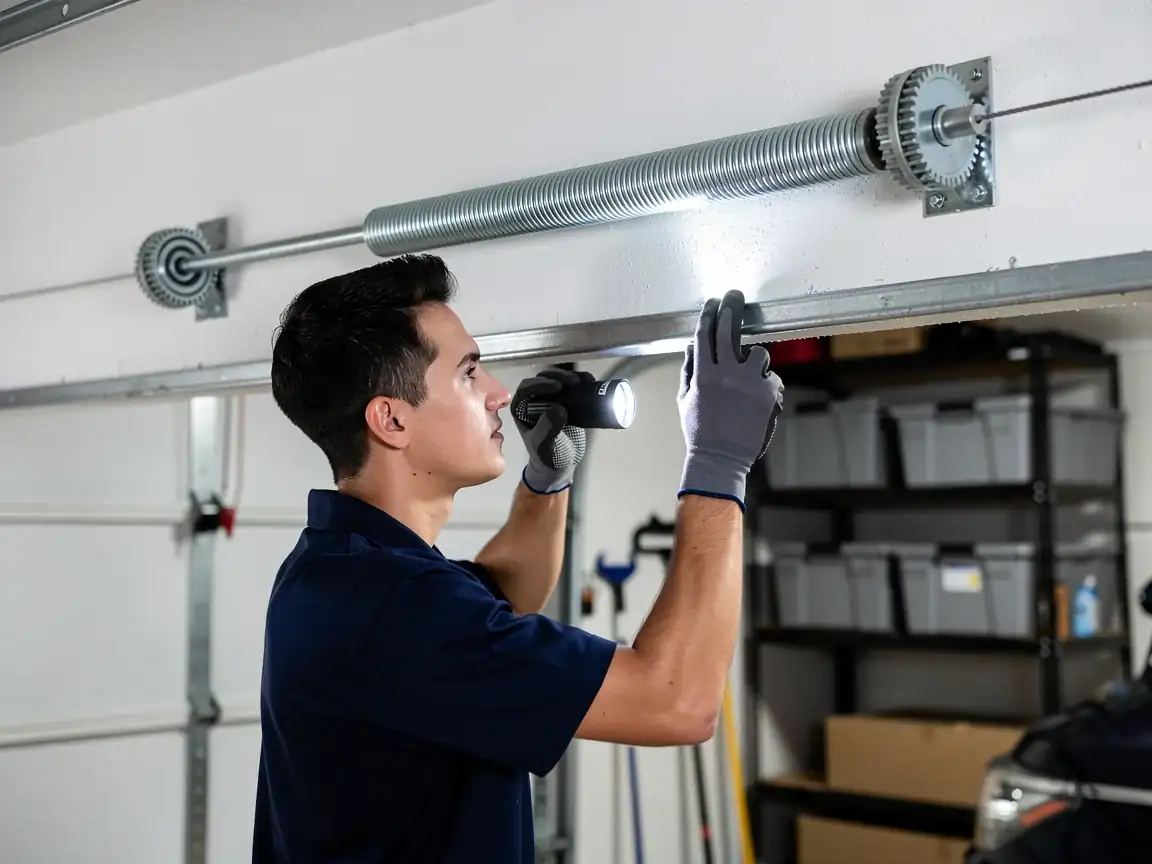
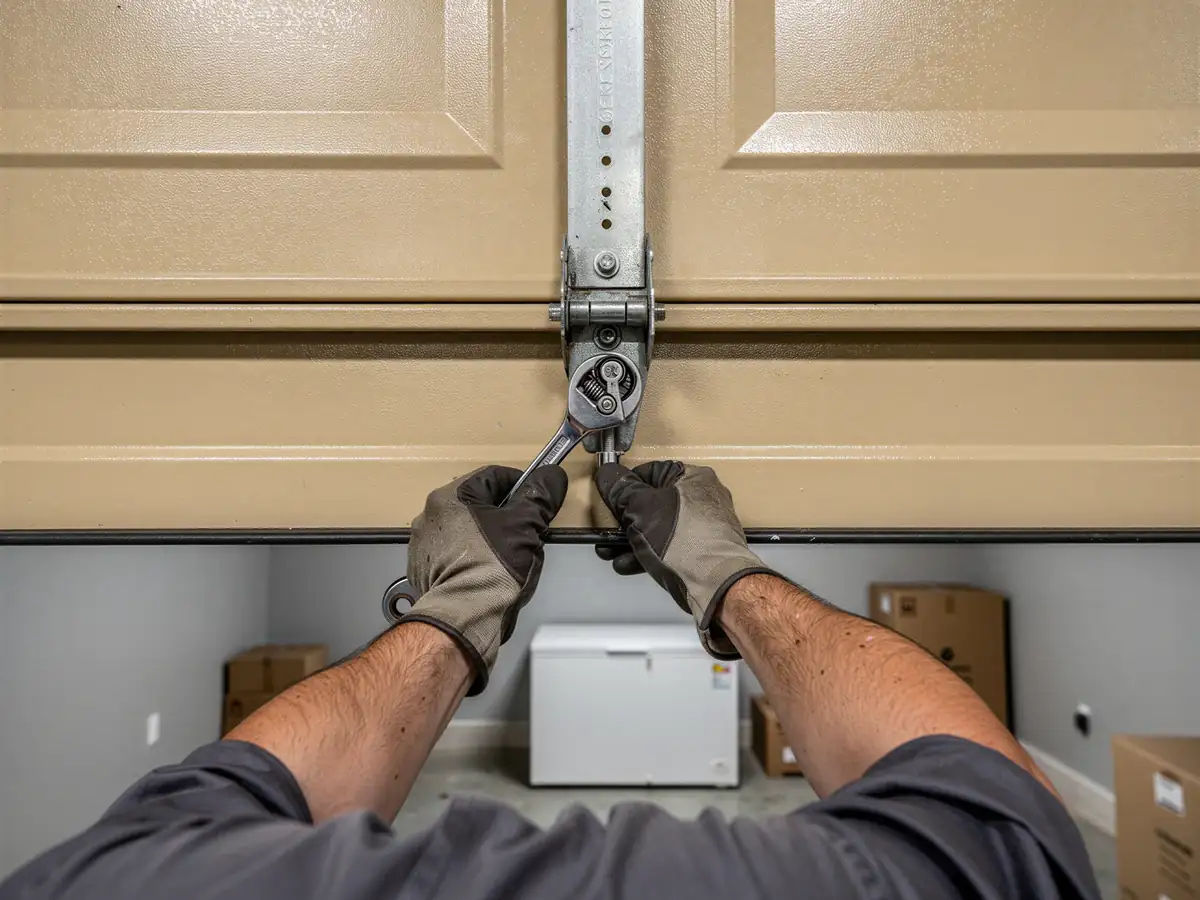
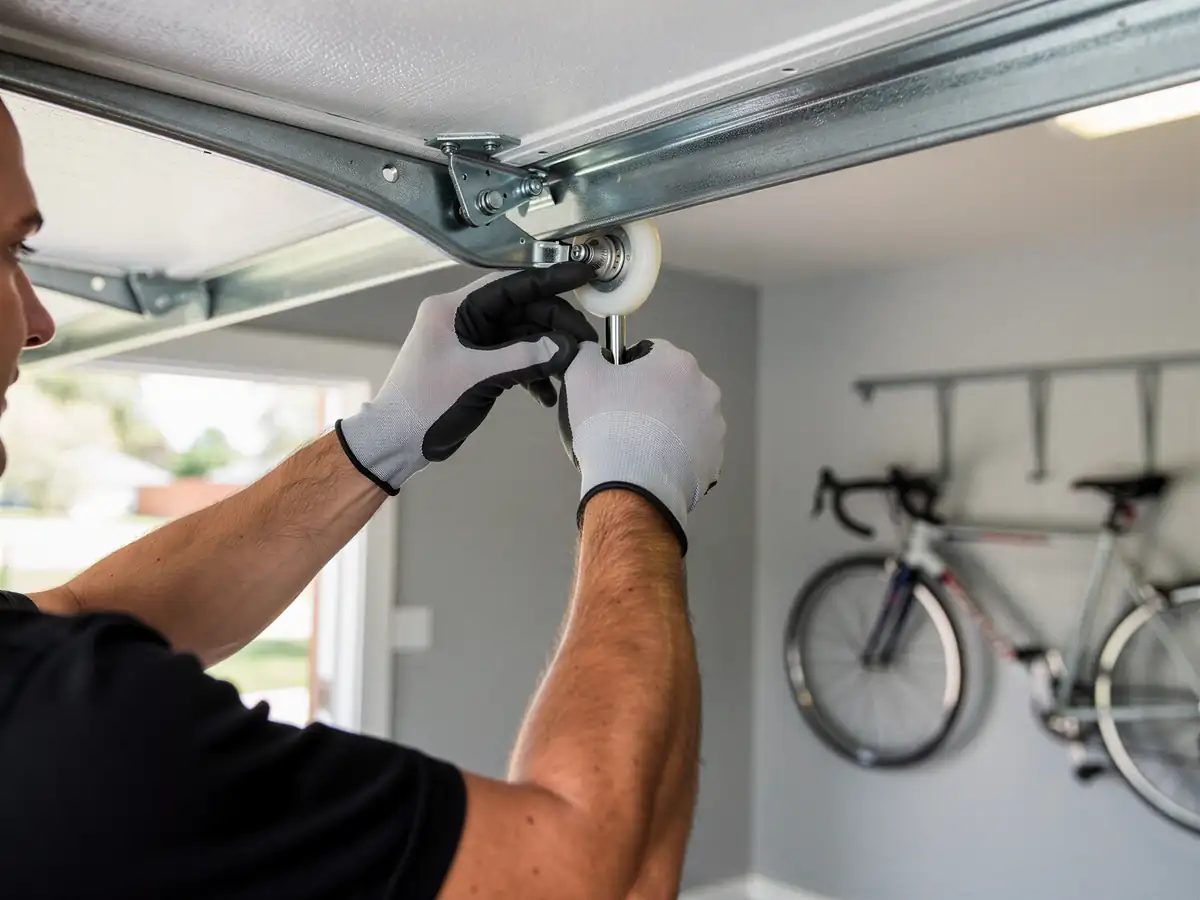
Some of it, yes. Swapping weatherstripping, replacing rollers, even hanging a lightweight single door with a helper and the right clamps - that's within reach for someone comfortable with a drill and a level. A full install with a torsion spring system is a different animal. The spring is wound under enough tension to break bones or crack a skull if it slips off the winding bar, and that risk doesn't change based on which house you're standing in front of.
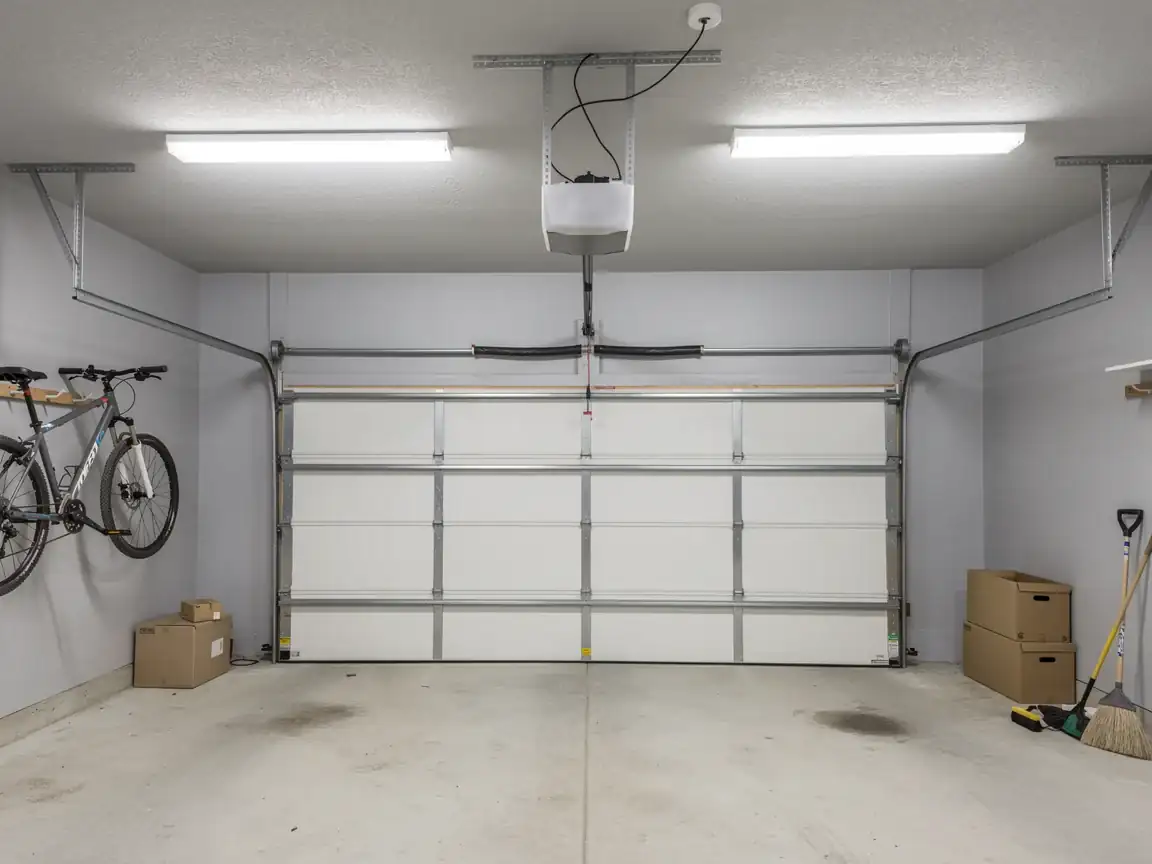
What's worth doing yourself: pulling the permit paperwork together, picking the door style and insulation rating ahead of time, clearing the garage so the crew isn't working around stored boxes and a second car. What's not worth doing yourself: setting the torsion spring, squaring a track system against an opening that's shifted over fifty-plus years, or wiring a new opener into an old circuit without checking the breaker first. If you've got a straightforward opening and a lightweight door, DIY is a real option. If you're not sure which category you're in, that uncertainty is itself the answer.
What Causes It Around Here
The reason so many Aventura households end up replacing a door rather than patching it traces straight back to when the house was built. Housing stock here runs 1953 to 1992, median around 1971, and that's consistent across the roughly 28 named areas that make up this stretch of the county - Sunny Isles Beach, Ojus, and Ives Estates among the closer ones. A door and track system installed in the 1960s or 70s was built to specs nobody manufactures hardware for anymore: narrower rail profiles, single-layer steel or wood panels, no vapor barrier behind the skin. Once the original spring or track wears out, you're not finding a drop-in replacement part - you're replacing the whole unit.
Climate plays a smaller but real role. This is a mild temperate band, so you're not dealing with freeze-thaw cracking the way colder regions do. But that steady warmth and humidity work on uninsulated wood and bare steel over decades - panels bow, seams separate, non-galvanized hardware rusts at the hinges and track brackets. None of that happens overnight. It's the slow result of fifty-plus years of a house doing exactly what houses this age do.
How It Shows Up
On a house from this era, the signs are usually mechanical before they're cosmetic
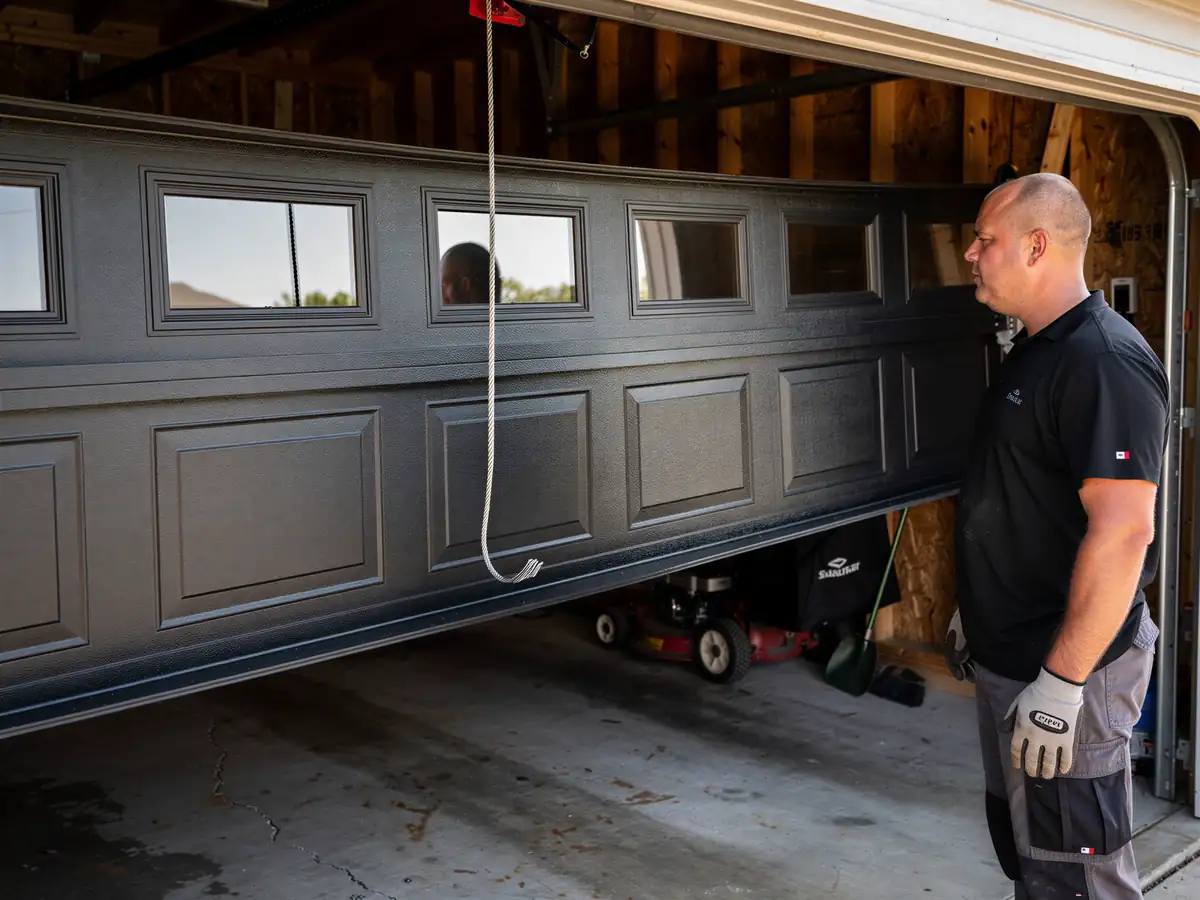
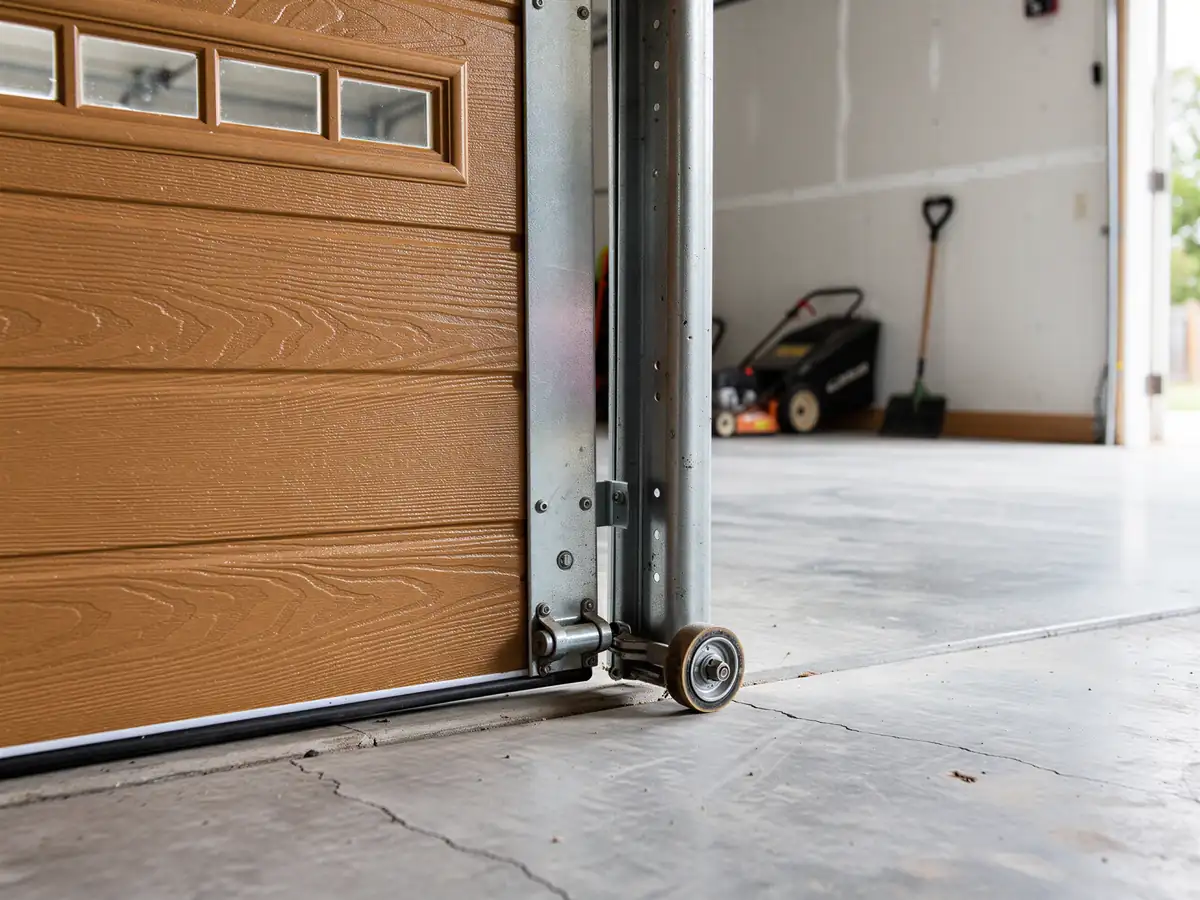
The door starts dragging on one side because the track was leveled for an opening that's since shifted slightly - common in a service area with this much older stock. Panels that still look fine from the driveway can be delaminating from the inside, especially on original wood or early steel doors never built with a thermal break. You'll notice the opener straining harder to lift a door that used to move easily; that's often the door's actual weight changing as old insulation sags or panels absorb moisture over the years, not an opener problem at all.
Across the roughly 42,128 owner-occupied houses in this service area, the same pattern repeats
A door that's outlived its hardware, held together with replacement parts that don't quite match, finally reaching the point where another patch doesn't make sense. With median household income here at $59,989, we understand most owners want to run a door as long as it's safe and worth fixing - we'll tell you straight when that math has flipped to install rather than repair.
- 42,128 owner-occupied