What Local Conditions Do
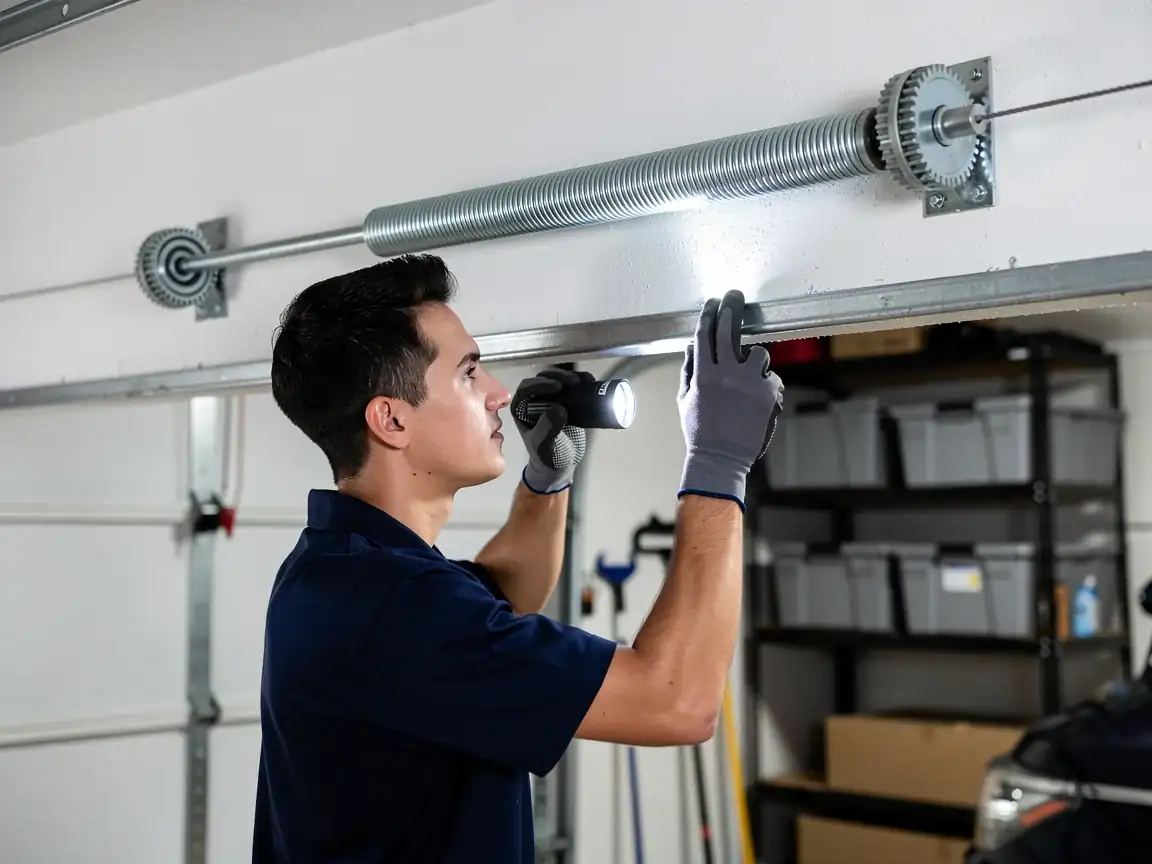
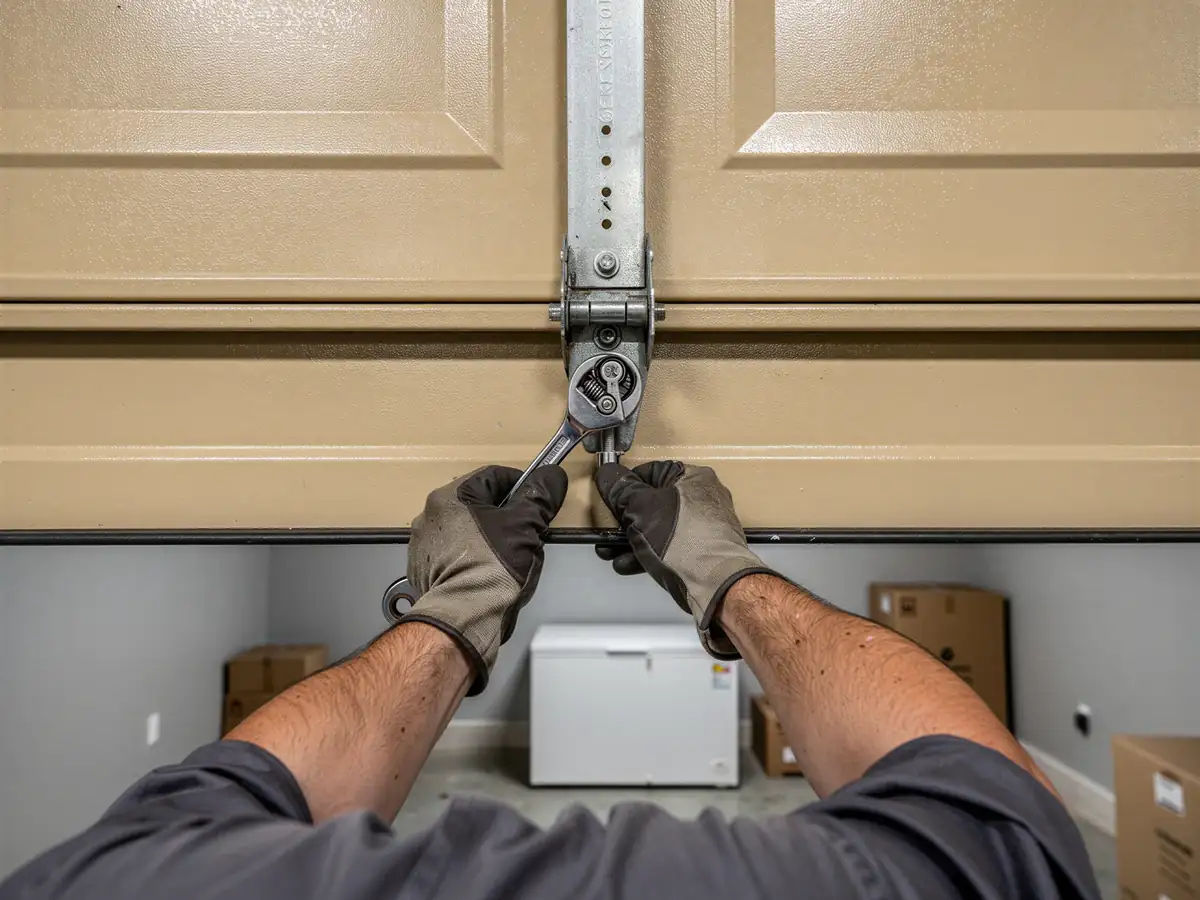
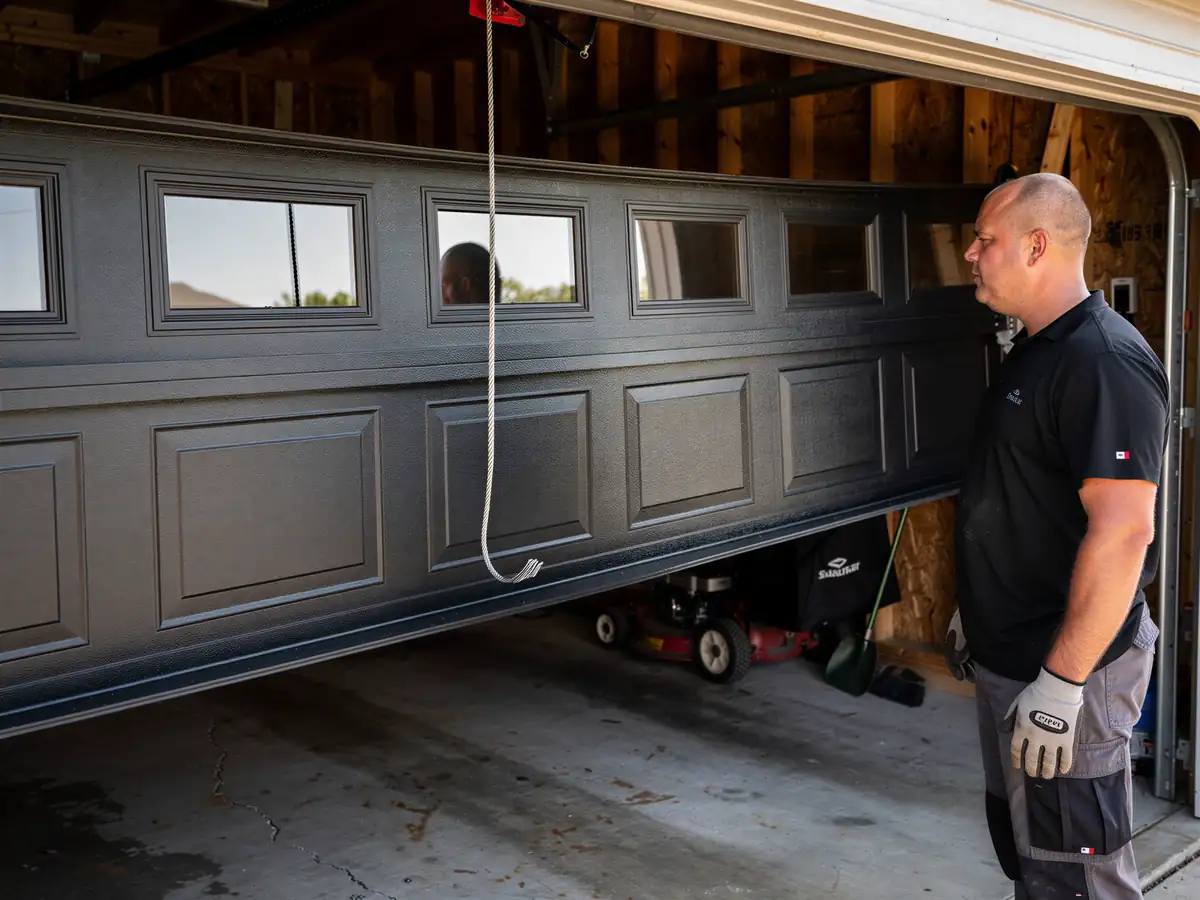
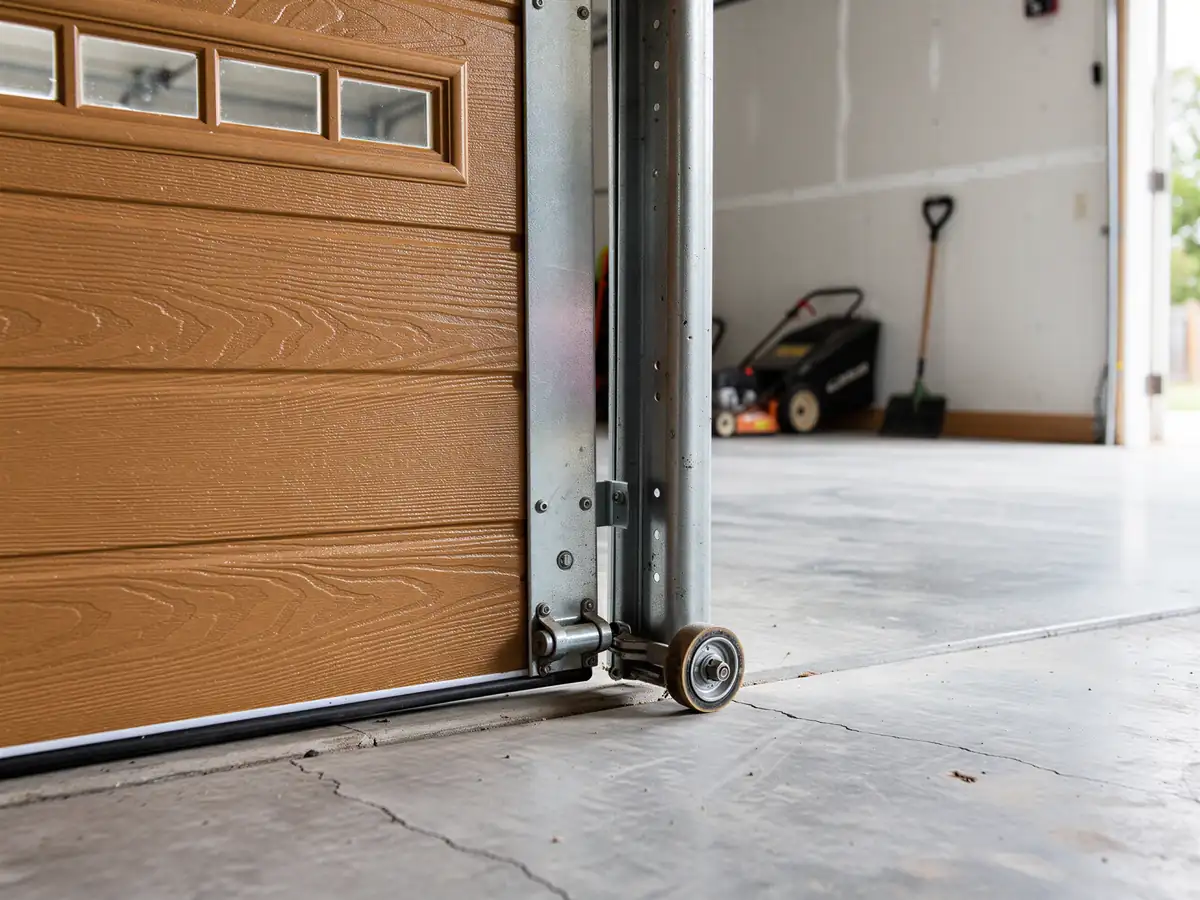
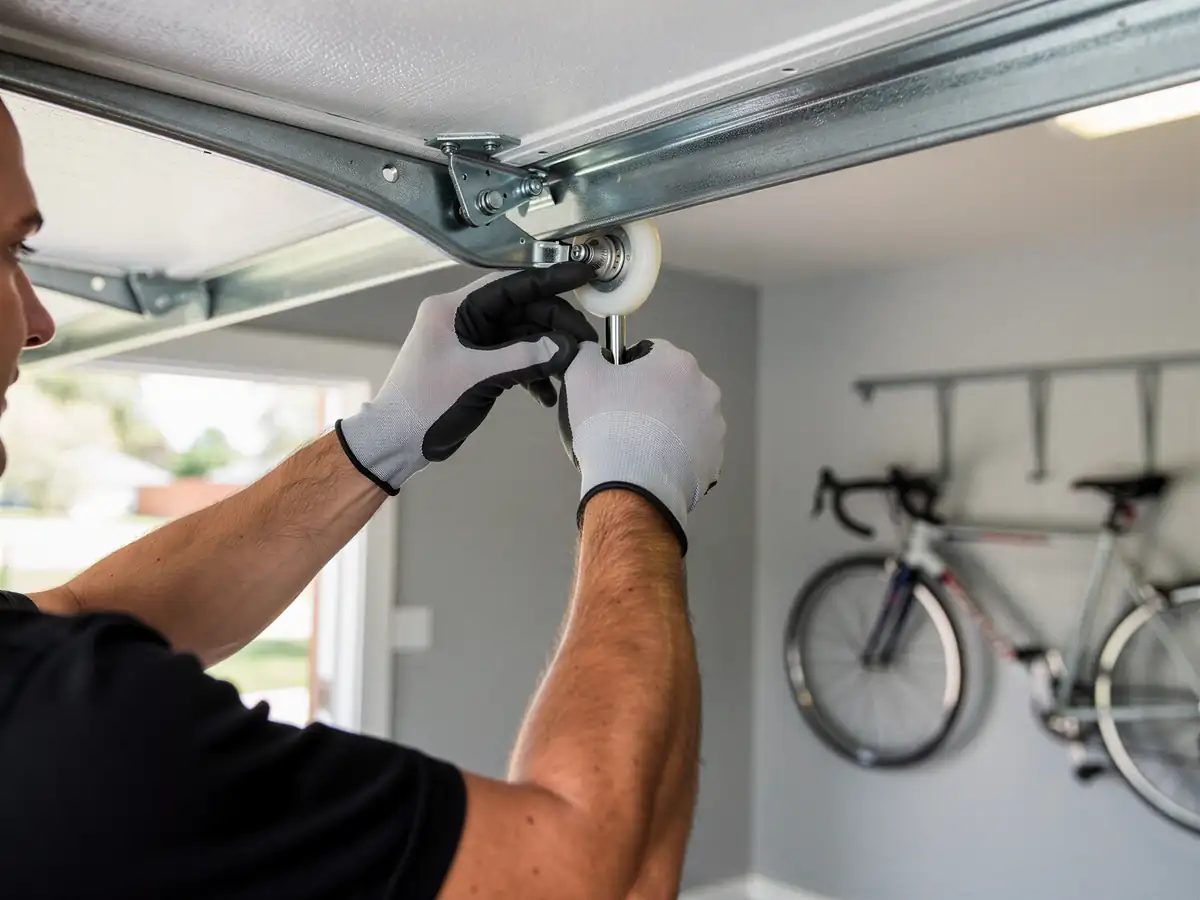
Aventura sits in a mild temperate band, which cuts both ways for a garage door. You don't get the freeze-thaw cycle that snaps springs and warps tracks up north, so the hardware doesn't fail the way it does in a cold climate. But doors here run through heat and humidity for most of the year without a real winter to slow anything down, and that steady warmth dries out factory lubricant on rollers and hinges faster than a four-season climate would. The result is a specific kind of noise: not the sharp crack of a cold-snapped spring, but a dry, grinding squeal from a roller or hinge that's been running bare metal-on-metal for months. On a door that's original to a house from the 1960s or '70s era that makes up most of this stock, that dried-out lubrication is often the whole story, not a sign the opener or spring is failing. We see this pattern often enough in this service area that it's usually our first guess before we even open the panel.
The Situation
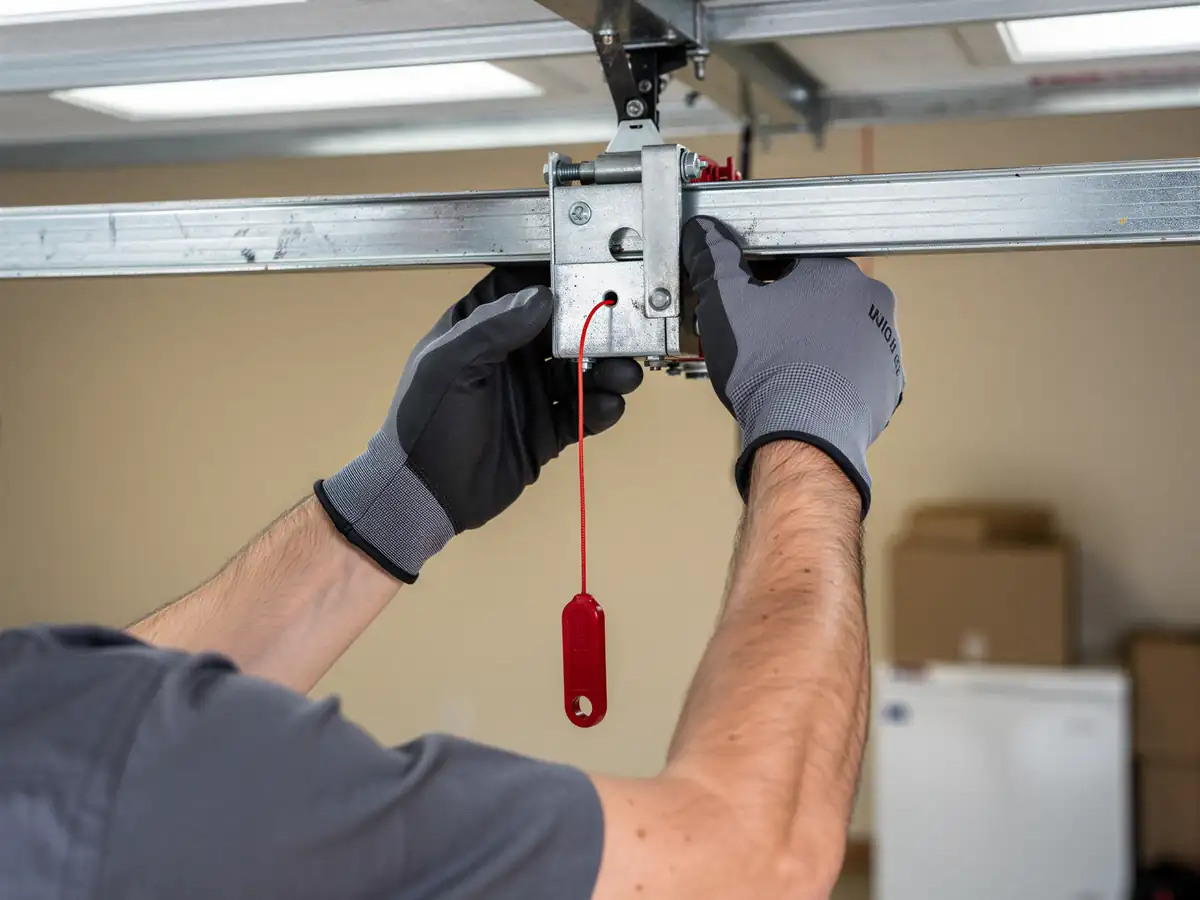
Across the 28 named areas that make up this part of the county - from Sunny Isles Beach and Ojus a couple of miles out to places like Miami Lakes, Sweetwater, and Coral Terrace further afield - the housing stock leans heavily 1960s and '70s, same as the broader 1953-1992 build range for the area. That matters for noise diagnosis because a door's age tells you what's inside the wall, not just what's on the outside. A house built in 1968 is more likely to still have its original torsion spring setup and an older-generation opener than a house built in 1990, and those two setups fail differently and sound different doing it. With roughly 42,128 owner-occupied houses across a service area of 164,090 households, and a median household income under $60,000, we see plenty of homeowners trying to decide whether a noisy door is worth fixing or worth replacing - and the honest answer depends on which era of hardware is actually behind the noise, not just how loud it got.