How Long You Are Without the Door
A roller job is not a day you lose the garage
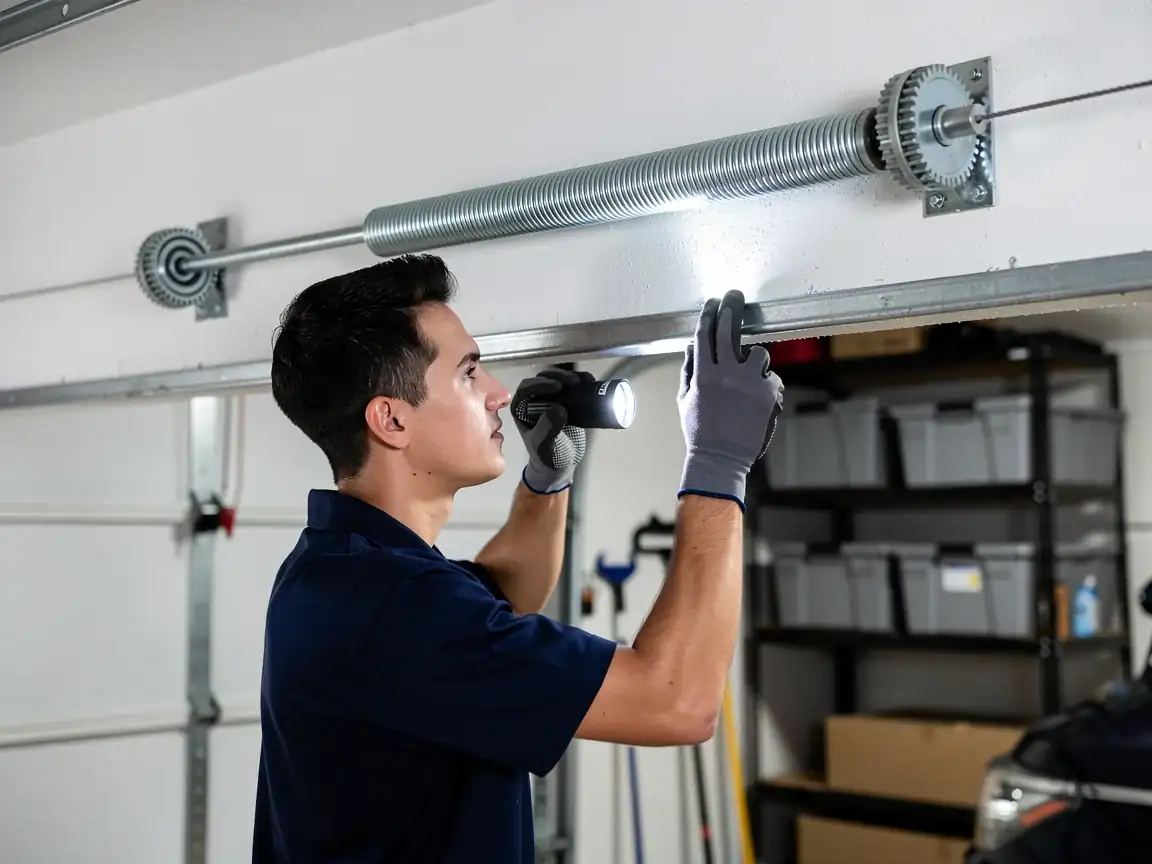
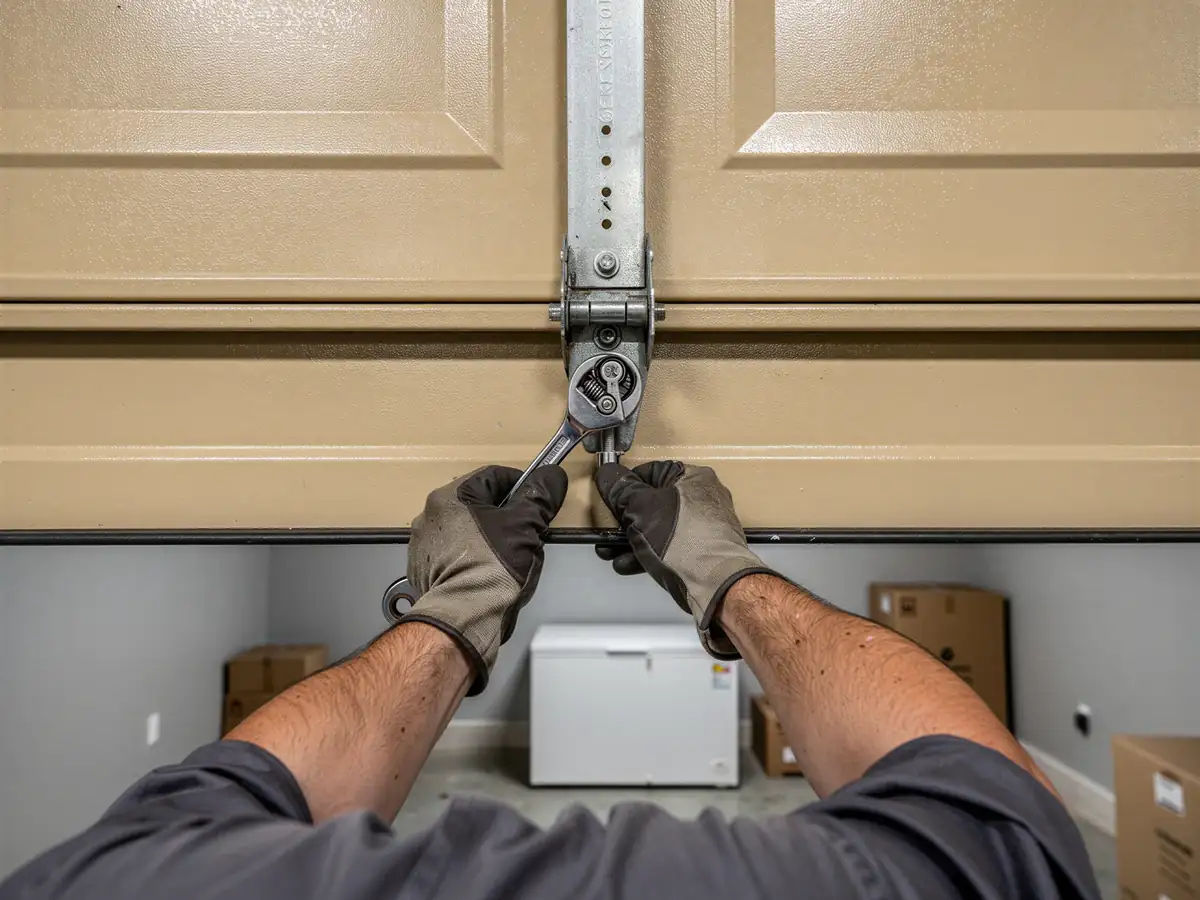
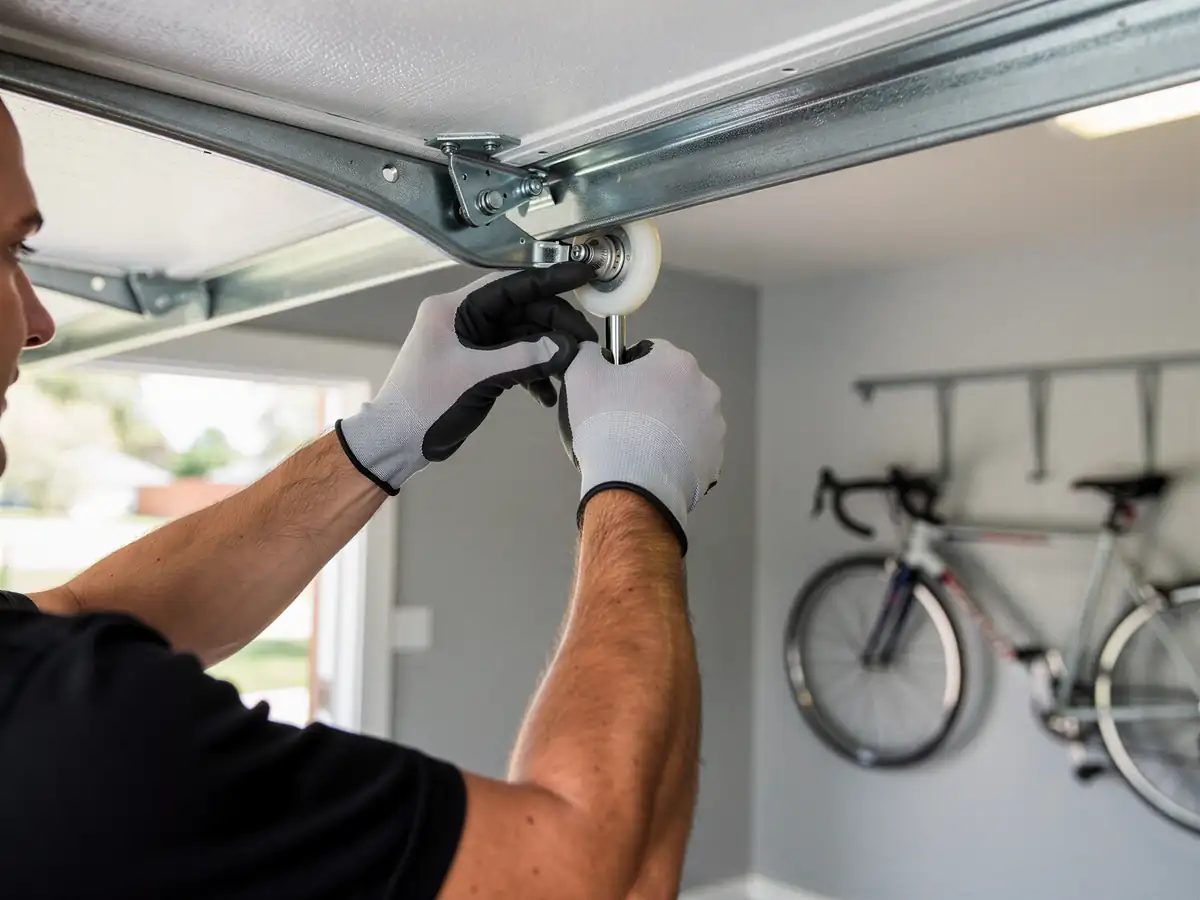
On most doors, swapping rollers is a same-visit fix - the tech pulls the old rollers out of the track one at a time, working around the spring tension, and sets new ones in. You're not stripping the door down, so there's no reason to be without it overnight.
Where it stretches out is when a bad roller has already chewed up the track or bent a hinge
That's common on the older sectional doors that make up a lot of the stock in this service area - houses built between 1953 and 1992, median year 1971. A seized roller dragging through a track for months will flare the track edge or crack a hinge tab, and now you're waiting on a part instead of just a roller. Track sections aren't always a shelf item, so that can push a job out a day or two if it has to be ordered.
The honest version: if you call when the door is just noisy or rolling rough, it's quick
If you wait until it's grinding metal on metal, it's a bigger ticket and a longer wait. We don't stock every track profile for every era of door, so a badly damaged track is the one thing that can turn a same-day roller swap into a multi-day repair.
Can You Do This Yourself
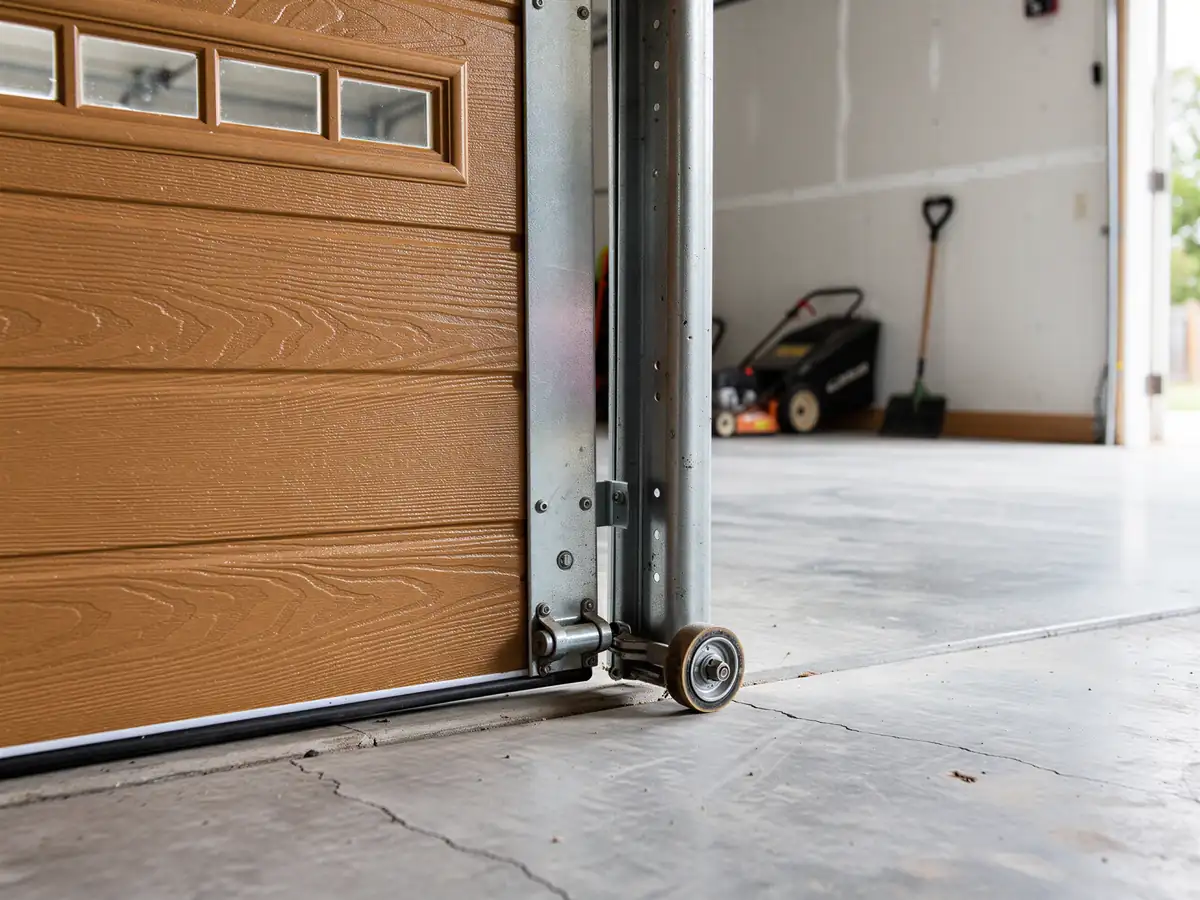
Rollers are one of the more DIY-friendly garage door parts, with a real caveat. The bottom rollers on either side of the door sit near the cables and, on older doors, near the bottom bracket that's under spring tension. Pulling the wrong one without relieving that tension is how people get hurt - not a scare story, just how the mechanism works.
The middle and upper rollers on a door that's down and disconnected from the opener are low-risk to replace yourself: pop the roller stem out of the hinge, slide the new one in, done. A lot of homeowners handle that fine with a decent set of pliers and a Saturday afternoon.
What we'd tell you not to touch yourself: the bottom rollers on a door with the original torsion hardware, especially on the older one- and two-piece doors still common in houses from the 1960s-70s wave. The tension on those setups isn't something to guess at.
Nylon rollers run quieter than the steel ones that came stock on a lot of these doors, and they don't need the lubrication steel rollers do. If you're already in there replacing one, it's worth upgrading the whole set rather than mixing old and new.
What Causes It Around Here
Two things drive roller wear in this service area, and both trace back to the housing itself rather than anything dramatic. First is age of the stock: with most houses dating to 1953-1992 and a median build year of 1971, a lot of doors out there are still running on original or first-replacement steel rollers. Steel rollers have a shorter service life than nylon to begin with, and after fifty-plus years of use, metal-on-metal wear in the track is just arithmetic.
Second is cycle count, not climate shock. The area sits in a mild, temperate band - there's no hard freeze-thaw cycle here cracking housings or seizing bearings the way it would somewhere with real winters. So when a roller fails here, it's almost always simple fatigue: years of opening and closing wearing down the bearing or wearing a flat spot into the roller wheel itself, not weather damage.
Across the 28 named communities that make up this service area, that pattern holds pretty consistently because the housing ages line up block to block. A door that's rolling rough in one neighborhood is usually rolling rough for the same reason a few miles over - it's just time on the part, not something sudden that happened to the house.
How It Shows Up
It starts quiet and gets louder
The earliest sign is usually a grinding or squealing noise right as the door passes a certain point in the track - that's a flat-spotted roller wheel no longer rolling true. Leave it, and the noise spreads to the whole run of the door instead of one spot, because the flat spot is now hammering the track with every cycle.
Next comes visible shake
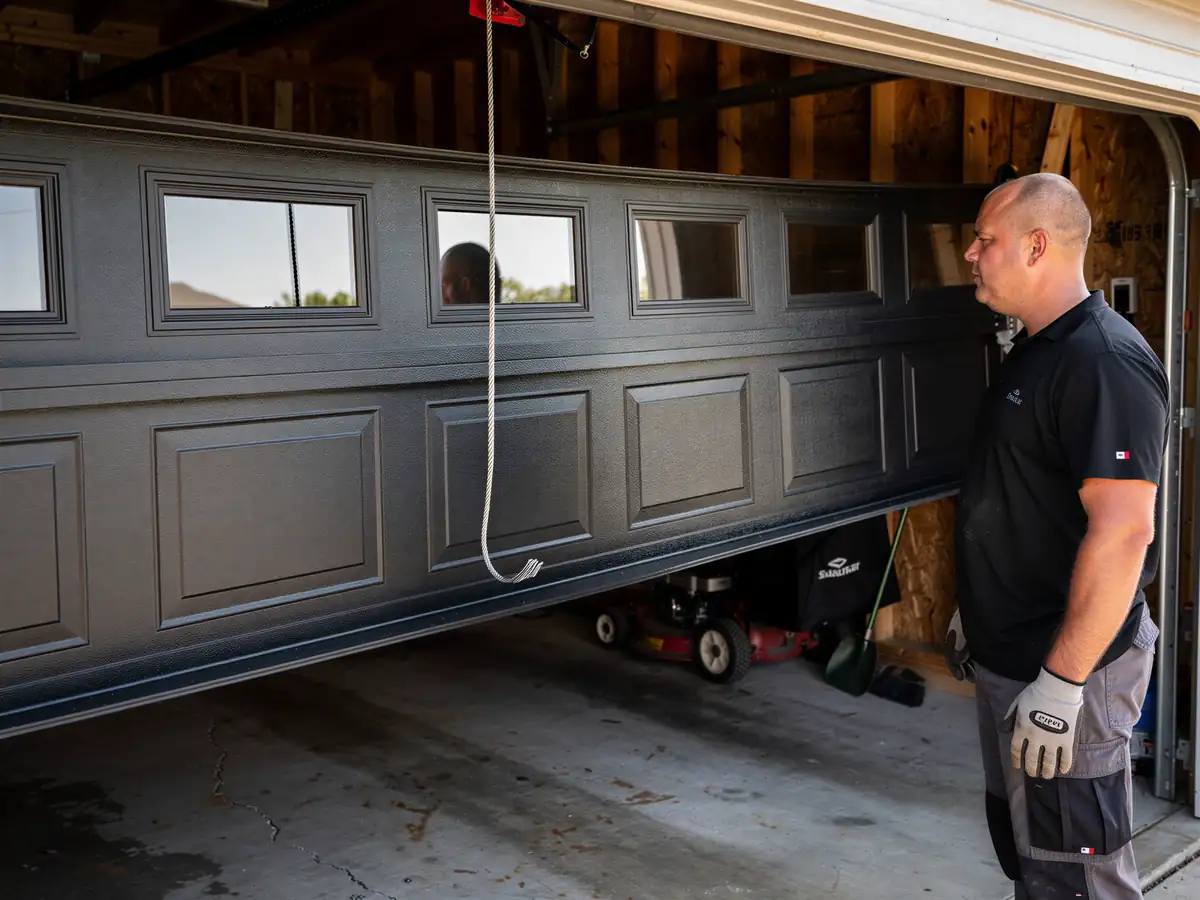
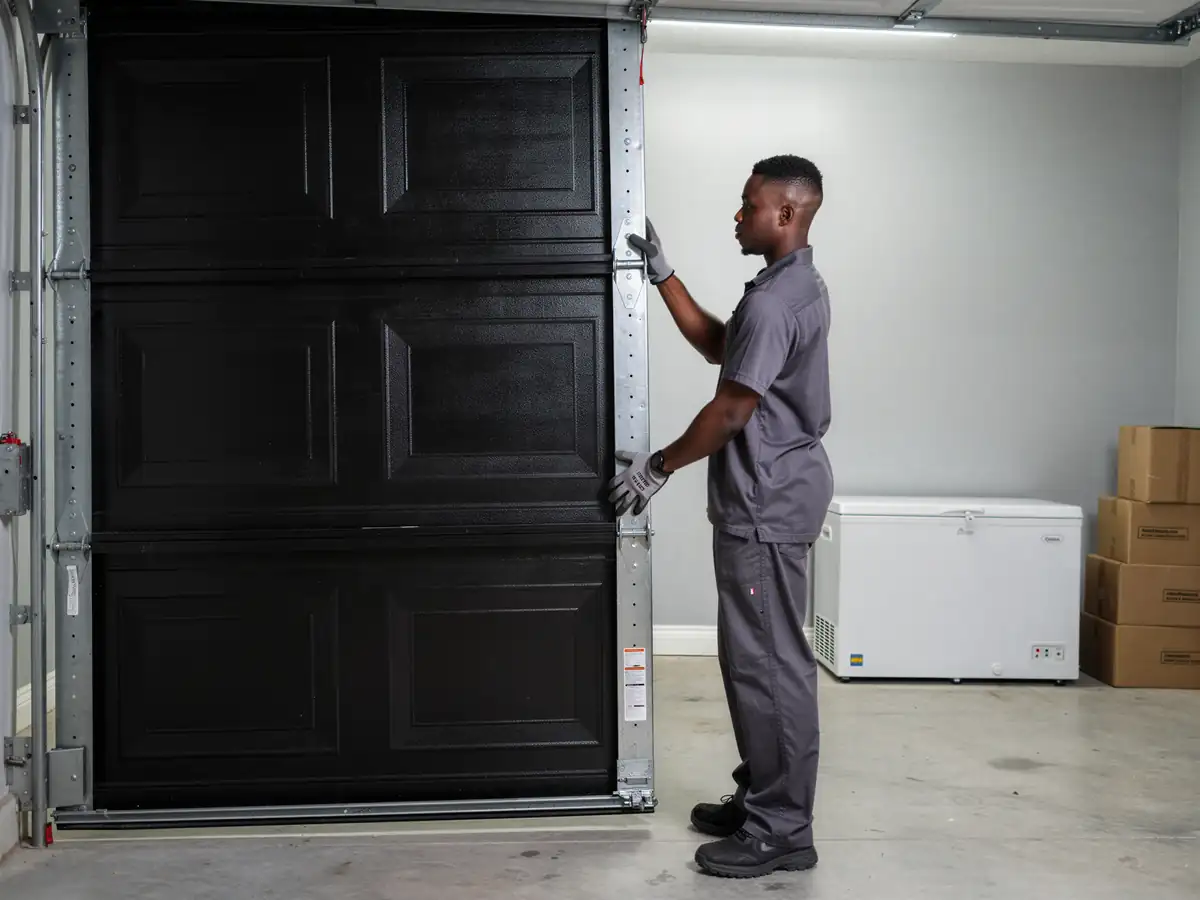
Watch the door from the side as it travels: a bad roller will make the panel visibly wobble or jump slightly where the wheel catches. On steel-roller doors common in the older housing stock here, that wobble often shows up first on the bottom panel, since that roller carries the most load.
The door can also start binding - catching partway open or closed, then releasing with a jolt
That's a roller that's worn enough to ride up out of the track groove instead of staying centered in it.
If you catch any of this early, it's a roller swap
If you wait, the roller can score the track enough that you're replacing track hardware too, which is a bigger job than the one you started with.