Can You Do This Yourself
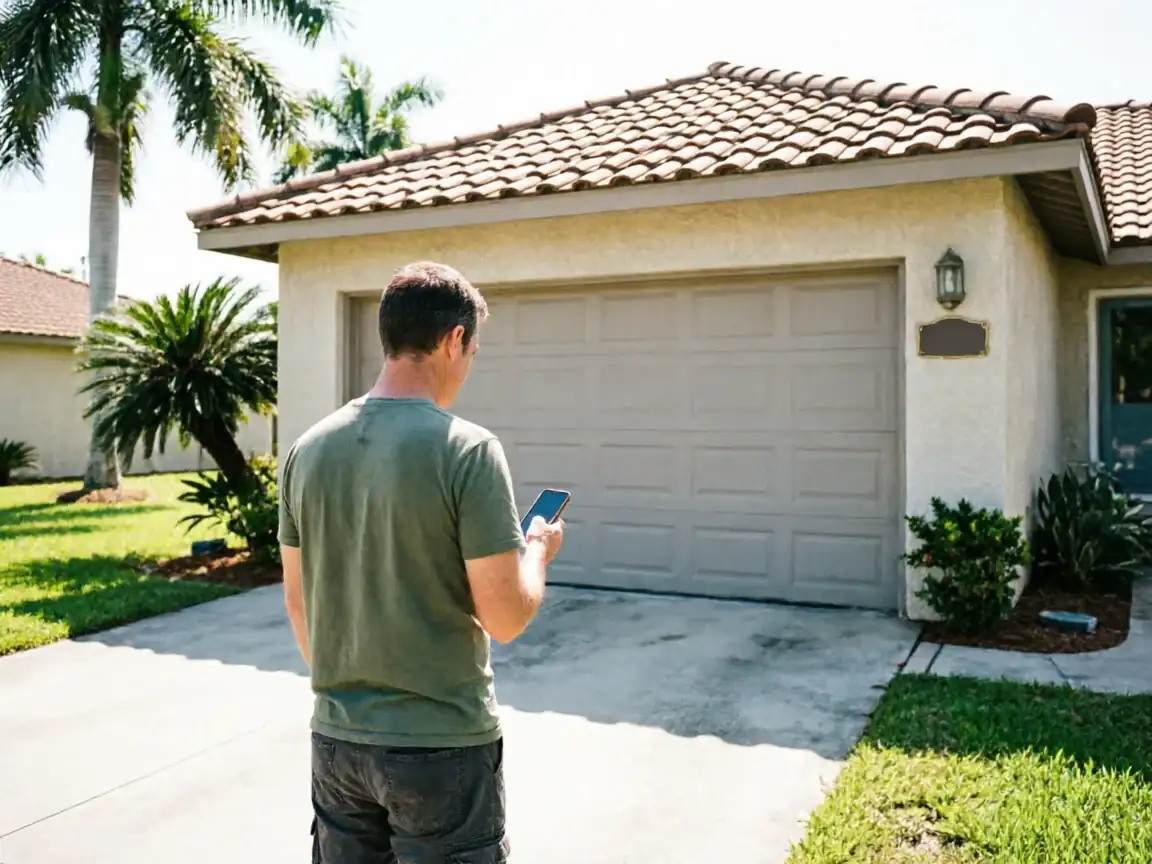
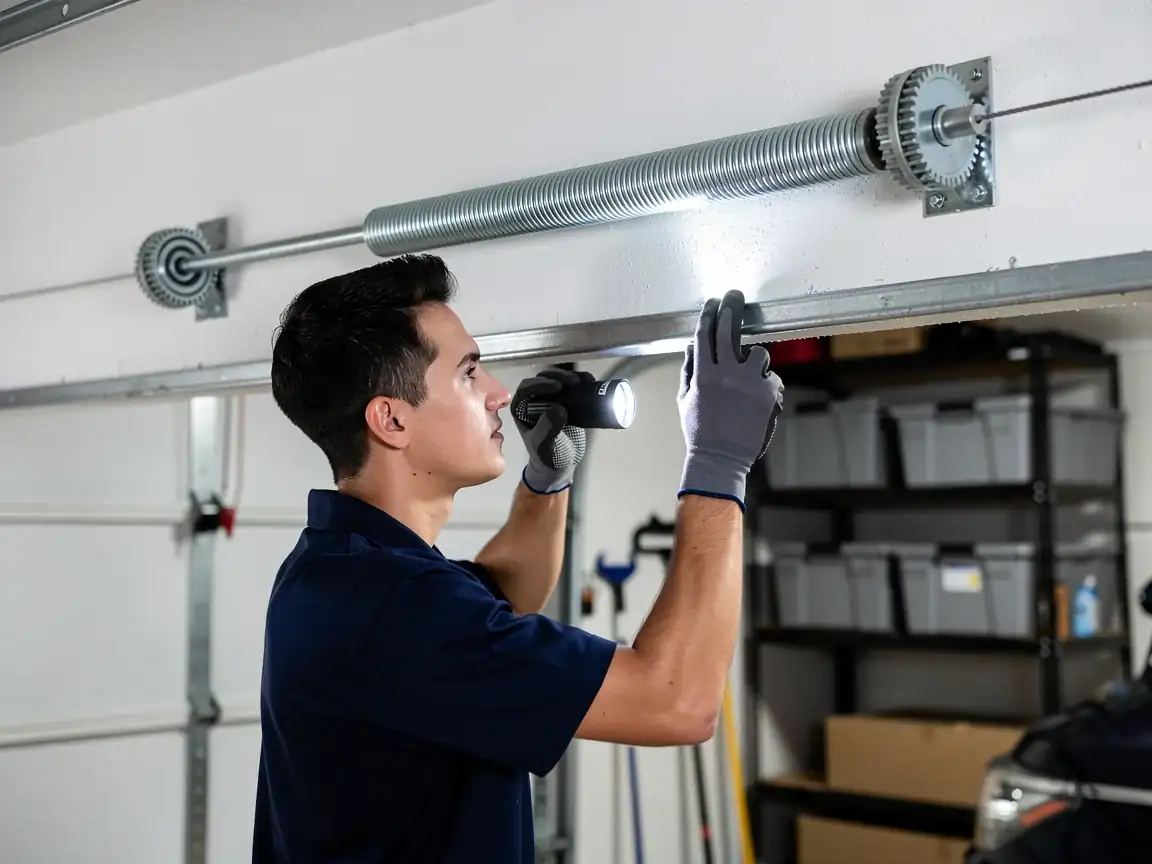
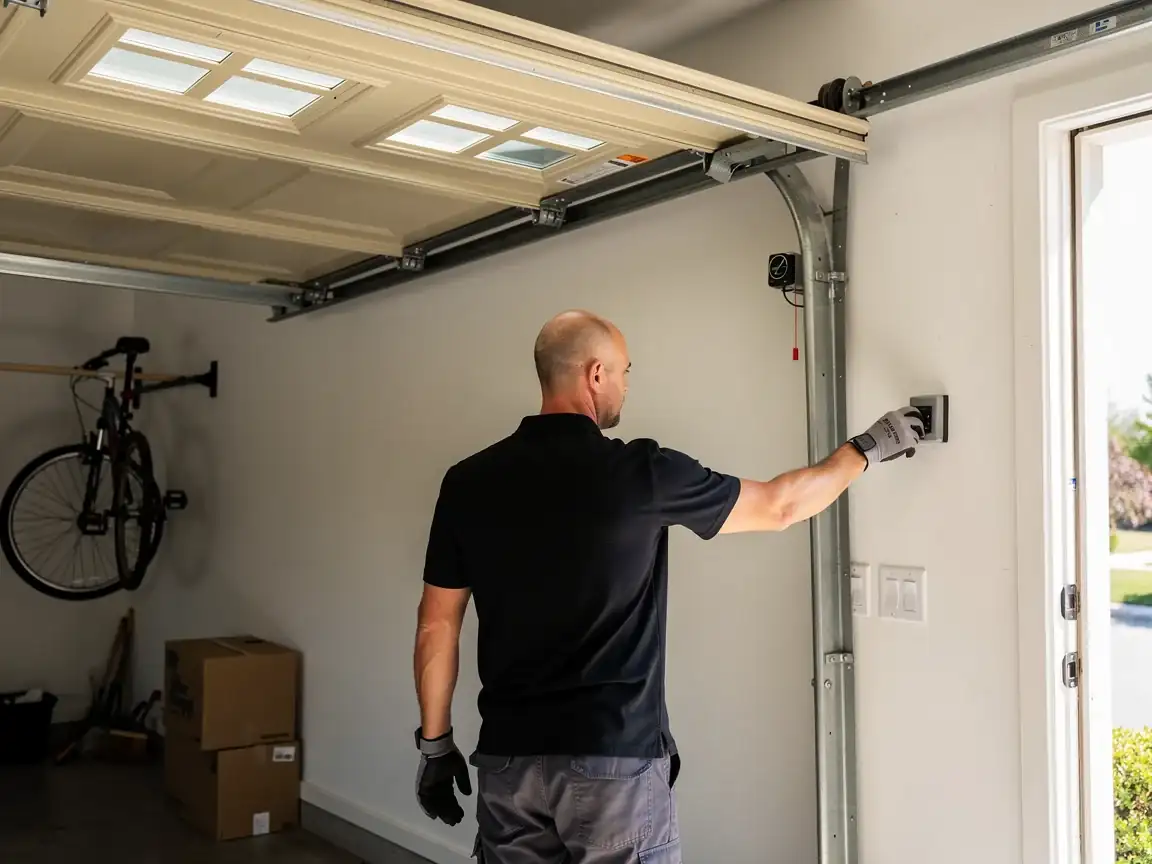
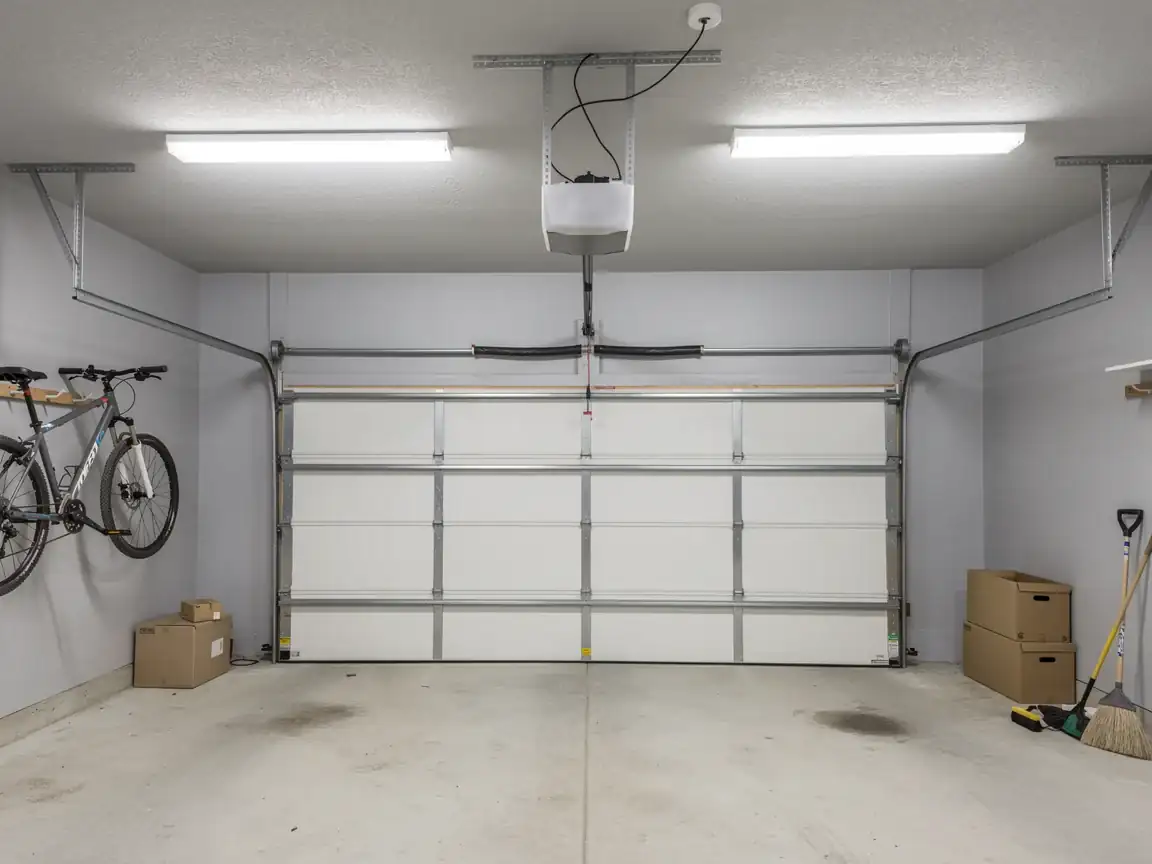
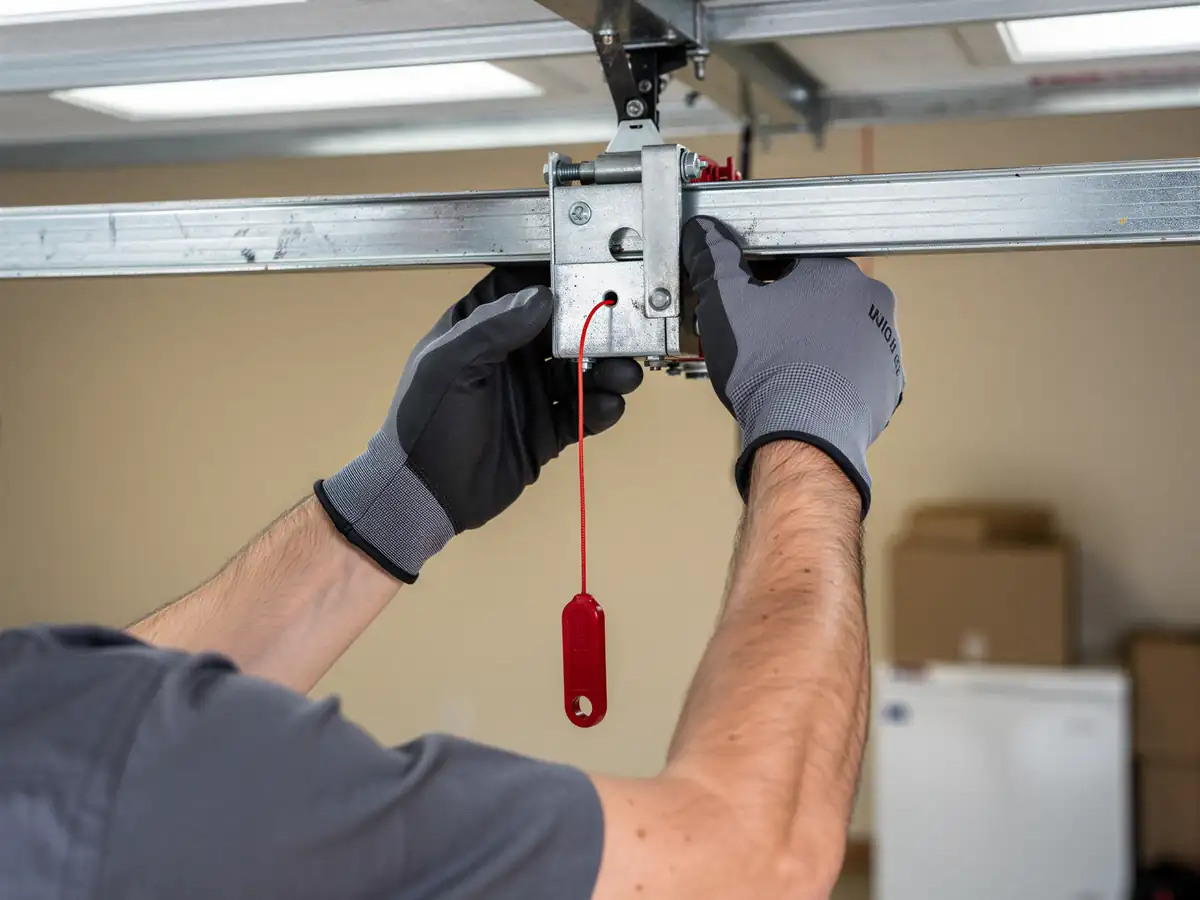
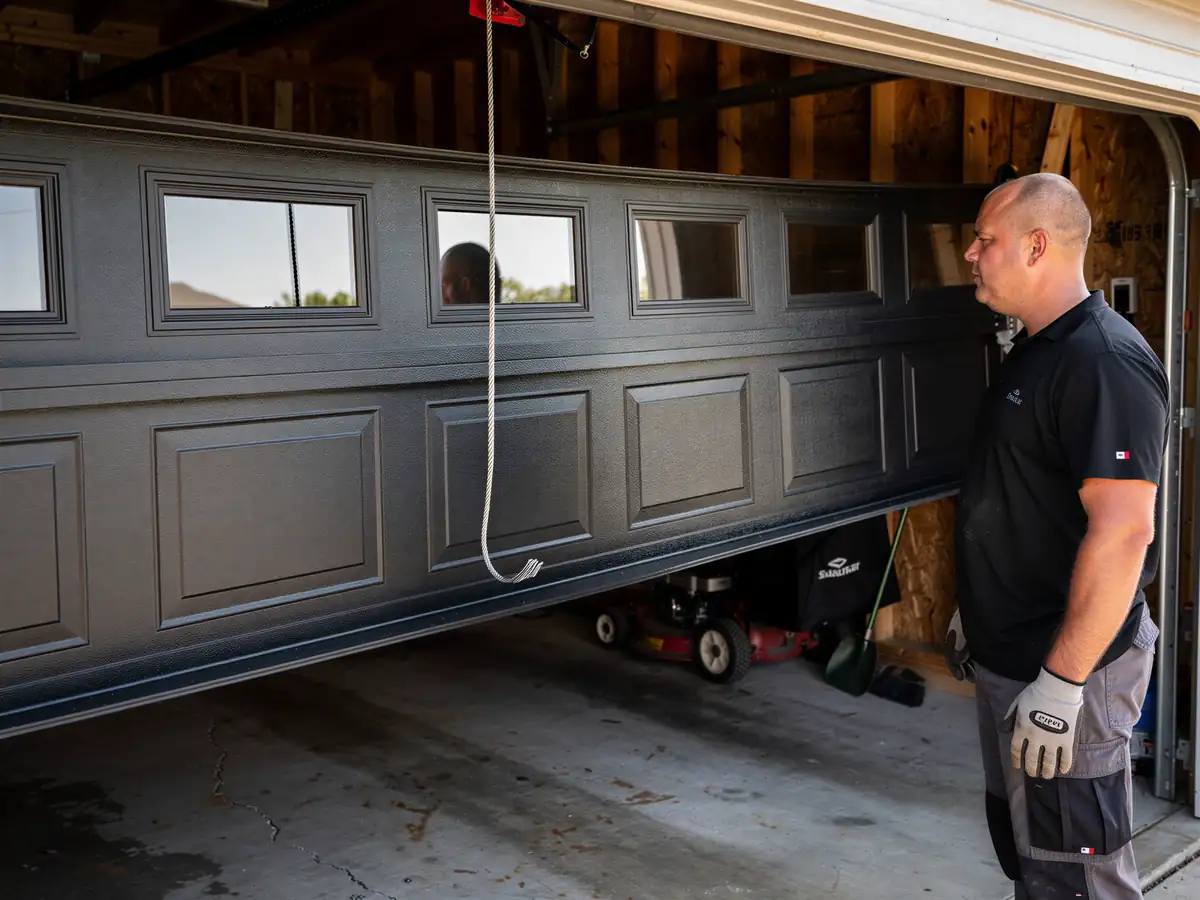
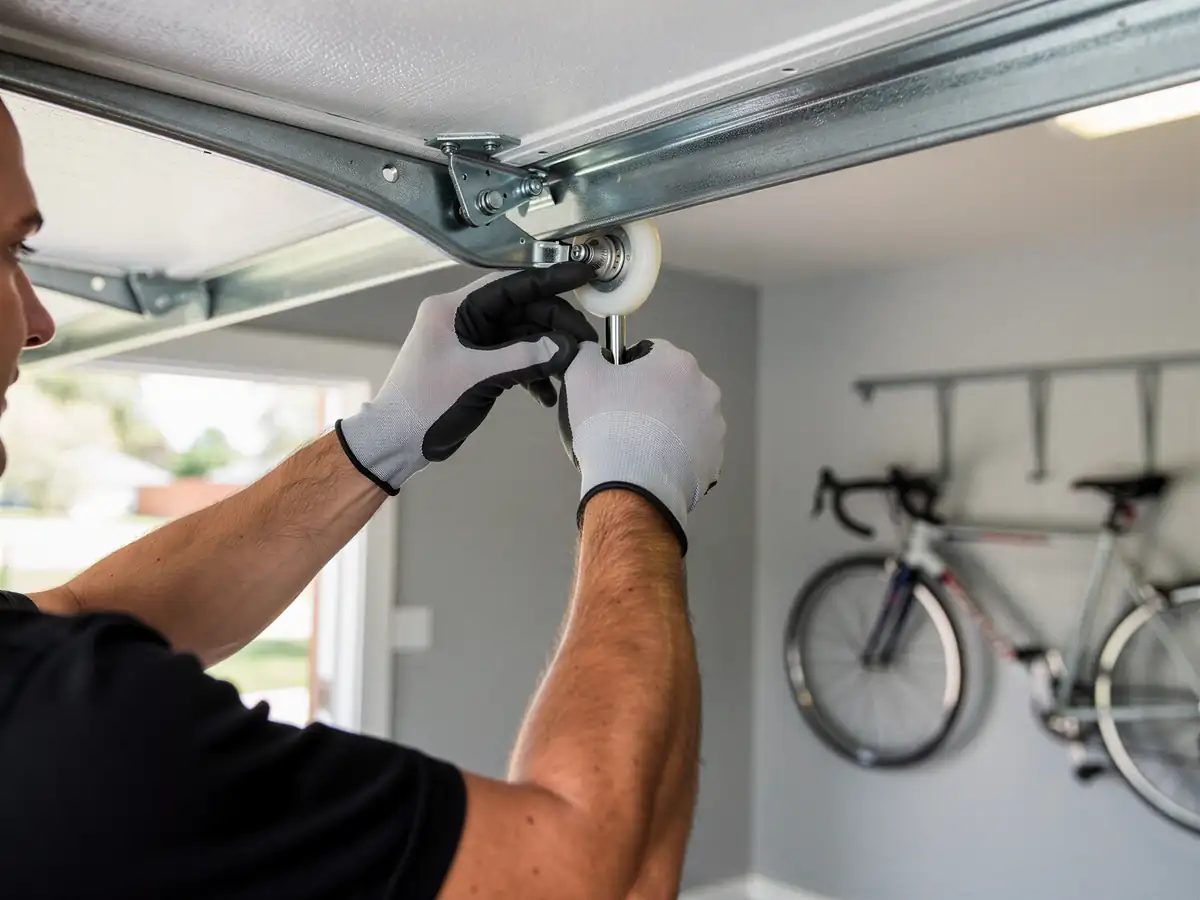
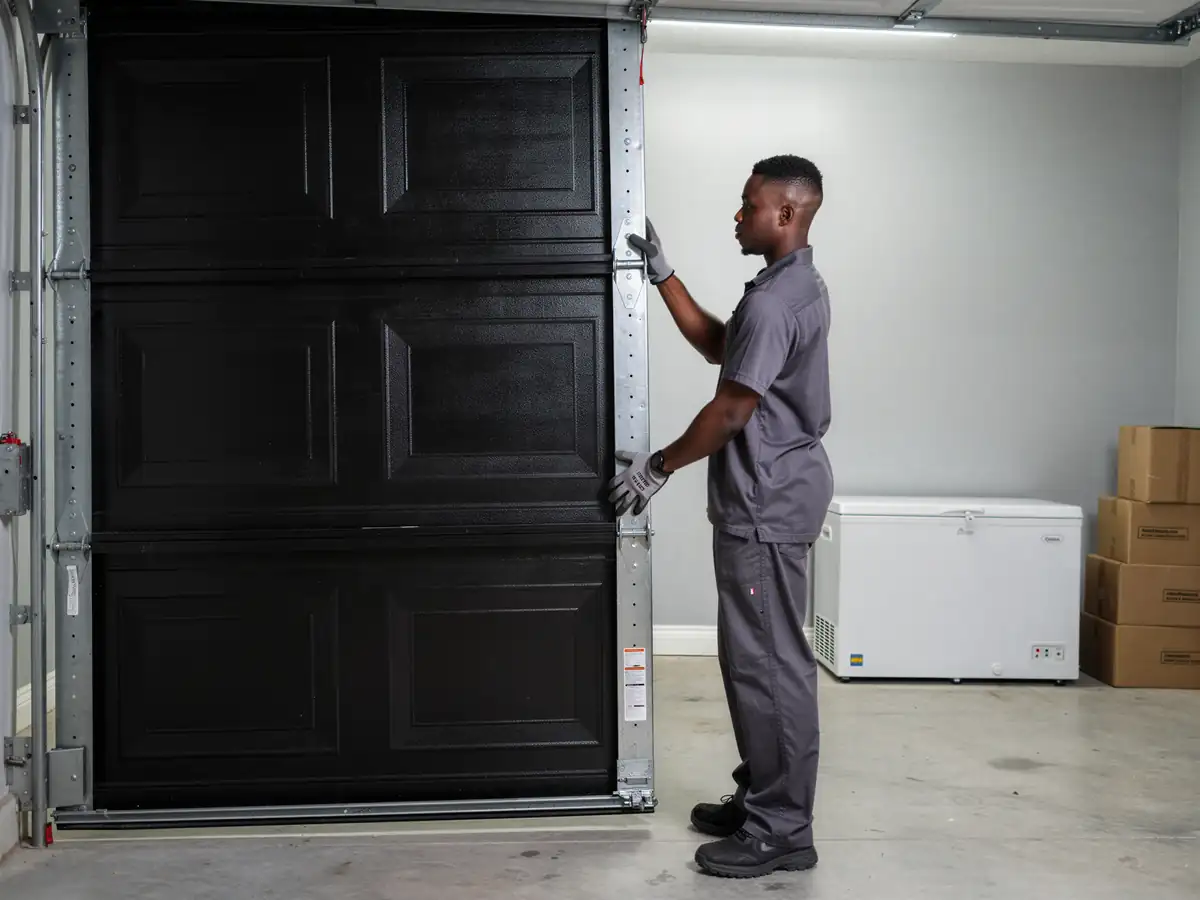
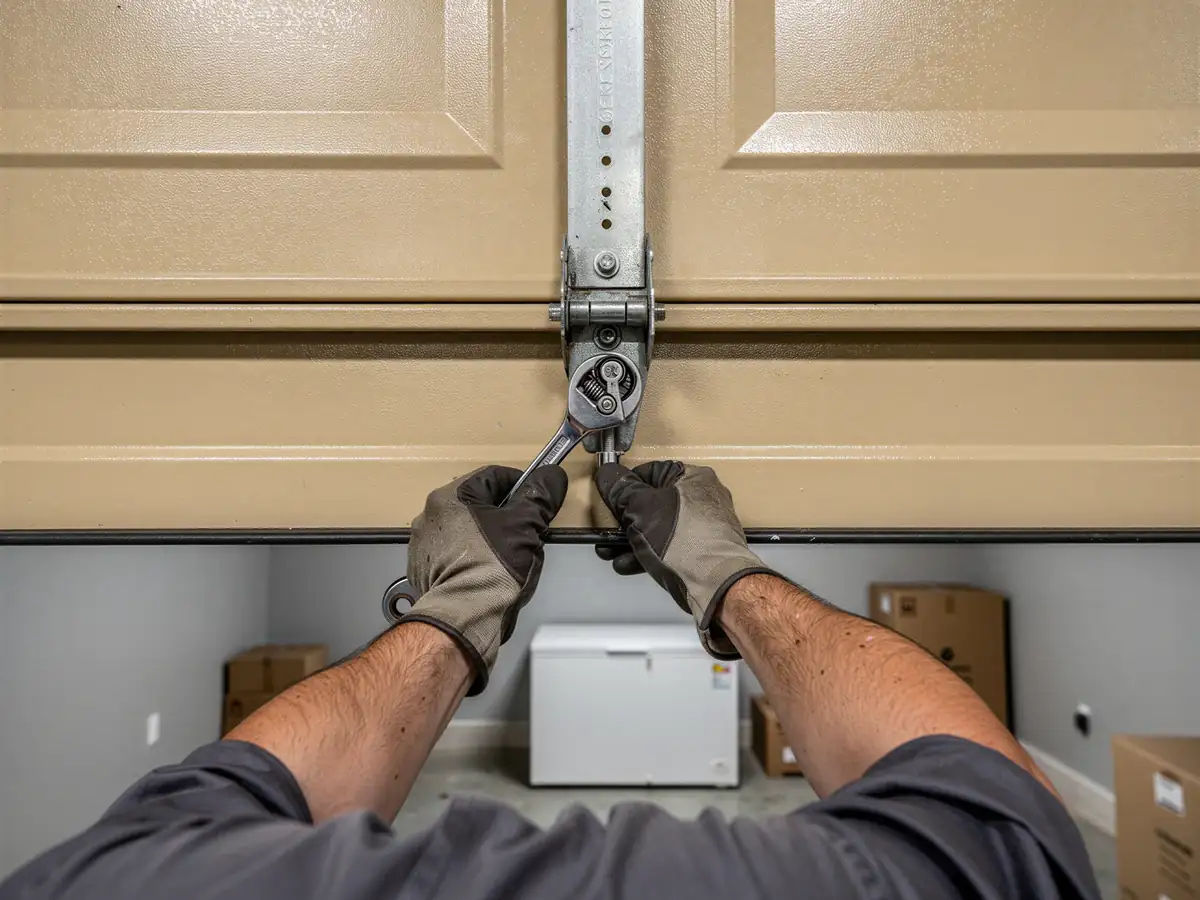
Rollers, weatherstripping, lubricating hinges - fine, do that yourself, it's cheap and it's safe. Torsion springs are not a DIY repair. They're wound under enough tension to break a wrist or worse, and the winding bars and cone sizes aren't universal - guess wrong on an older door from the 1960s-70s stock that makes up most of this area and you can rack the track or slam the door down on a hand. Cables are the same problem at lower drama. If the opener just hums and the door doesn't move, that's often a capacitor or a gear, not a mystery - but pulling the opener apart without knowing the model's quirks tends to turn a $40 part into a $300 opener. Our honest line: if you can see the broken part and it's a spring, a cable, or anything holding tension, call it in. If it's a sensor eye that's dirty or knocked out of alignment, that one's a five-minute fix most owners can do with a rag and a level.
What Causes It Around Here
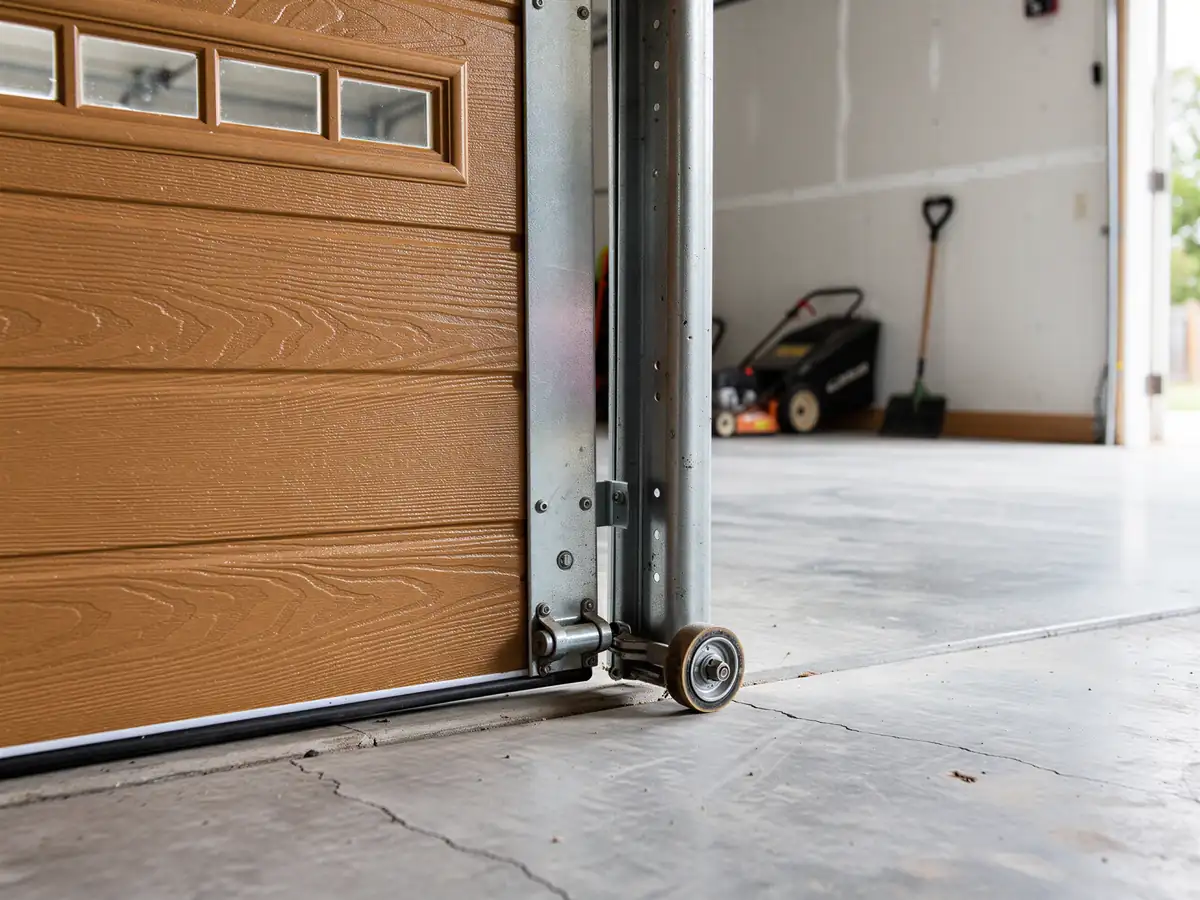
Aventura sits in a mild temperate band - no freeze-thaw cycles cracking panels, no snow load on the springs. That's the good news. The bad news is humidity and salt-tinged air off the coast, which doesn't skip torsion springs and track hardware just because the weather's gentle. Galvanized coating wears thinner here than it would inland, and springs rated for a certain number of cycles tend to give out early when the metal's already fighting corrosion. Add in a housing stock built mostly in the 1960s and 70s, with median construction year 1971, and you've got a lot of original or first-replacement hardware that's simply past its working life. We see this pattern consistently on doors from that era: springs that look fine but have lost tension, rollers worn oval instead of round, and tracks that have shifted slightly out of plumb over fifty-plus years of settling.