Is Your Aventura Garage Door Worth Fixing, or Done
Aventura homes mostly date to the 1960s-70s building boom. Here's how to tell if your original door and hardware are worth repairing or ready to retire.
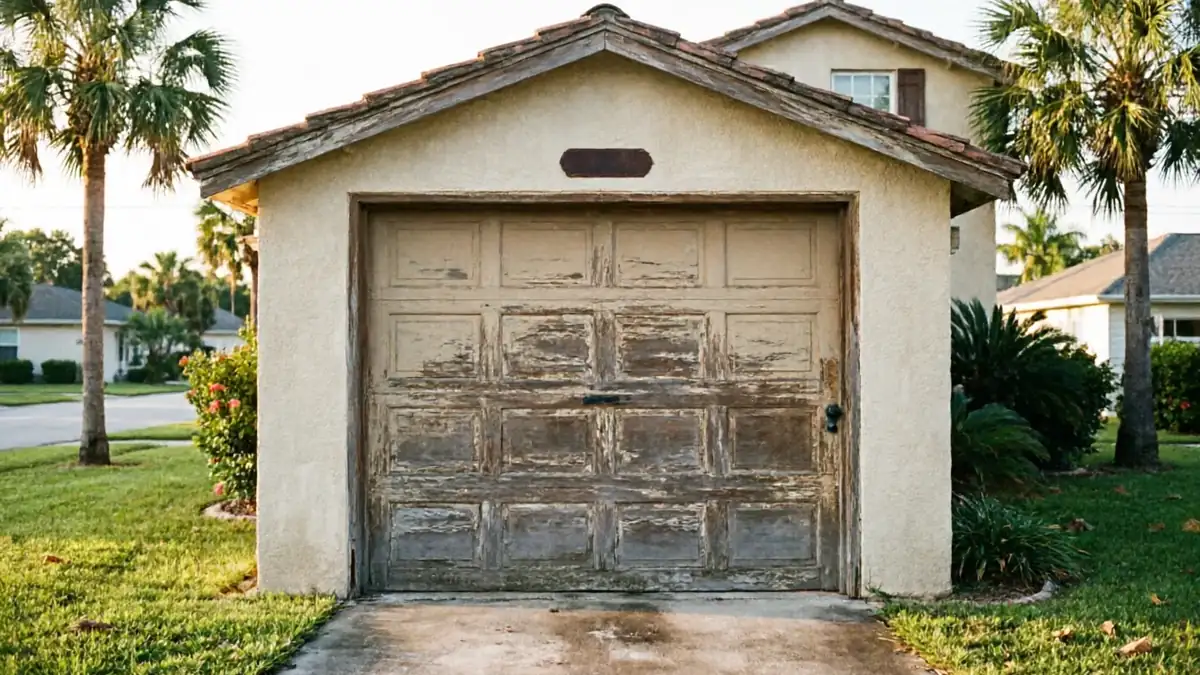
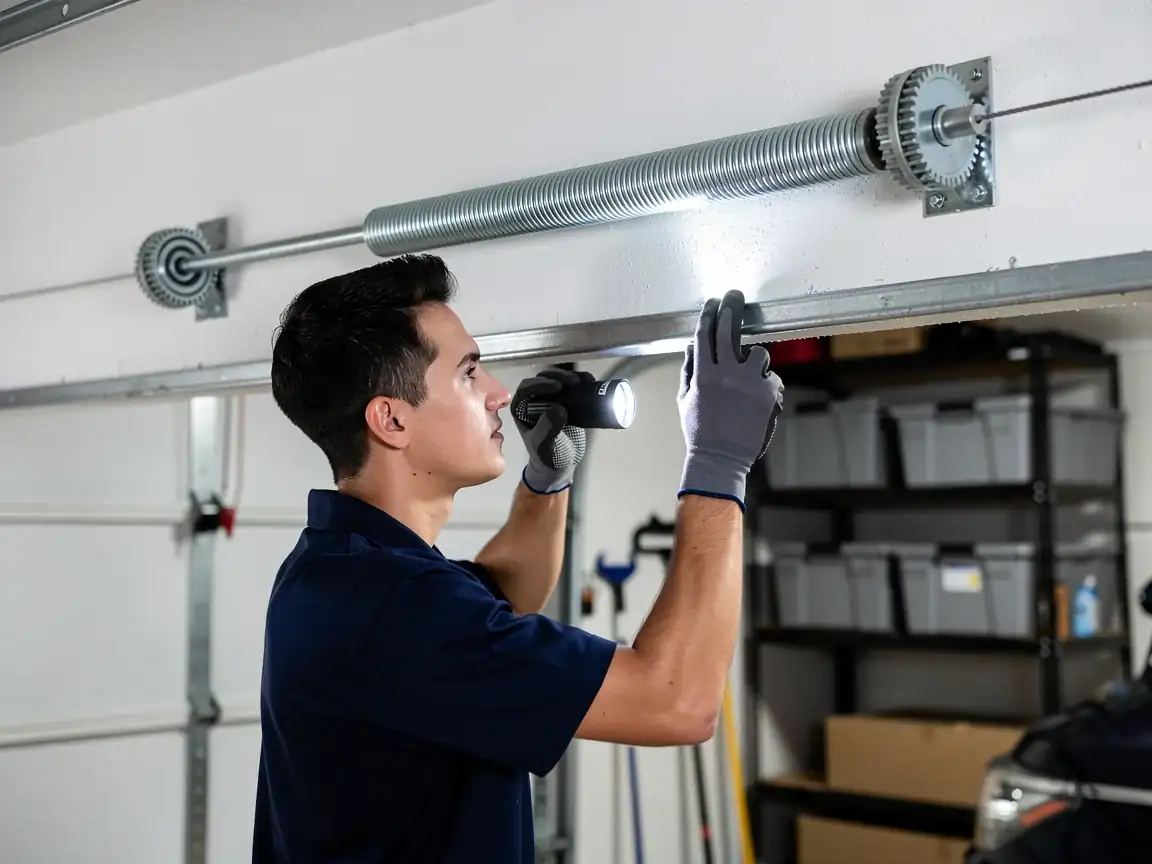
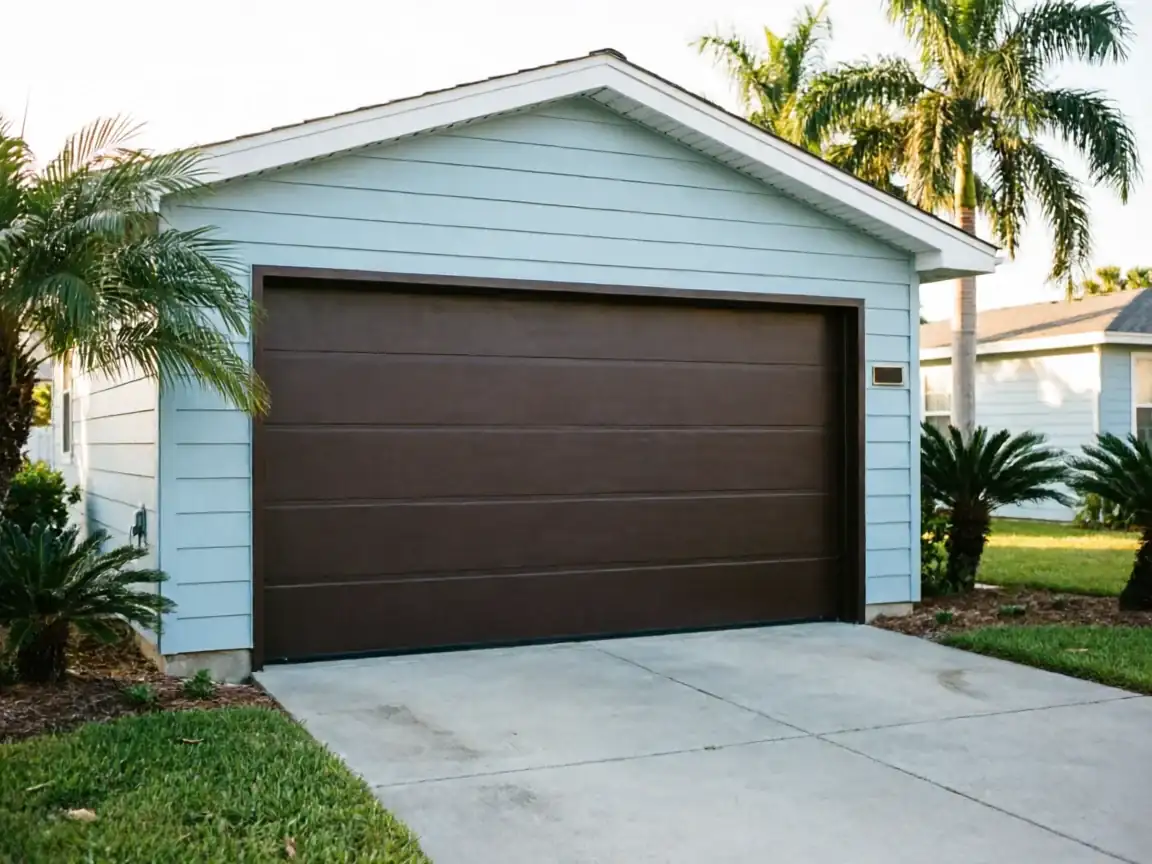
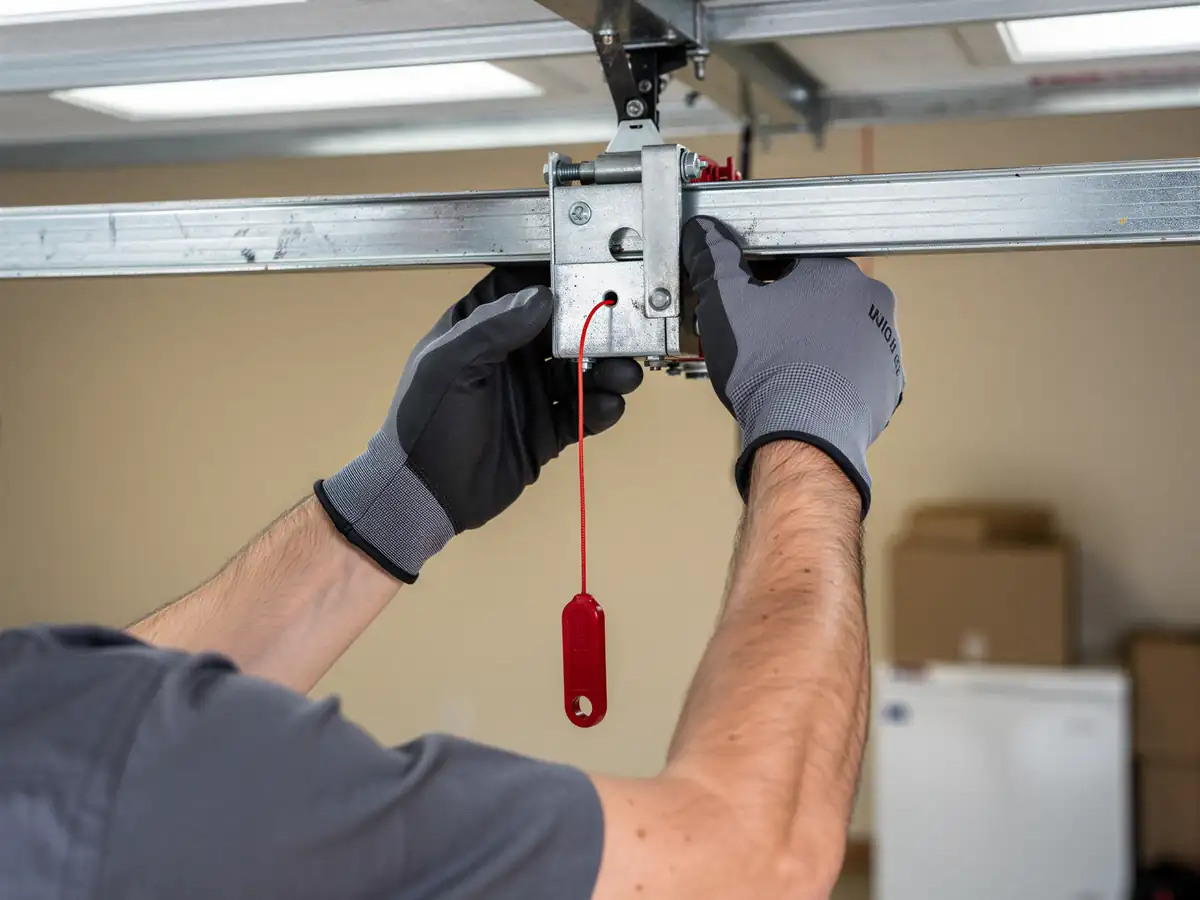
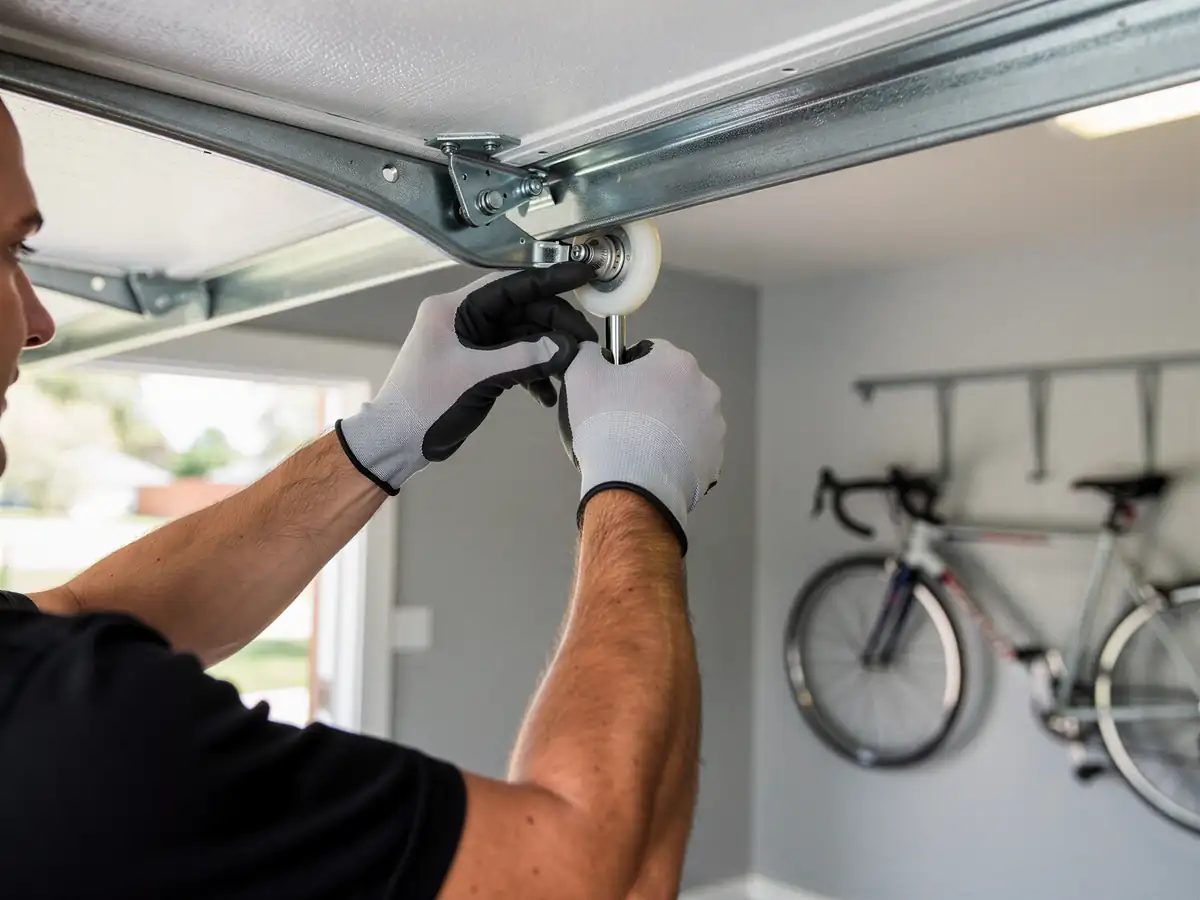
A lot of doors in this area have been doing their job since before anyone currently living in the house moved in. Housing stock here mostly went up between 1953 and 1992, with a median build year around 1971, and plenty of those original doors and openers are still hanging on. Leaving a door alone isn't laziness - sometimes it's the right call. If the panels aren't dented, the springs still cycle smooth, and the opener still lifts without straining, you don't need to replace anything just because it's old. Age alone isn't a failure. What matters is whether the hardware underneath - the torsion spring, the rollers, the track alignment - is still doing its job the way it did when the house was built. We'd rather tell an owner their 1970s door has another five years in it than sell a replacement nobody needs. The honest limitation here: once a spring is original to a house built in the early 1970s, we can't tell you exactly how many cycles are left in it without seeing it. Steel fatigues quietly, and there's no dashboard light for that.
What Local Conditions Do
Aventura sits in a mild temperate band - no hard freezes, no deep cold snaps that crack hardware the way they do up north. That's good news for the steel itself. What it doesn't protect against is humidity and salt air working slowly on fasteners, hinges, and spring coils over four or five decades. A door built in the median year of 1971 has now sat through roughly fifty years of that same mild-but-humid cycle, year after year, with no winter shutdown to slow the corrosion down. That's a different wear pattern than a door in a dry, four-season climate would show at the same age - here, it's rust creep on hinges and pitting on unpainted spring coils rather than cracked seals or warped panels from freeze-thaw. If your door is original to a house from that build era, that's the first place we look: not the panel, but the small steel parts that have been sitting in this climate the whole time.
The Situation
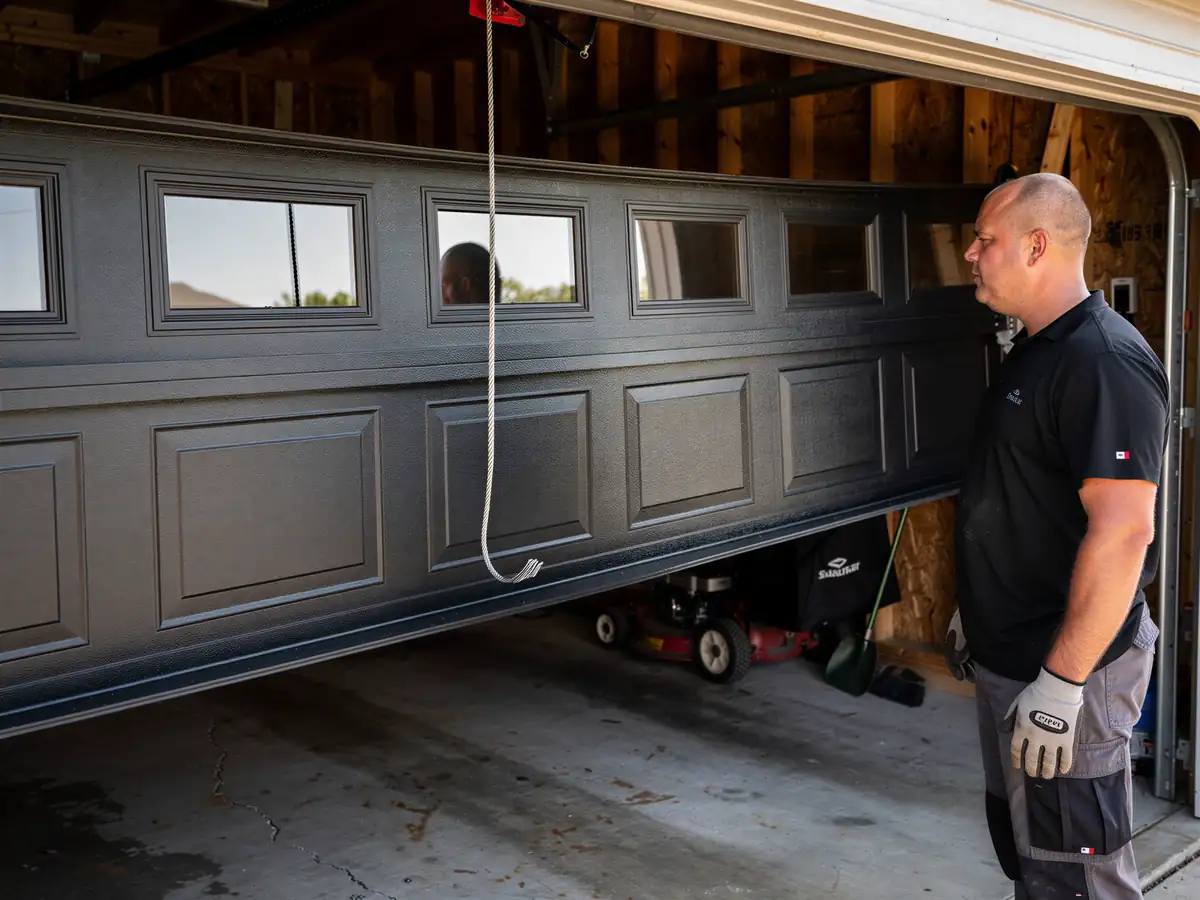
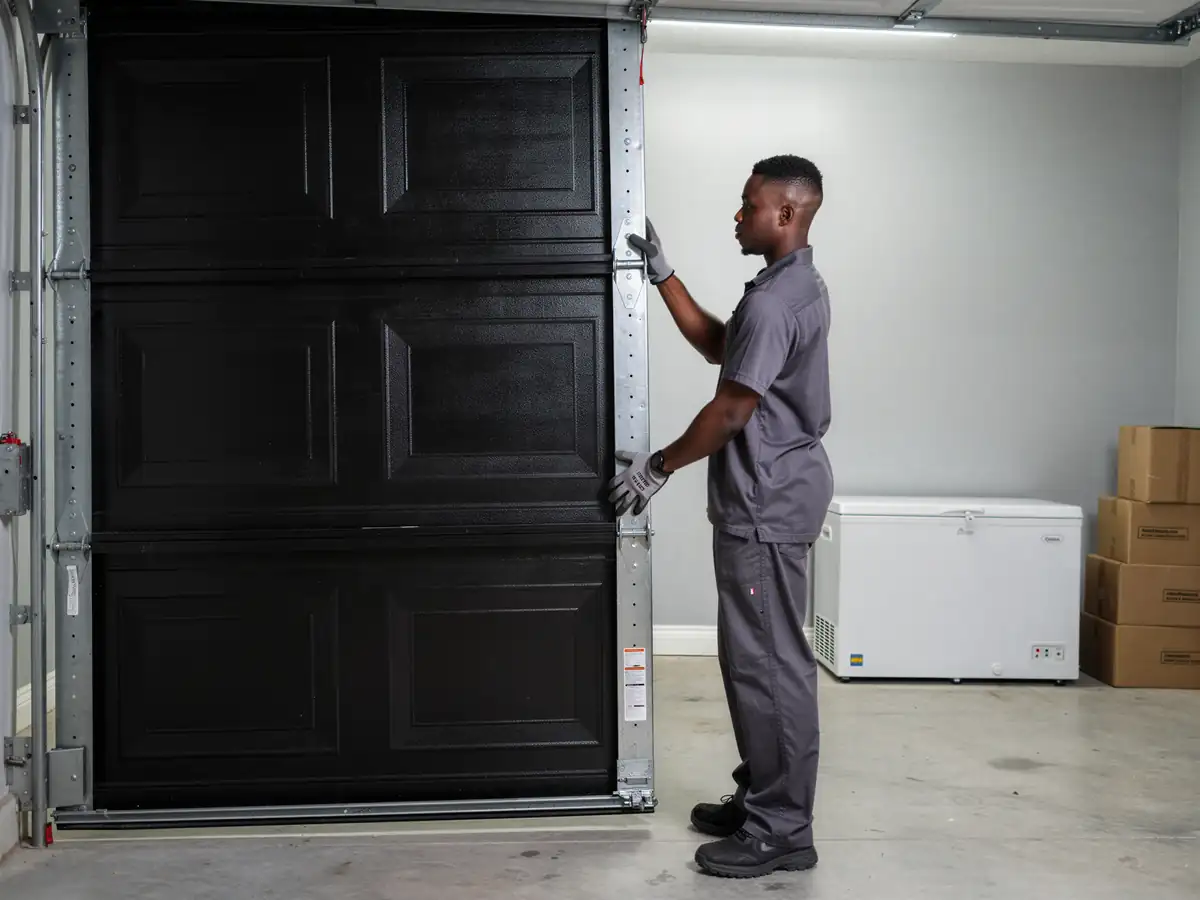
Across the area, most of the housing stock reads the same way - 1960s and 70s builds, much of it still running original hardware because nobody ever had a reason to touch it. That means a fair number of calls we get aren't about a door that broke suddenly, they're about a door that's been getting louder and stiffer for a year and finally stopped lifting right. With a median household income of about $59,989 across roughly 164,090 households in the service area, a lot of owners are weighing a repair bill against a full replacement and want a straight answer, not a sales pitch. The honest answer is usually: if the frame and track are square and the panels aren't rusted through, a spring and roller job gets you another decade out of a door that's already proven it was built well. If the track is bent or the panels are flaking from the inside out, you're not fixing a door anymore, you're patching one.
Where People Go Wrong
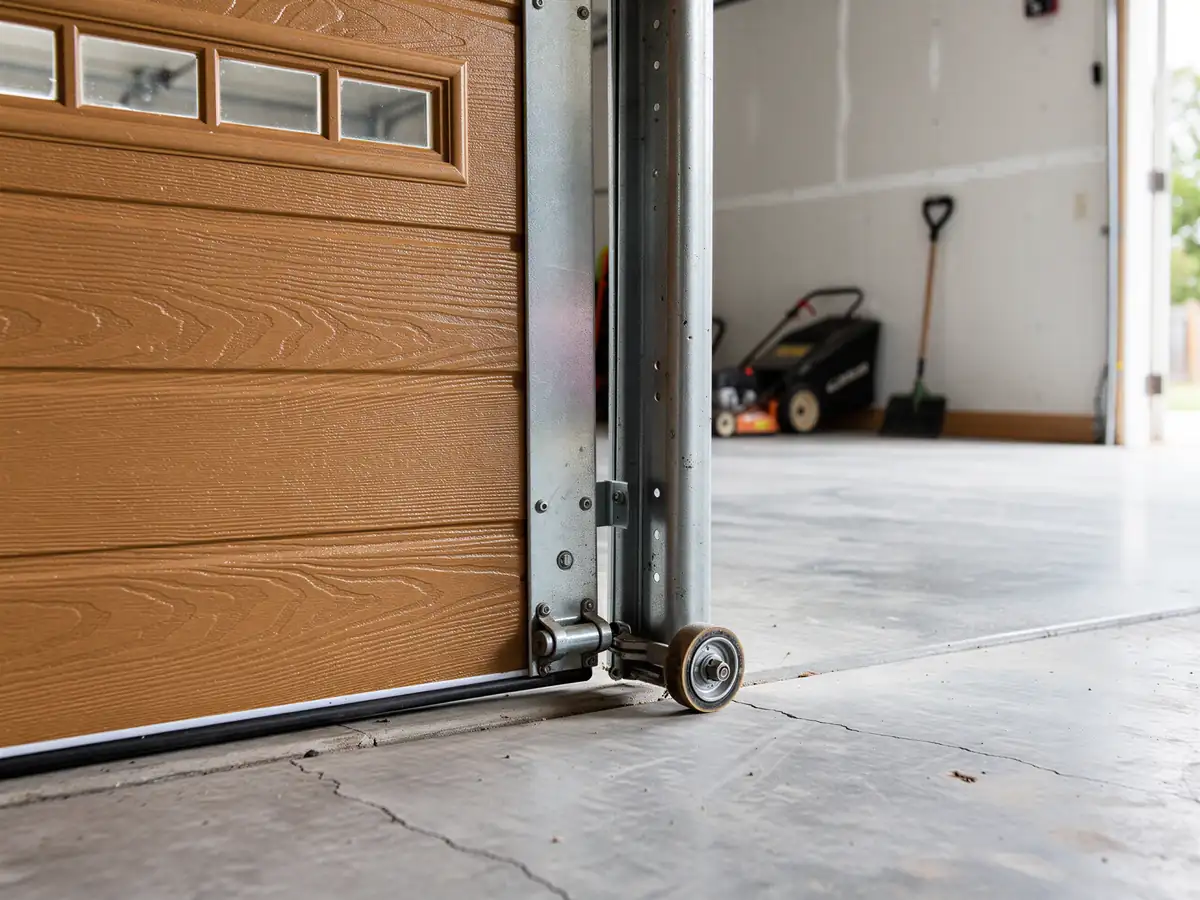
The mistake we see most is treating every symptom the same way - replacing an opener when the real problem is a worn spring making the opener strain, or replacing a whole door when one bent panel is the only thing actually wrong. On a door that's been in a house since the 1960s or 70s, it pays to separate the parts that age (springs, cables, rollers, weatherstripping) from the parts that usually don't (the frame, the track, often the panels themselves if they were never dented). The other mistake is waiting too long on the small stuff. A fraying cable or a spring that's lost tension doesn't fix itself with time in this climate - it gets worse at a steady rate. We won't talk anyone into replacing a door that still has good bones left in it, but we also won't tell you a cracked panel from fifty years of coastal air is a quick fix when it isn't.
How it works
From “it’s stuck” to “it’s fixed”
01
Tell us what’s wrong
Describe the symptom - won’t open, loud bang, opener runs but the door won’t move.
02
On-site diagnosis
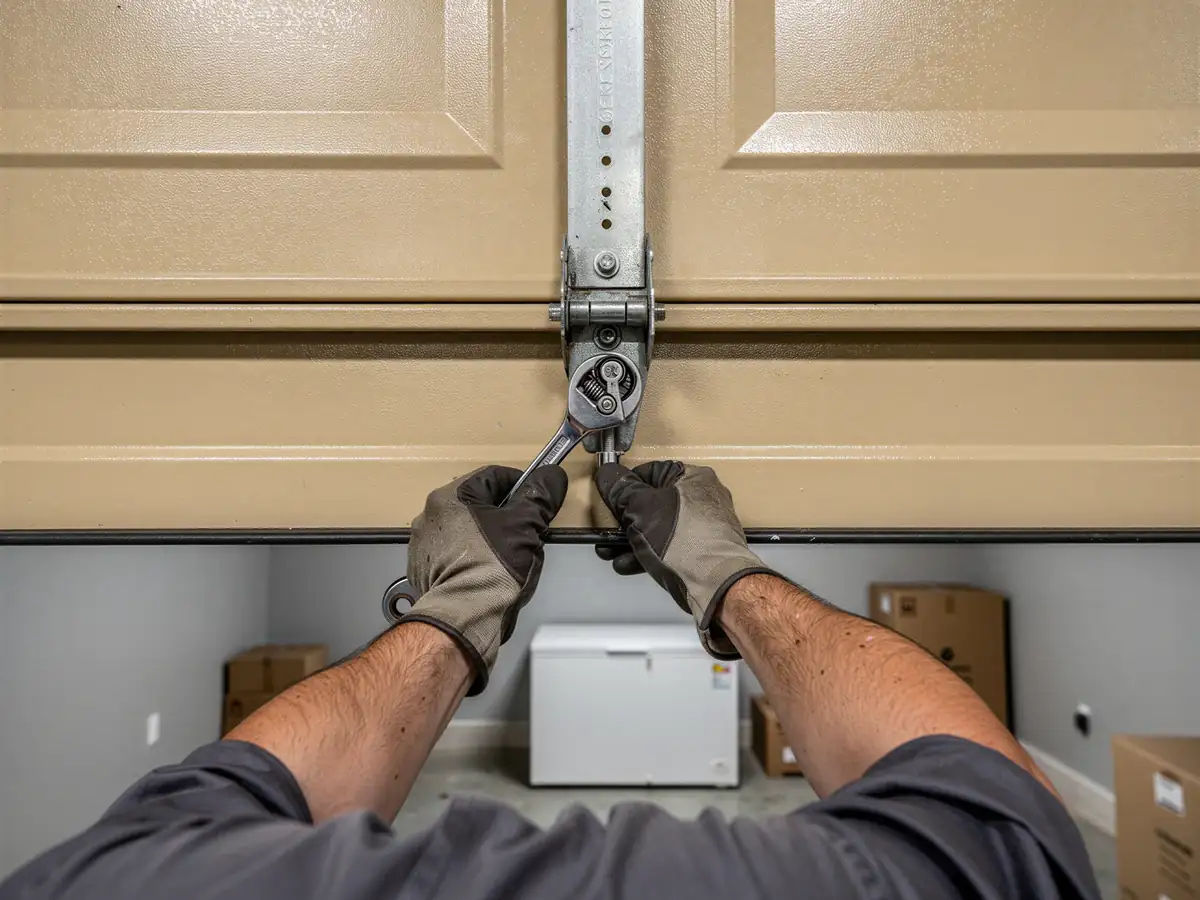
A technician tests the door under power and by hand and finds what actually failed.
03
Clear, up-front plan
You get the fix that’s needed and what drives the cost - before any work starts.
04
Repaired & tested
The repair is done, the door is set true and tested, and the work area left clean.
Not sure which repair your door needs in Aventura, FL? Describe what it’s doing - every job starts with a diagnosis.
My garage door is original to the house - is that a problem by itself?
Not on its own. Plenty of doors from the 1960s and 70s building era around here are still working fine. Age tells you to check the hardware more closely, not that something's wrong. We look at spring tension, roller wear, and track alignment before we talk about replacement.
Does Aventura's climate wear doors out faster?
The mild temperate climate here means no freeze-thaw cracking, which is easier on doors than a four-season climate. But the humidity works slowly on unprotected steel - hinges, fasteners, and spring coils - over the decades, especially on houses built in the 1960s-70s era that never had their original hardware replaced.
How do I know if it's worth repairing versus replacing?
Check the frame and track first - if they're square and the panels aren't rusted through or cracked, a spring and roller job usually gets another decade out of it. If the track's bent or panels are deteriorating from the inside, repair stops making sense and replacement is the honest answer.
Ready to get your garage door sorted?
Tell us what it’s doing and where you are in Aventura - we’ll take it from there.