How Long You Are Without the Door
A dead opener doesn't always mean a stuck door
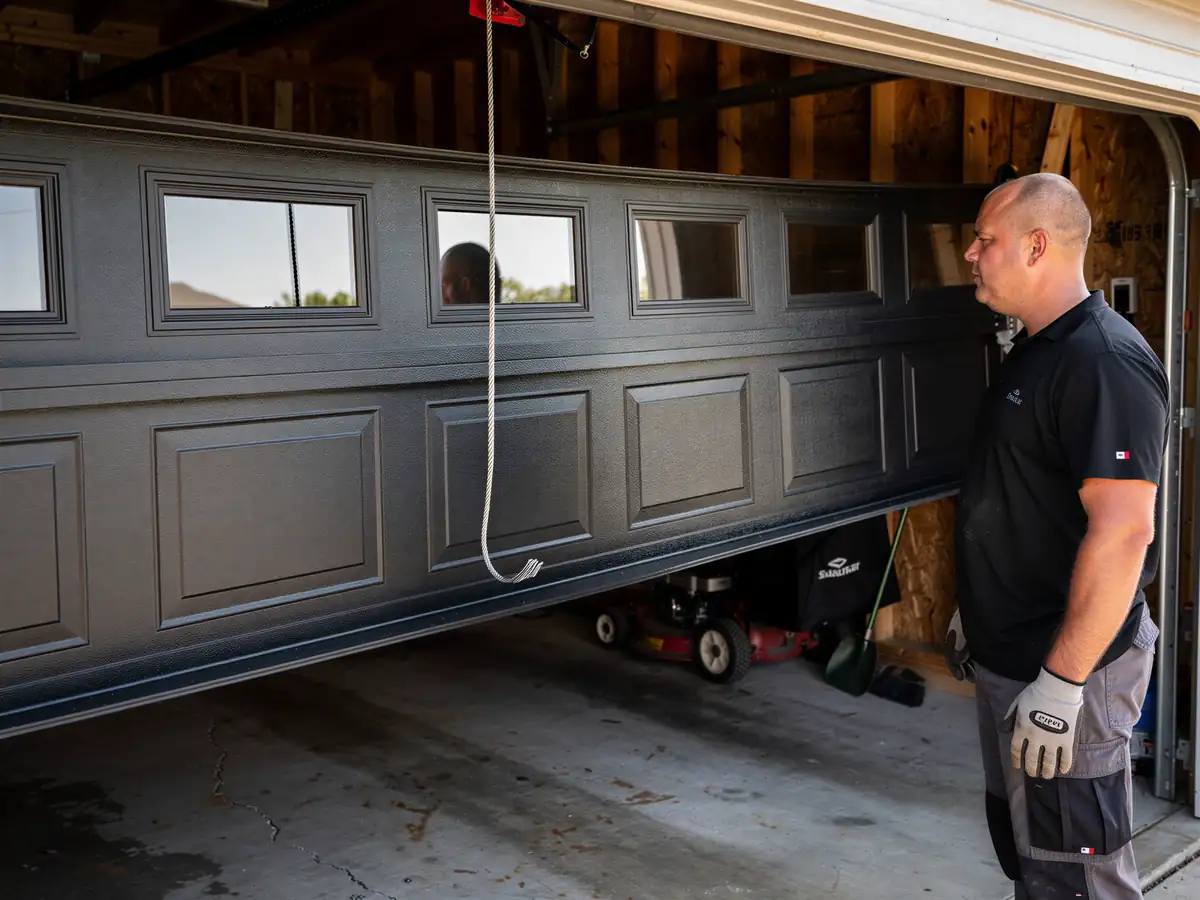
Most of the time the door itself still rolls fine on its track - the motor, the logic board, or the sensor eye is what quit. That matters because it changes how long you're actually stuck. A burnt-out capacitor or a tripped circuit board is often a same-visit fix once we know what we're looking at. A stripped gear or a opener old enough that the manufacturer no longer stocks boards for it is a different story - we may need to order a part, and on some units from the 1970s-80s era still in service here, that part doesn't exist anymore and the honest answer is a new opener, not a patched one.
We won't pretend every job is quick
If your opener is original to a house built in that long 1953-1992 window that covers most of this area, there's a real chance the unit predates the parts supply chain that exists now. That's the limitation worth knowing up front: we can diagnose fast, but we can't always repair fast if the part has to come from somewhere other than the truck.
Can You Do This Yourself
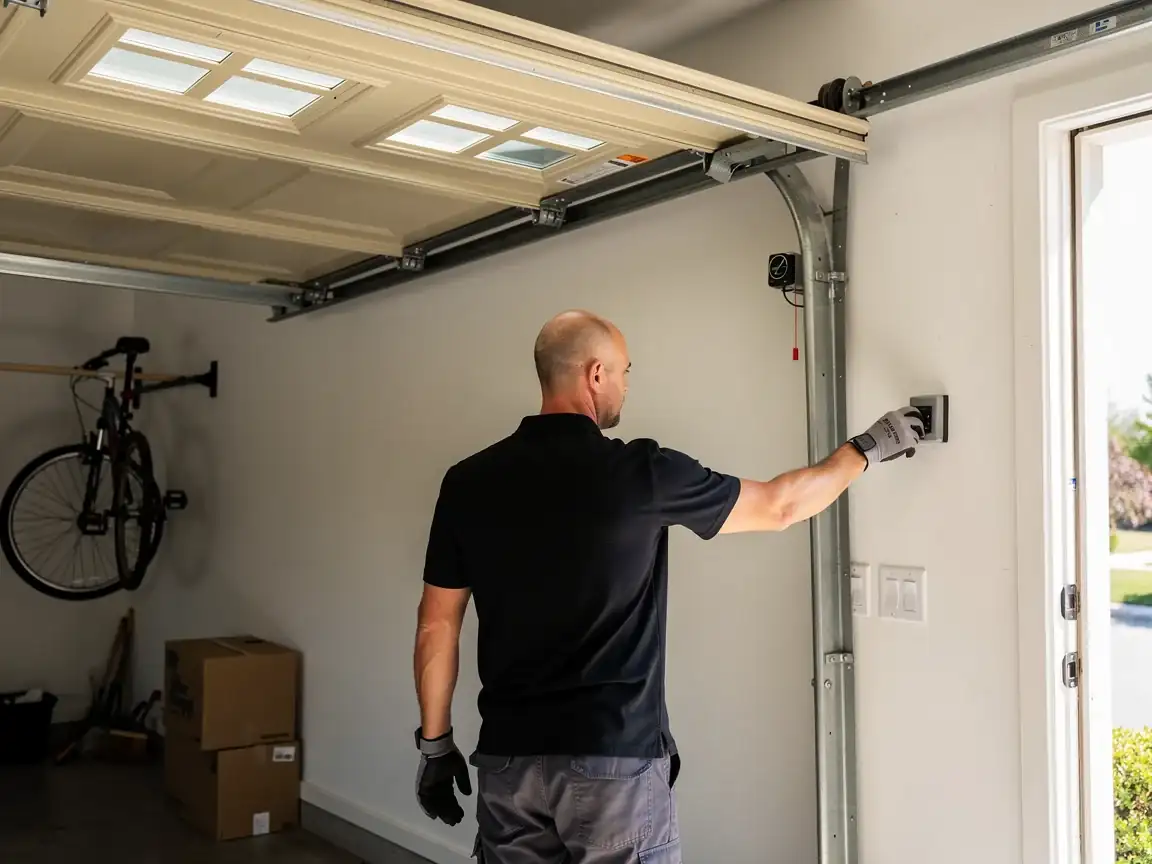
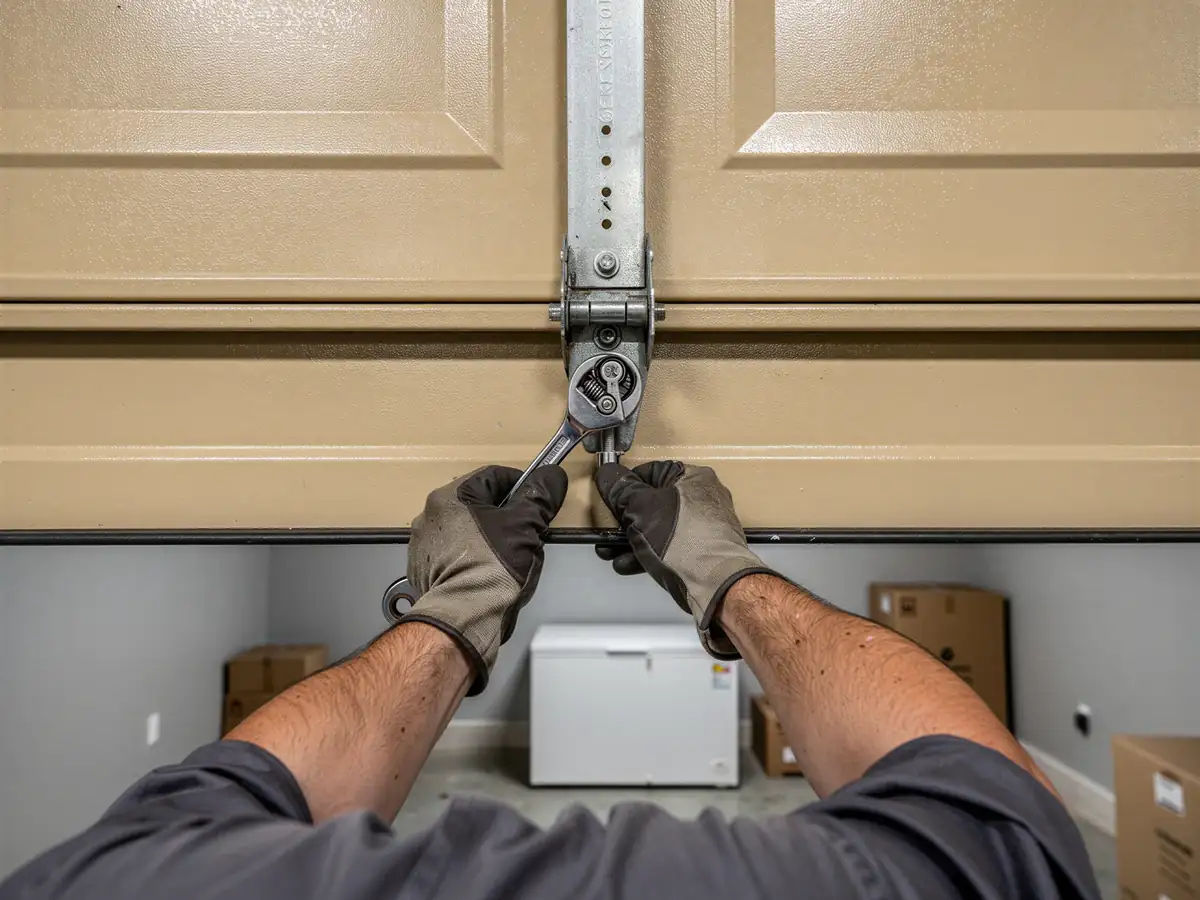
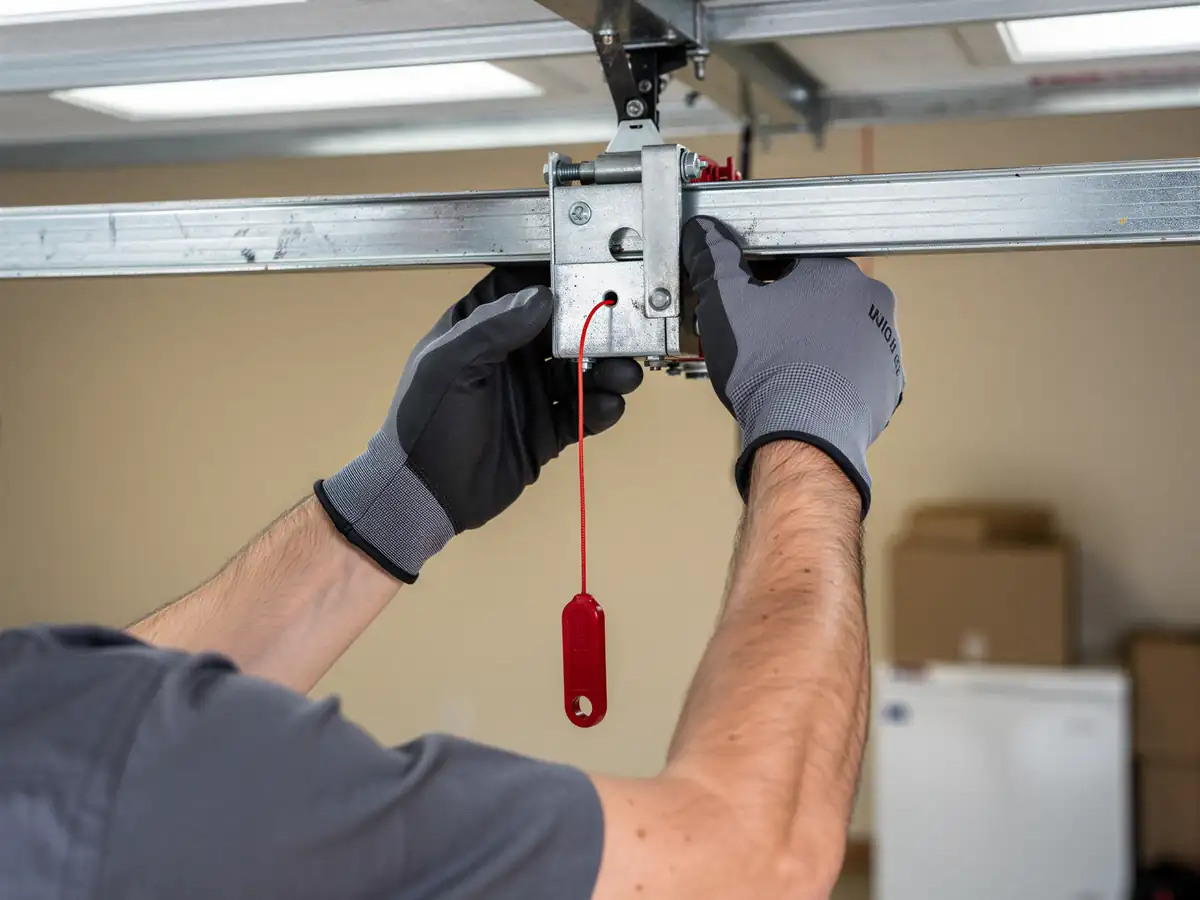
Some of it, yes. If the opener runs but the door won't respond, check the wall switch wiring, the remote batteries, and whether the sensor eyes at the bottom of the track are aligned and clean - sun glare and dust on the lenses is a common, boring cause and a five-minute fix. If the opener hums but the door doesn't move, that's usually the drive gear or belt, not something to open up yourself unless you're comfortable pulling the motor housing apart.
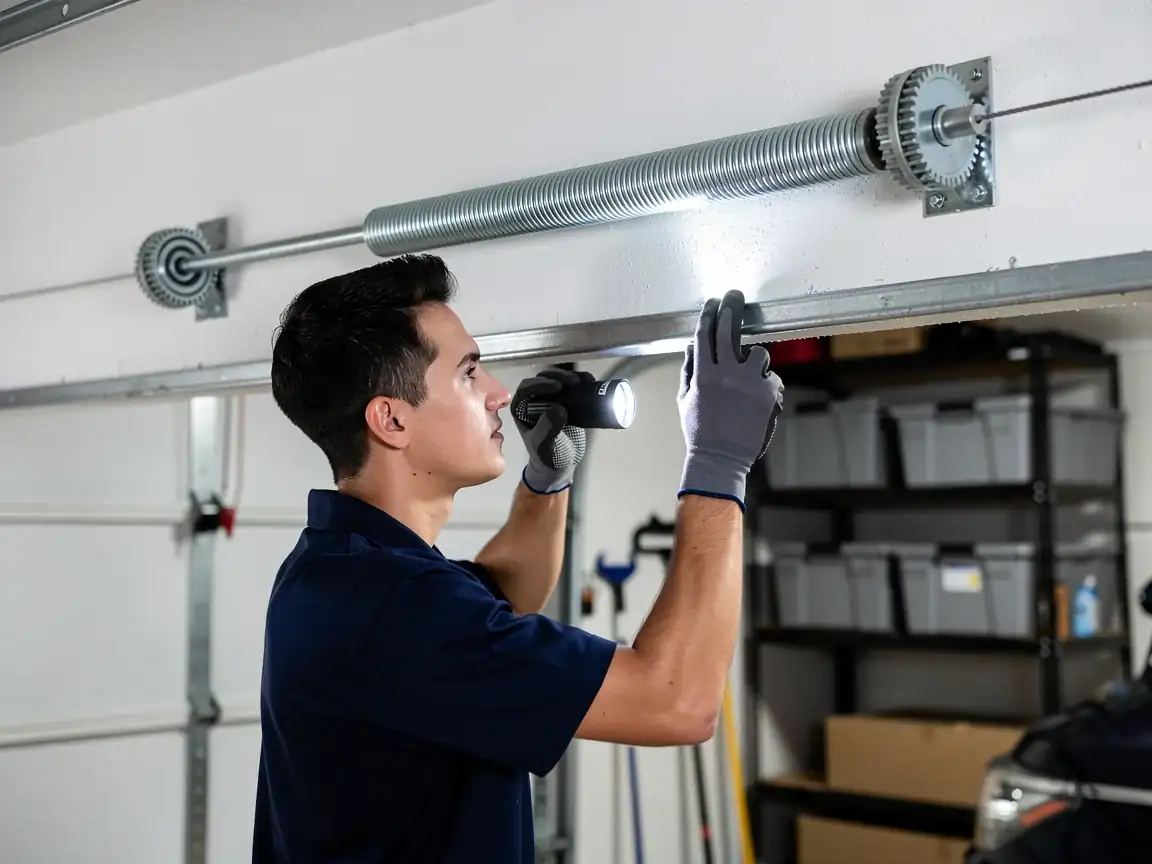
What you shouldn't touch: anything involving the torsion spring, the high-voltage side of the circuit board, or a door that's partway open and won't go further in either direction. Those jobs carry real injury risk and a wrong move can bend the track or snap a cable under tension. If the opener clicks, reverses, or runs the motor without moving the door, stop and call - that's a gear or capacitor problem, not a settings problem, and forcing it usually turns a $100 repair into a $400 one.
What Causes It Around Here
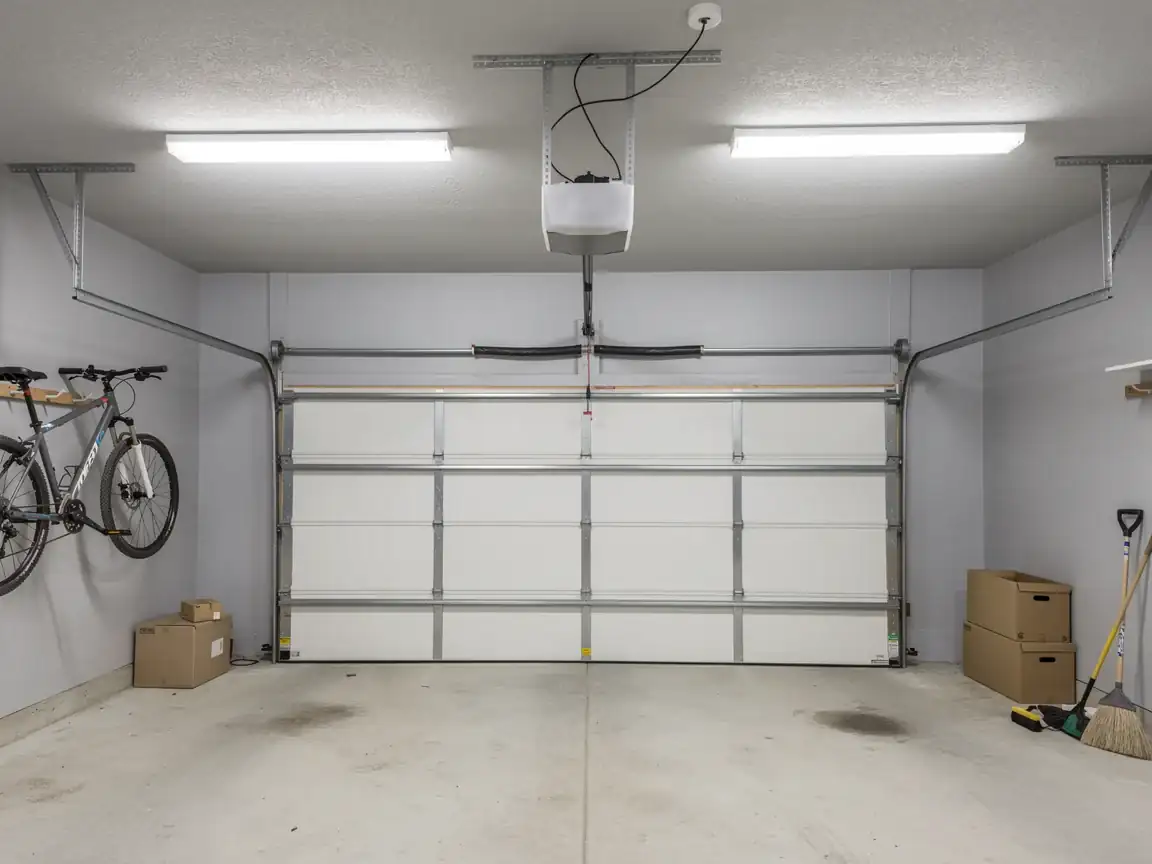
The housing stock across this service area was mostly built between 1953 and 1992, with the typical house dating to around 1971, and most neighborhoods sit squarely in that 1960s-70s construction wave. That age matters for openers specifically: a lot of units in these garages are the second or third opener installed on original rail and header hardware, which means mismatched mounting brackets and wiring that wasn't designed for the chain-drive or belt-drive motor now bolted to it.
The climate side matters just as much. This is a mild temperate band - no hard freezes, no ice on the track - but also no real cold season to slow down heat and humidity damage. Circuit boards and capacitors in garage-mounted openers take a steady beating from heat soak in an unventilated garage, and that kind of slow electrical failure looks different from the drivetrain wear you'd expect somewhere colder. We see board failures and corroded sensor contacts far more than frozen gears or cracked plastic from cold.
The result is a fairly consistent failure pattern: openers that ran fine for years suddenly won't hold a signal, or the motor runs hot and trips out mid-cycle. That's heat and age, not a one-off defect.
How It Shows Up
The door won't respond to the remote but the wall button works
That's almost always a remote battery or a frequency issue, not the opener itself. The opener runs its full motor cycle but the door barely moves, or moves then reverses - that's a gear or belt problem, common in units that are getting on in years. The light comes on but nothing else happens - check the logic board and the wall switch wiring before assuming the motor's dead.
We cover this pattern across the wider service area, not just one neighborhood
Homes from Sunny Isles Beach and Ojus a couple miles out, through Ives Estates and West Park, down to farther stops like Dania Beach, Miami Shores, and Sweetwater twenty miles south. With 164,090 households and 42,128 owner-occupied houses spread across that area, and a median household income of $59,989, most of what we see are owners who want a real repair when one makes sense, not an upsell to a new unit. The symptom list stays the same from one town to the next; what differs is just how old the specific opener in your garage happens to be.
- 164,090 households
- 42,128 owner-occupied
- $59,989 median household income