How It Shows Up
People search "Aventura garage door company" and picture something newer
But Ojus sits two miles inland with a housing stock that skews older than that name suggests. The median home here went up around 1970, right in the thick of the service area's 1953-1992 build window. That matters for rollers because a door from that era is more likely running steel rollers on steel track, not the nylon rollers that became standard later.
A steel roller on a 50-year-old track wears the track as much as itself
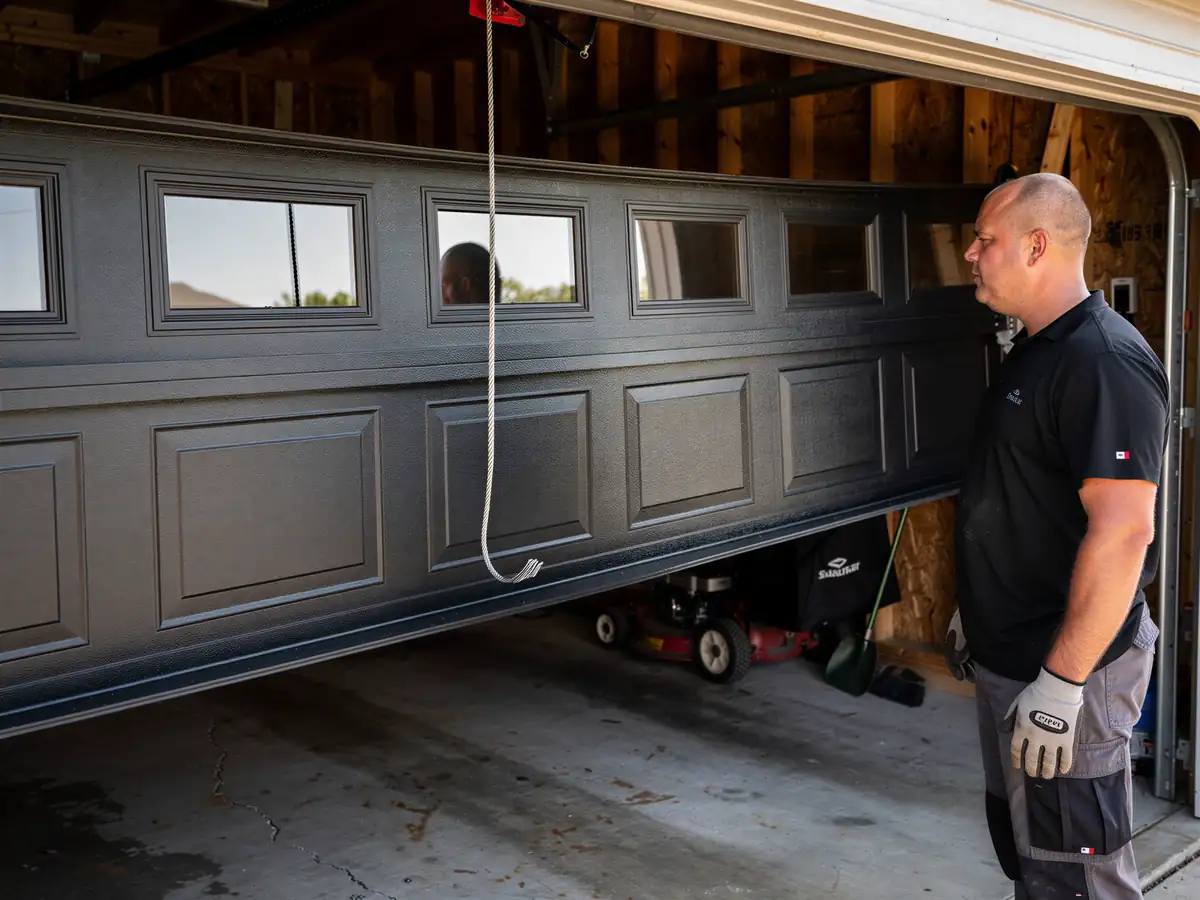
You'll hear a grinding or popping sound instead of the smoother squeak a nylon roller gives off before it quits. Some owners notice the door jerk at the same spot in the track every time, which is usually a flat spot worn into one roller, not the opener struggling. If the door binds hard on one side and the cable looks fine, the roller and the track groove it rides in are the first things worth checking, not the spring.
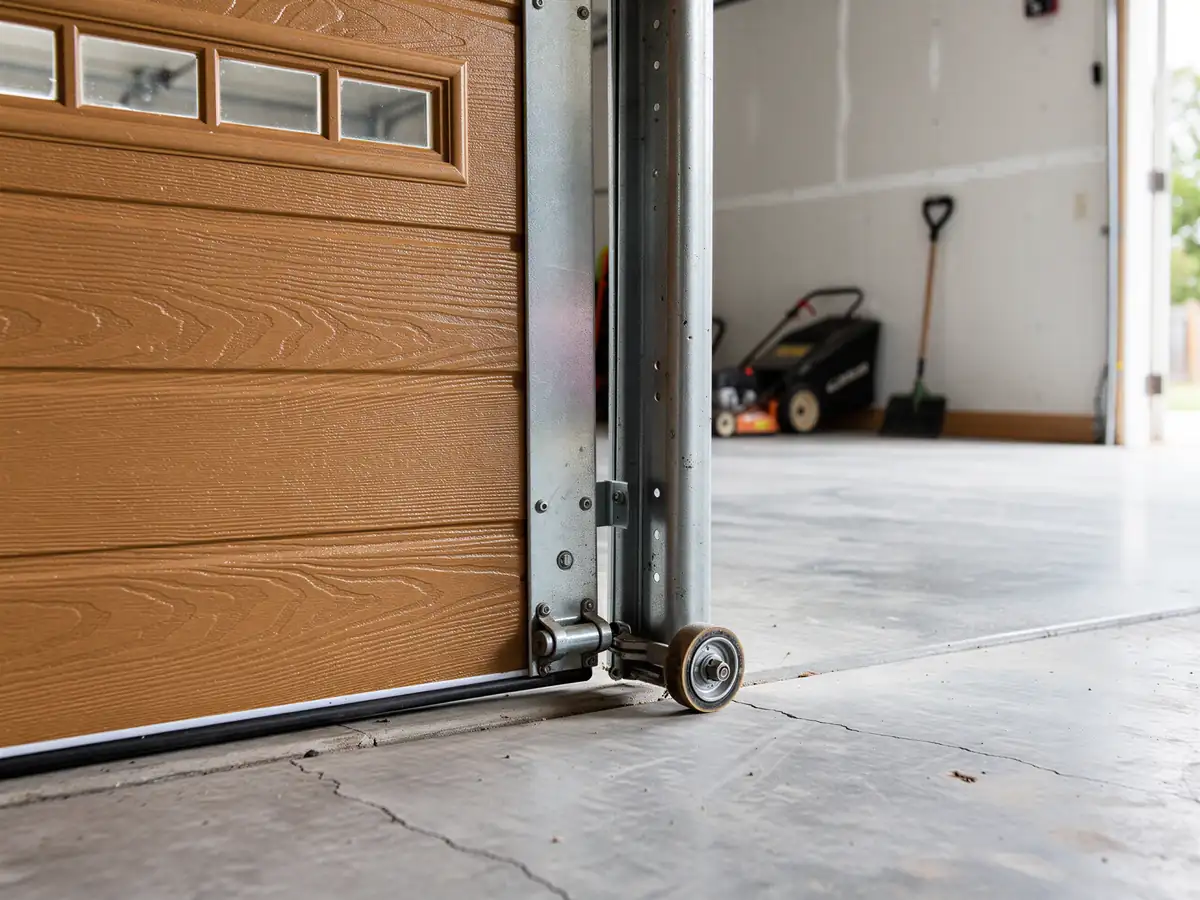
On these older doors the roller stems are sometimes a different gauge than what's sold off the shelf today
Which can add a few minutes to the job while the right stem gets matched to the hinge.
What It Costs
We don't have a published price list for this page, and giving you a number without seeing the door and its roller count would be a guess dressed up as a fact. What we can tell you is what drives the cost: how many of the ten rollers on a standard door need replacing, whether the track itself is grooved or rusted from decades of use, and whether the hinges holding those rollers are original 1970s stock or a later replacement.
Ojus households run a median income of $64,667, a bit above the wider service area's $59,989, but that doesn't set the price of a roller job - the door does. A full set of ten nylon rollers on a door in otherwise good shape is a different job than one roller plus a bent track section that's been grinding against it for months.
The honest limitation here: if the track is pitted or bowed from years of a bad roller riding in it, roller replacement alone won't fix the noise. That's a track job layered on top, and it costs more than swapping rollers by themselves.
What the Repair Takes
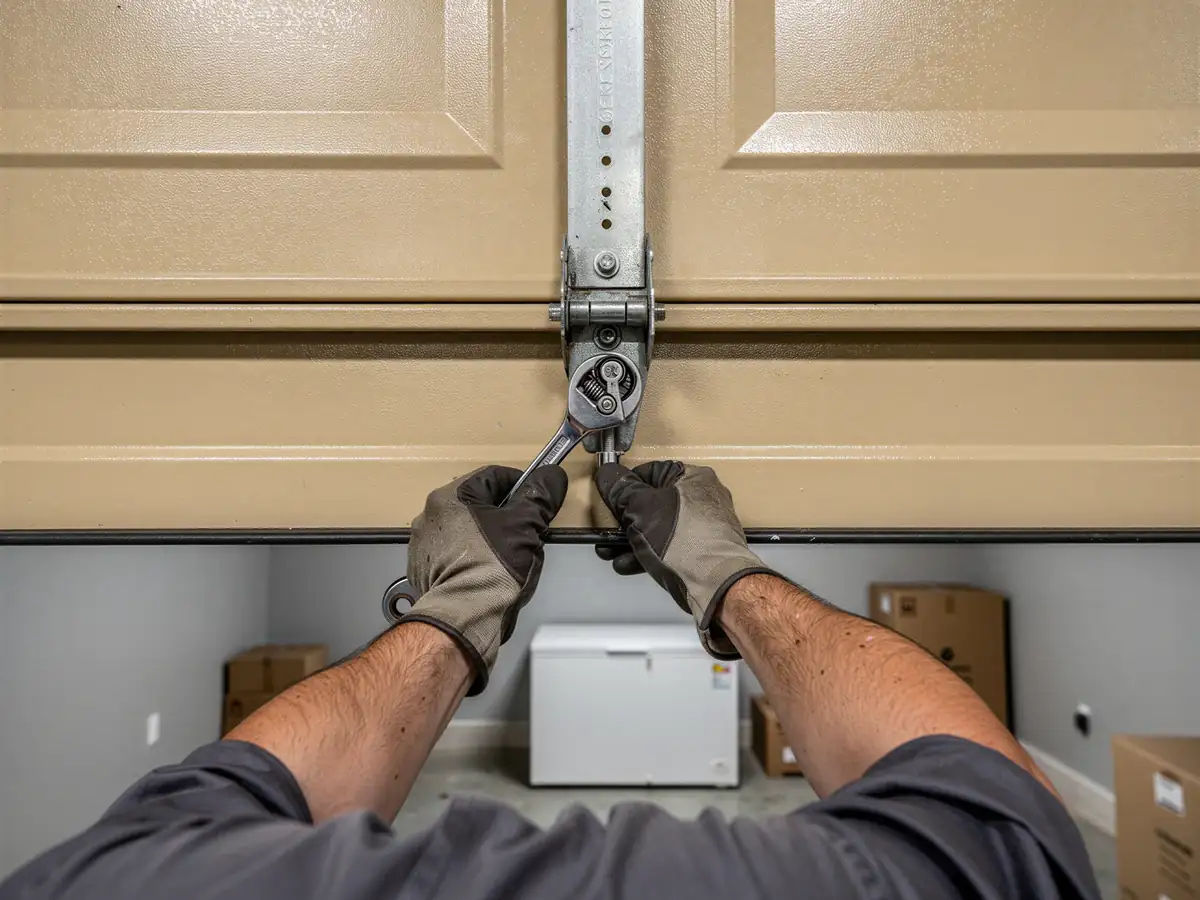
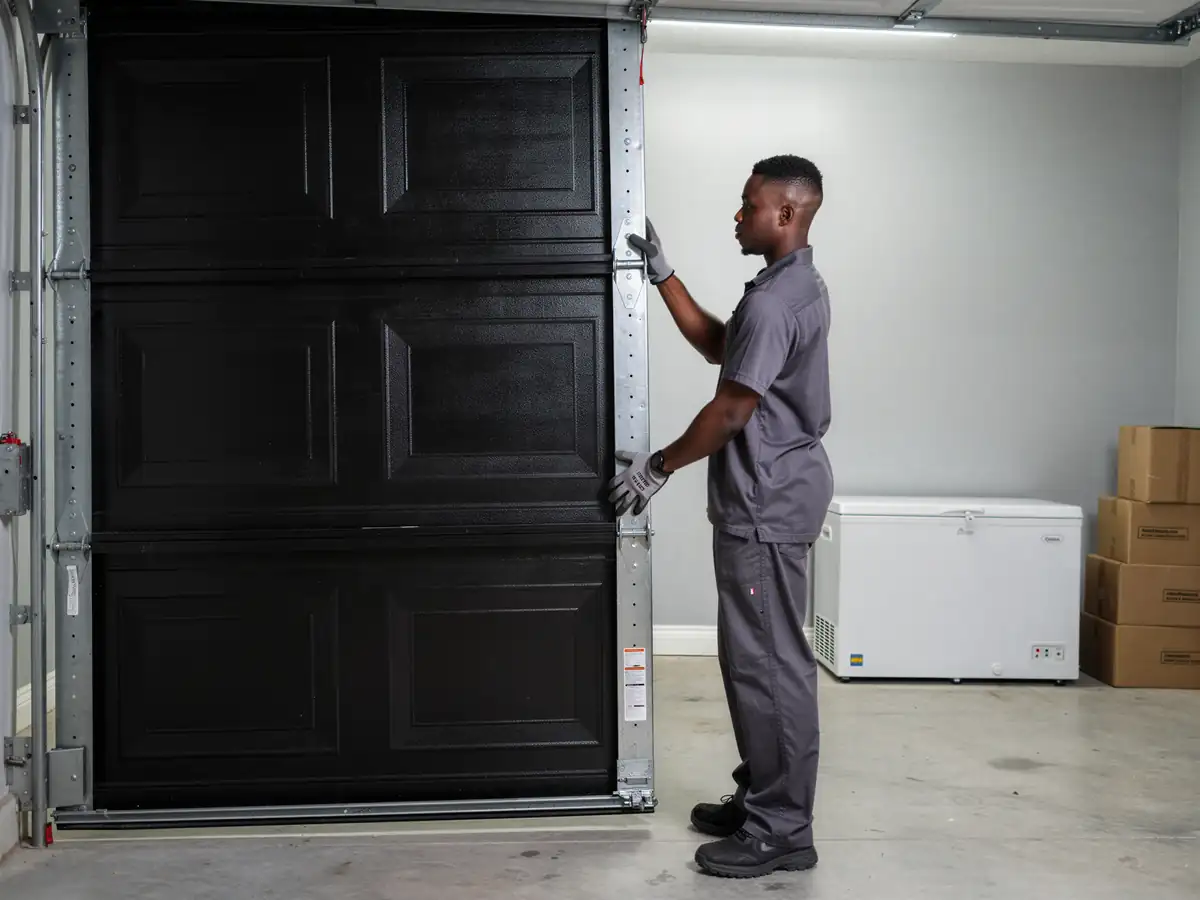
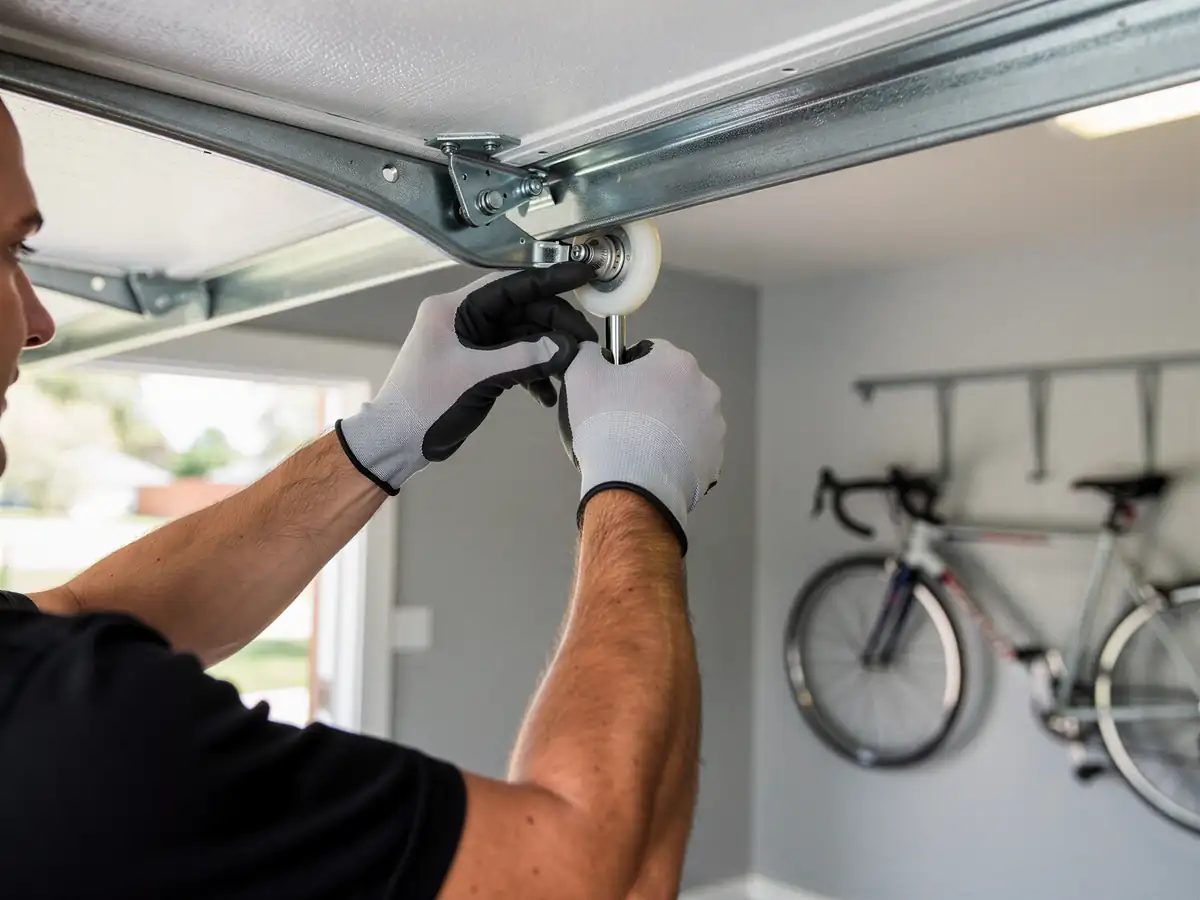
Pulling and replacing garage door rollers is mechanical, not electrical - the door comes off its hinges one section at a time, old rollers come out of the hinge brackets, new ones go in, and the door gets reseated in the track. On a door with original 1970s hardware, the hinge holes sometimes don't match a modern roller stem exactly, so the stem gauge gets matched by hand rather than grabbed off a generic parts shelf.
If the track itself is rusted or the groove is worn wide from a flat-spotted roller riding in it for a long stretch, the track gets checked and sometimes adjusted or swapped at the same time, since a new roller in a bad track just wears out again.
We test the door through a full open-close cycle before calling it done, listening for the grind or jerk that brought the call in the first place. A quiet door on the test run is the actual sign of a finished job, not just new parts installed.
How Long You Are Without the Door
We travel from Aventura to cover Ojus, two miles out, and we don't operate a separate branch or dispatch point here
That's worth knowing because it's the same crew and the same truck stock covering both. We're not going to promise a response window on this page since that's a company-wide number, not a Ojus-specific one, and it belongs on the main service page, not repeated here.
What we can say locally
A door that's grinding but still opening isn't an emergency, and most roller jobs here get scheduled rather than rushed. A door that's jumped the track or won't open at all is a different situation, and that's worth a same-day call regardless of which side of the service area you're on.
What Causes It Around Here
Most of what wears out rollers in Ojus is age and cycle count, not weather - the climate here is mild temperate year-round, so you're not dealing with the freeze-thaw cracking that splits plastic rollers in colder regions. What you are dealing with is a door built around 1970 that's been opening and closing for five decades on hardware that was never meant to last that long.
Steel rollers without sealed bearings wear fastest, since grit works its way into the roller over the years and grinds it from the inside. A door that's been repainted or had its spring replaced over the decades but never had the rollers touched is a common setup here - everyone remembers the big part, nobody budgets for the small one. That's usually what's riding in the track when we get the call.