What It Costs
We're not going to list numbers that don't belong on your door, because a 1953 torsion setup and a 1985 extension setup don't fetch the same part at the same price, and we haven't seen your hardware yet. What drives the number for a Miami Shores job is usually age: if the spring, drum, or track is original to a house built when Eisenhower was in office, parts sourcing takes longer and costs more than a job in a subdivision built in the 1980s. Median household income here runs well above the wider service area's $59,989 figure, which tells us something about the houses - larger doors, heavier panels, sometimes custom widths that cost more to match. We'll give you the actual number after we've looked at the door, not before, because quoting blind on a house this old is how companies end up upselling a repair that should've been a straight parts swap, or worse, under-quoting and padding the bill later.
How It Shows Up
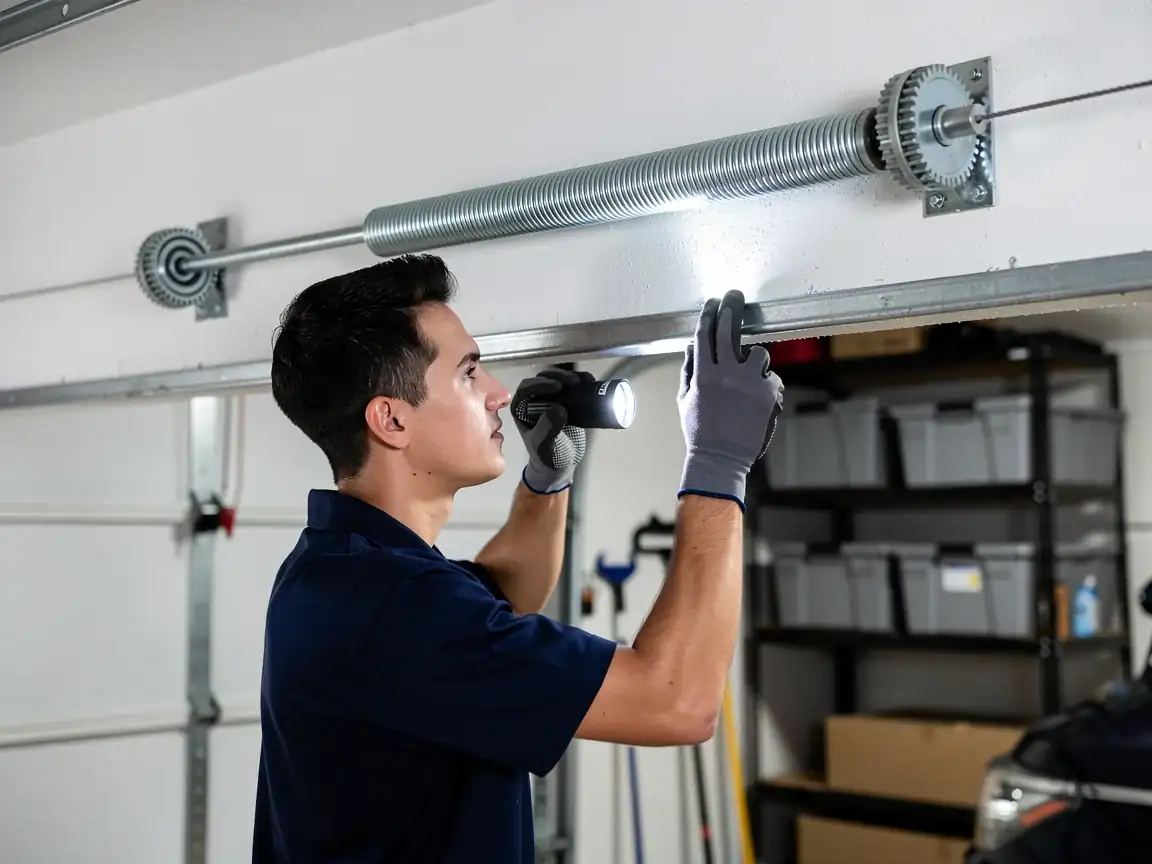
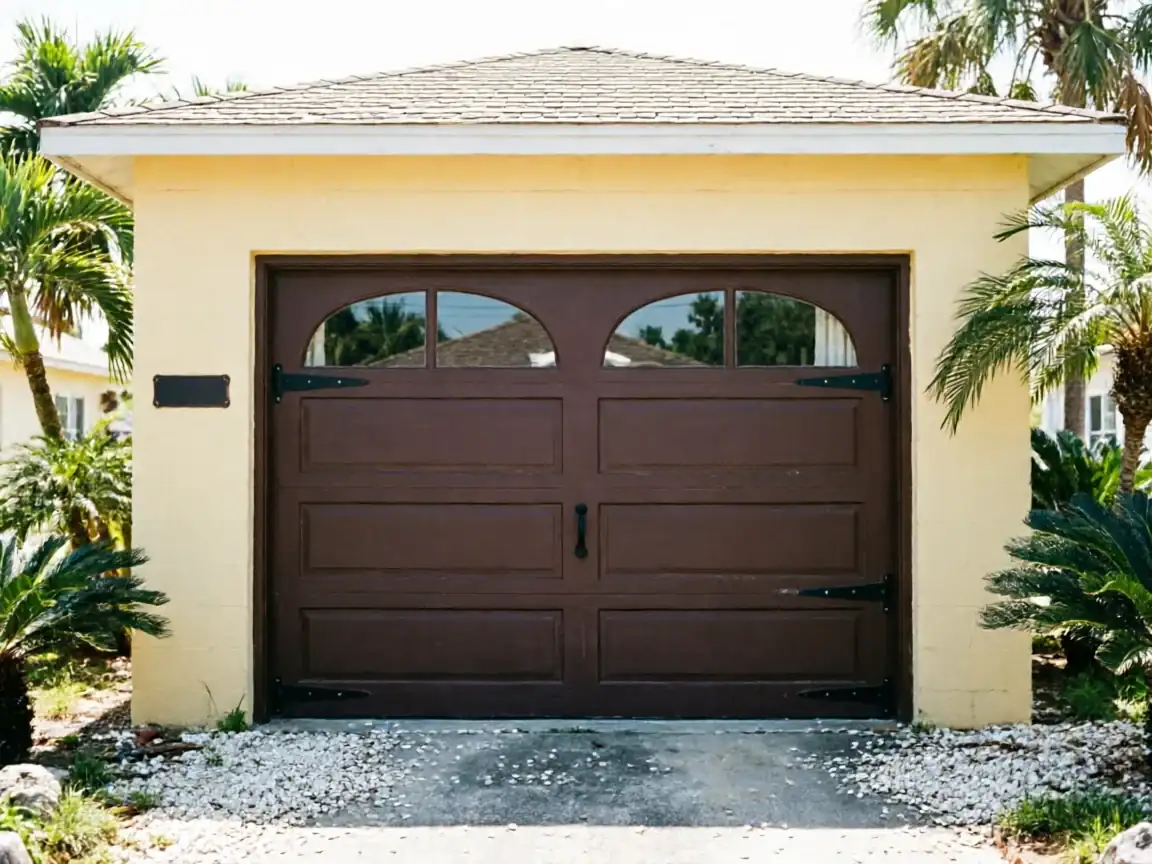
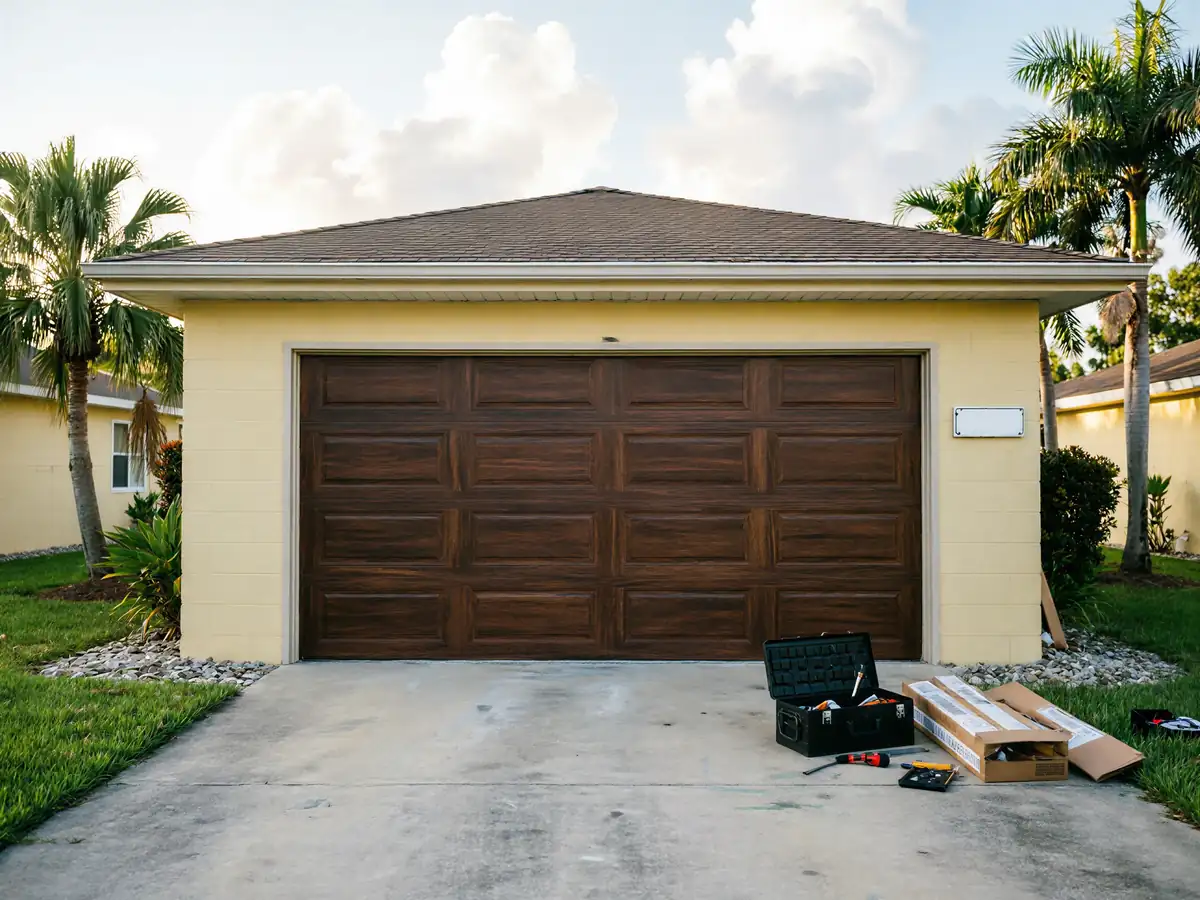
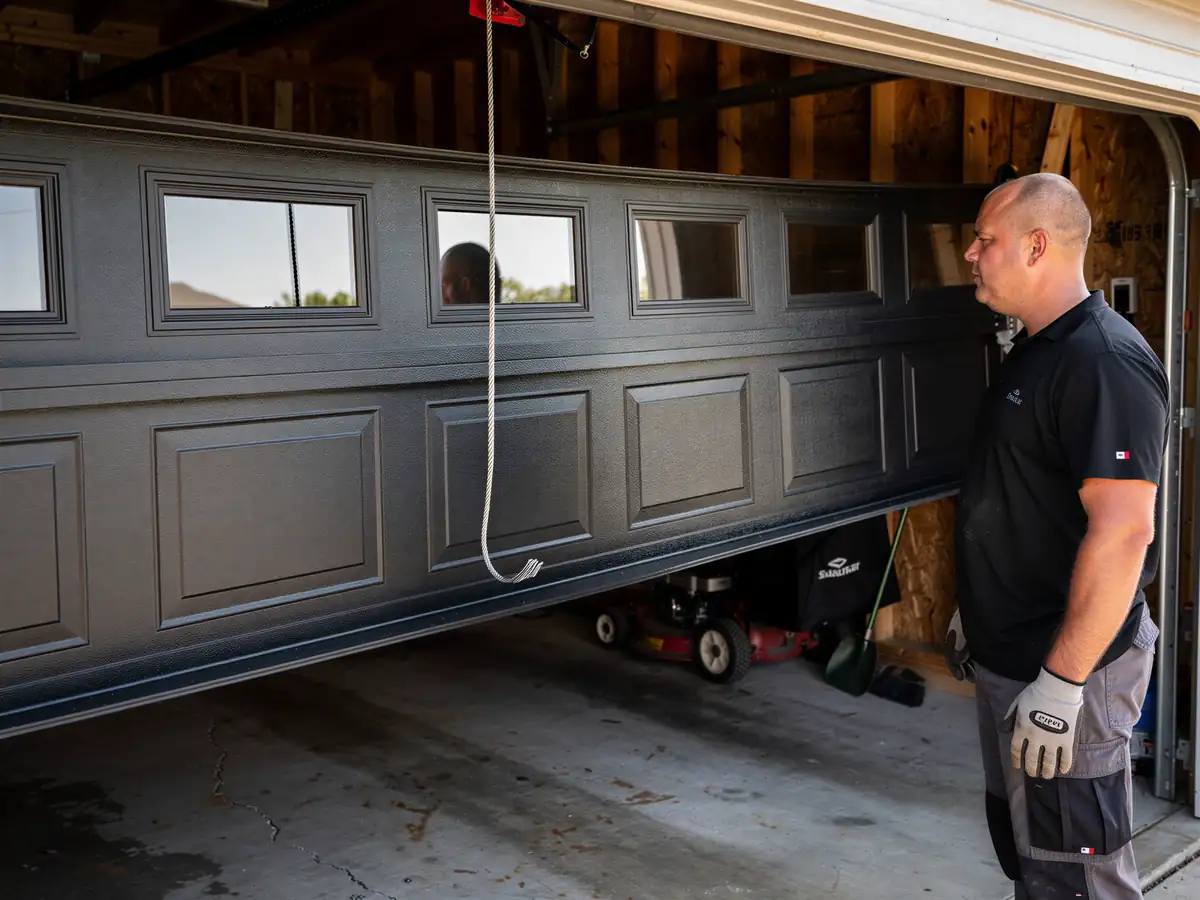
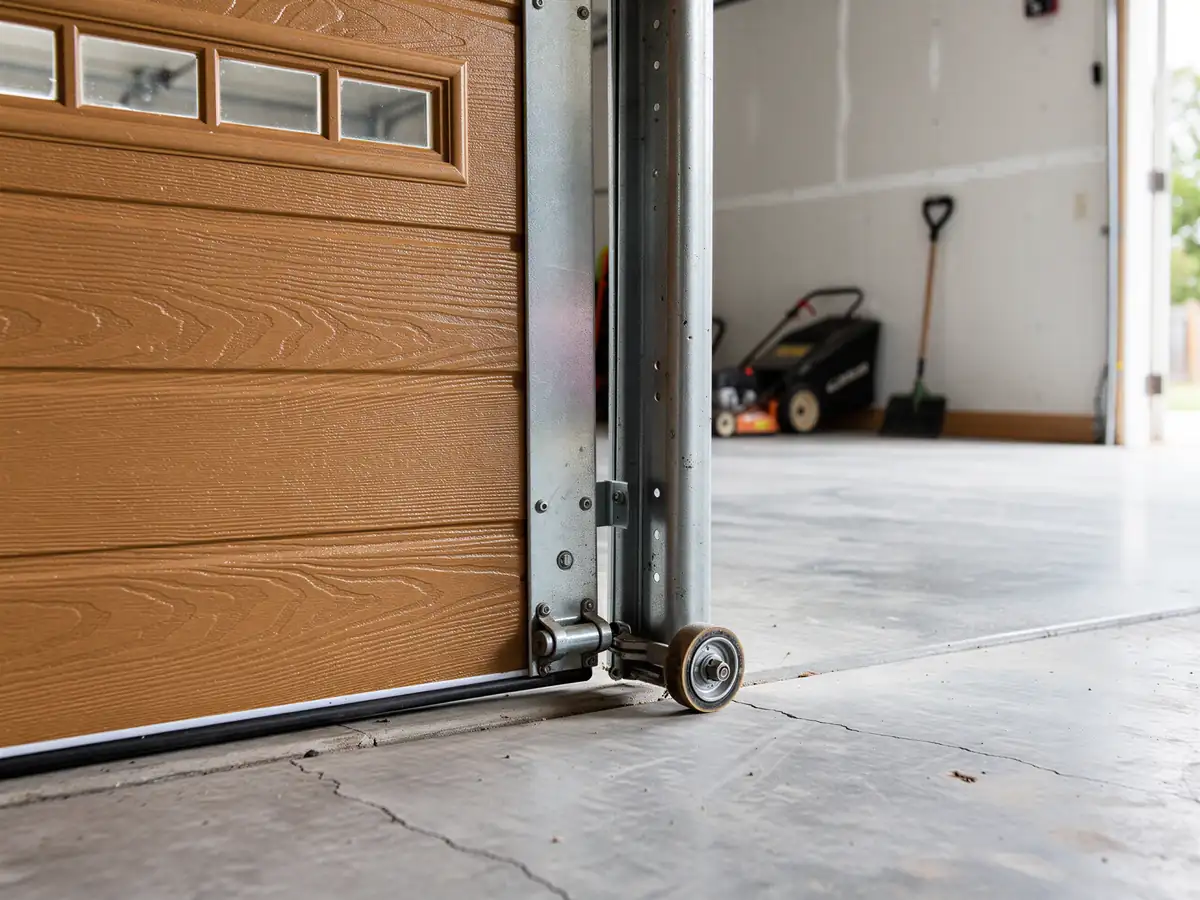
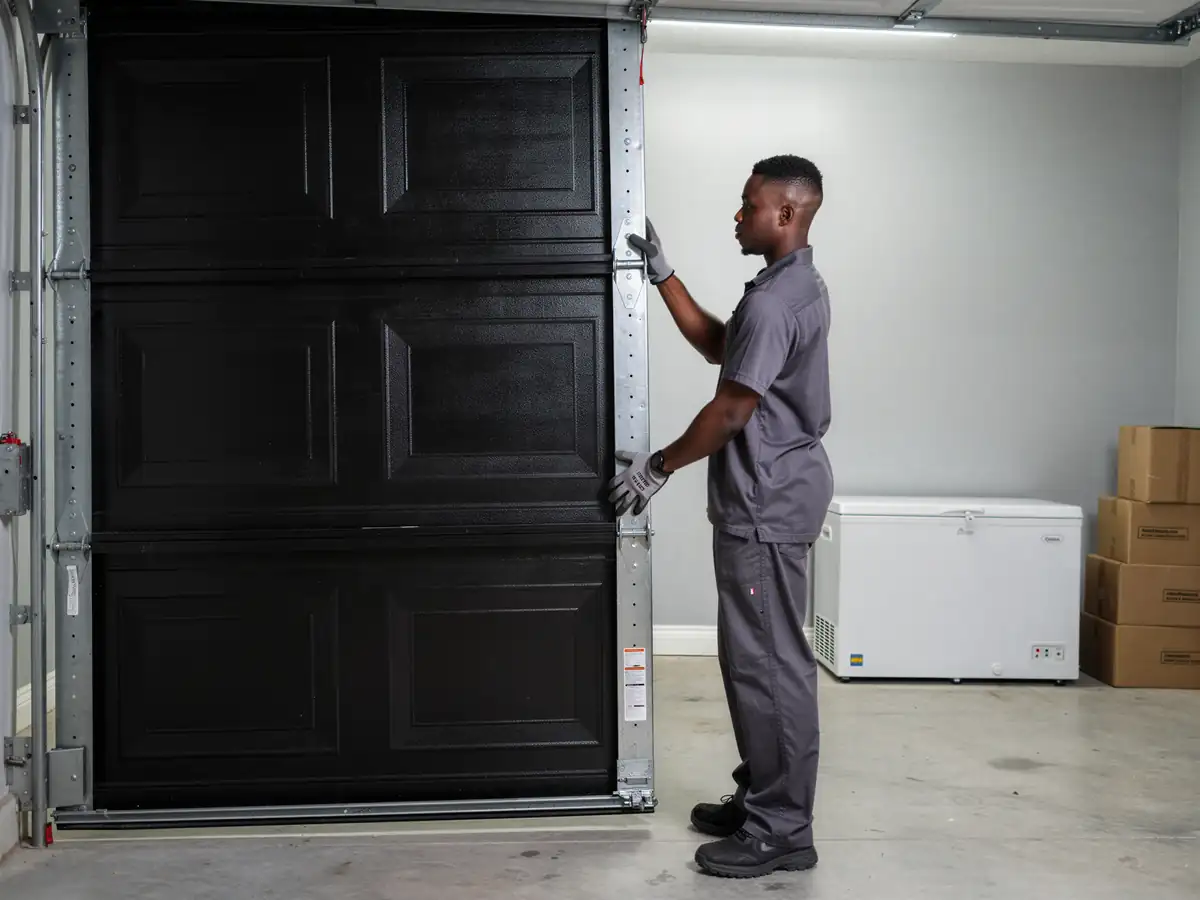
On a house built in 1953, the failure pattern looks different from a 1980s build. The springs on original torsion setups have usually been replaced once or twice already, but the drums and shafts are often still factory, and those wear in ways that show up as a grinding noise on the way up rather than a clean snap. Tracks on these older one- or two-car doors tend to be narrower than current stock, so a door that's slightly out of alignment binds hard instead of just rattling - you'll hear the opener strain before the door even moves. We also see a lot of panel rust and seam separation on these early builds, since the original steel gauge was thinner than what's sold today. None of this is unique to any one house, but it's consistent enough across the 1950s-era stock in this pocket of the service area that it's usually our first guess before we've even opened the toolbox.
Parts We Carry
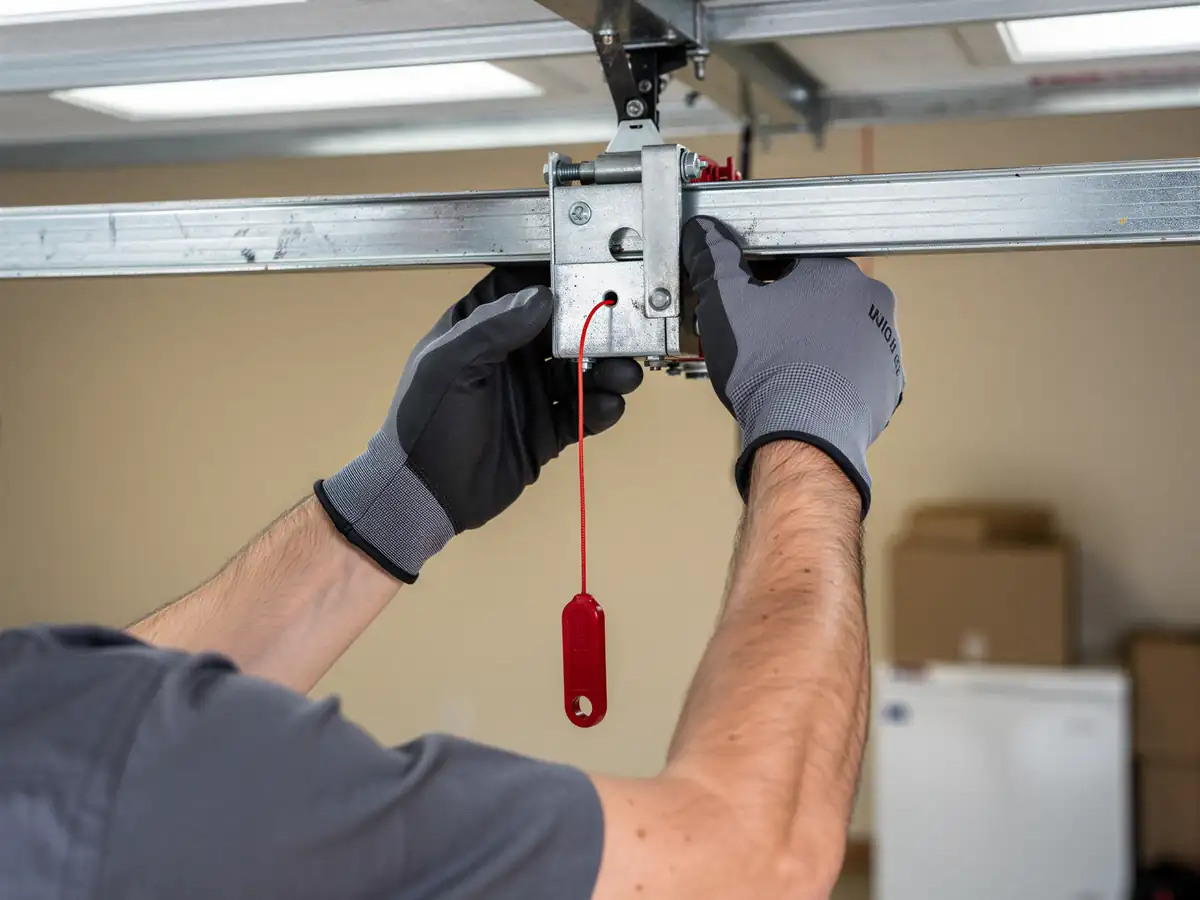
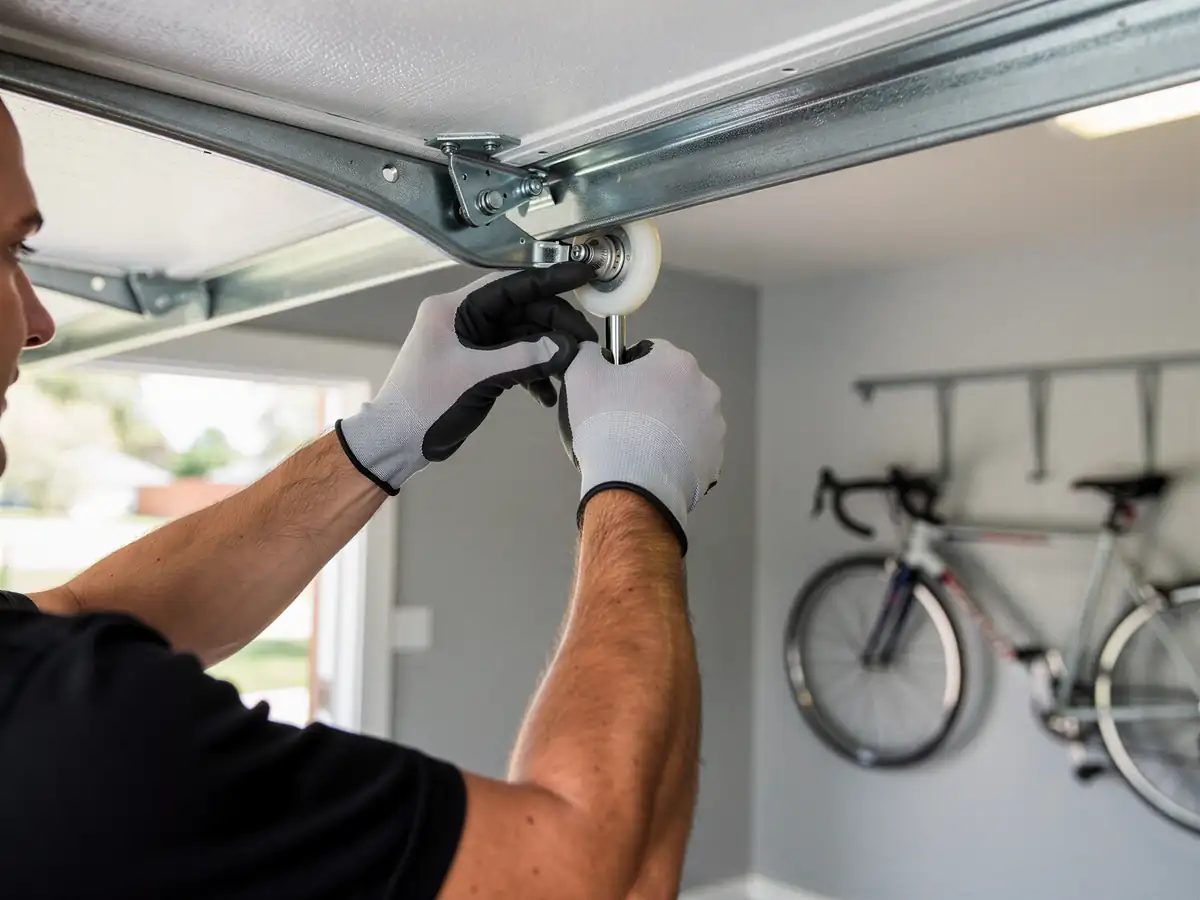
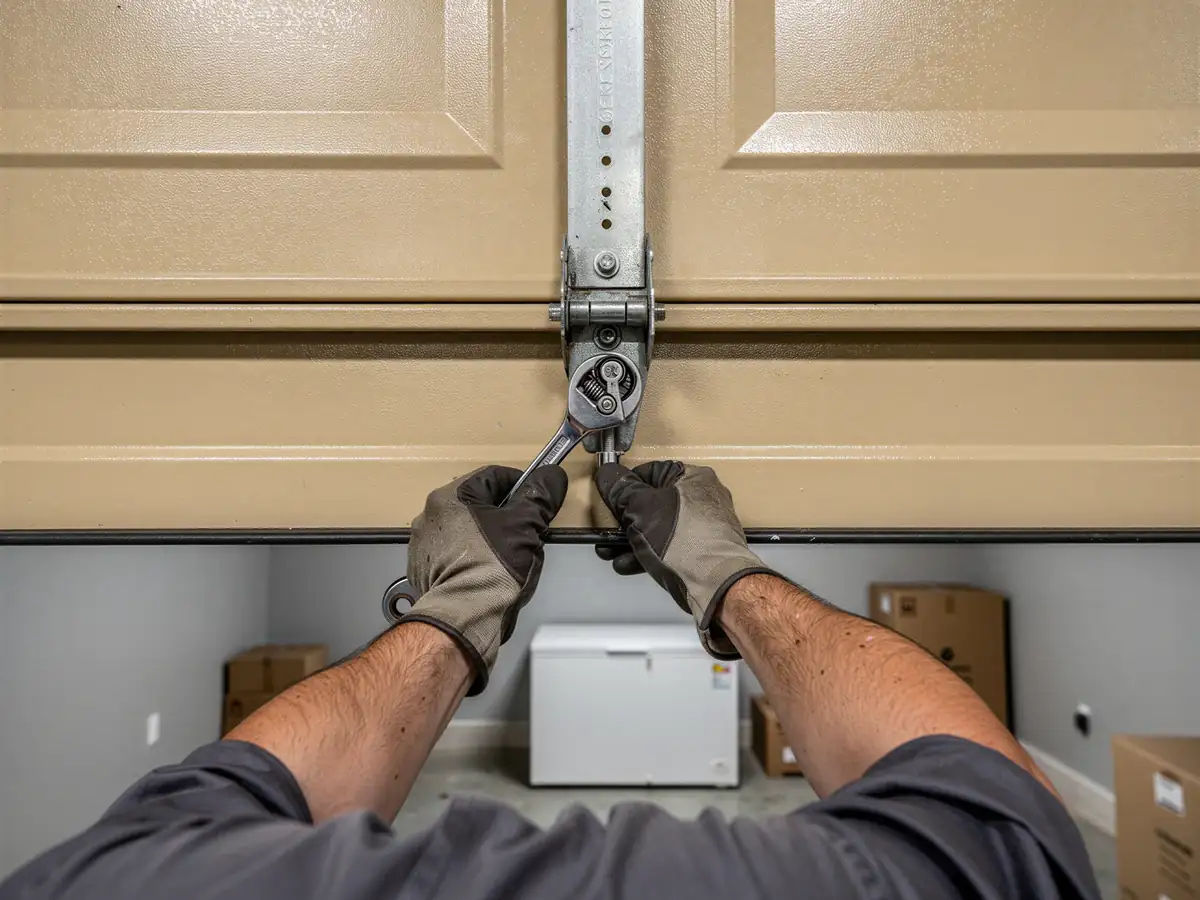
We stock the common torsion and extension springs, standard-width tracks, steel rollers, and cables that cover the bulk of residential doors across the service area, including the sizing that shows up most often on houses built in the 1960s and 70s. For the earlier stock concentrated in pockets like Miami Shores, where the median house dates closer to 1953, we carry some of the narrower-track hardware and older drum sizes, but not every original fitting - some of what was installed when these houses were built simply isn't manufactured anymore, and when that's the case, the honest move is a compatible upgrade rather than chasing an exact match. We'll walk you through both options on site, with the actual part in hand, before anything gets installed.