Can You Do This Yourself
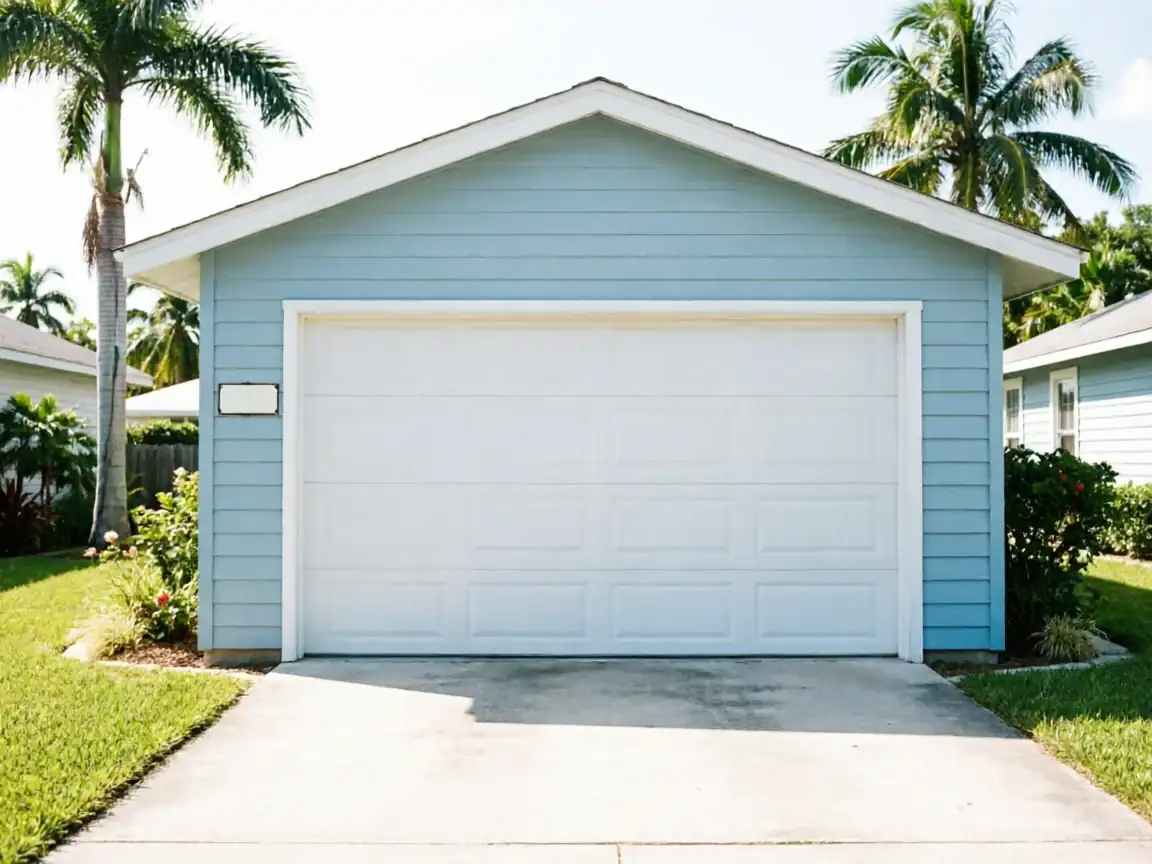
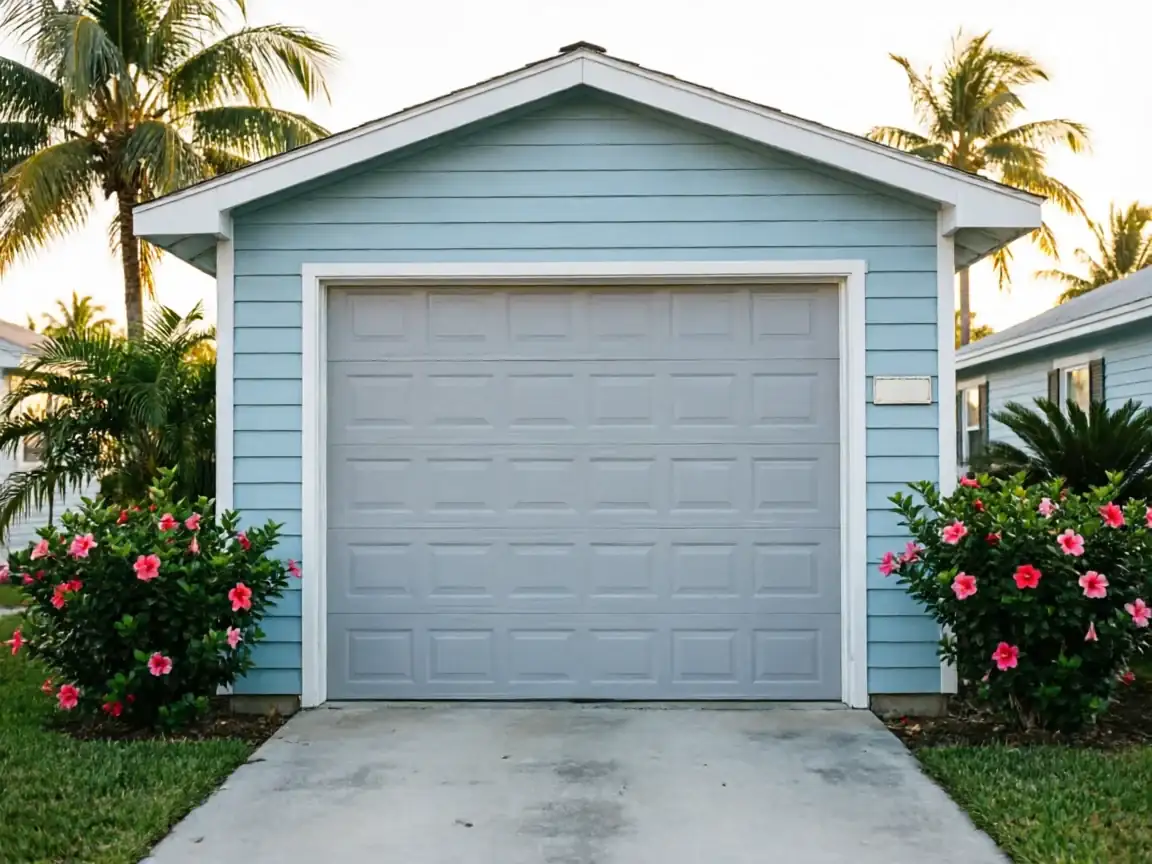
Miami Shores carries a median build year of 1953
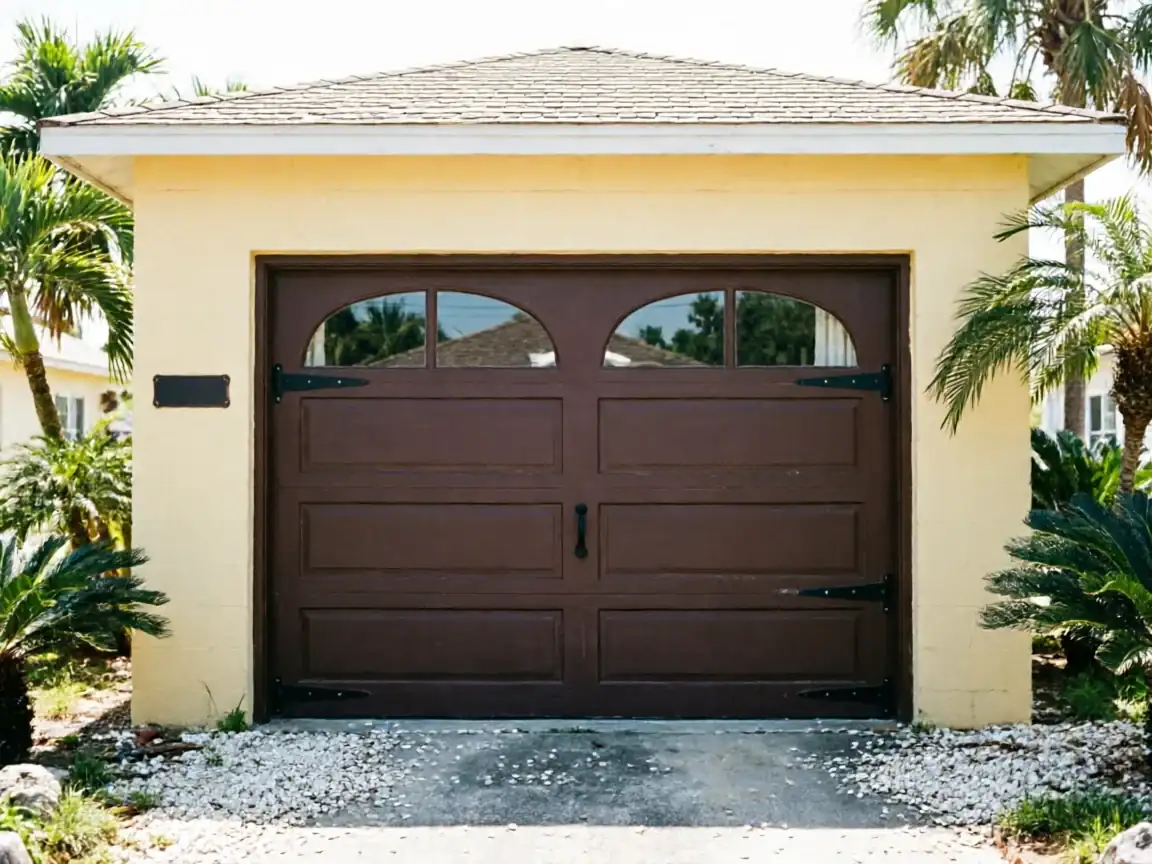
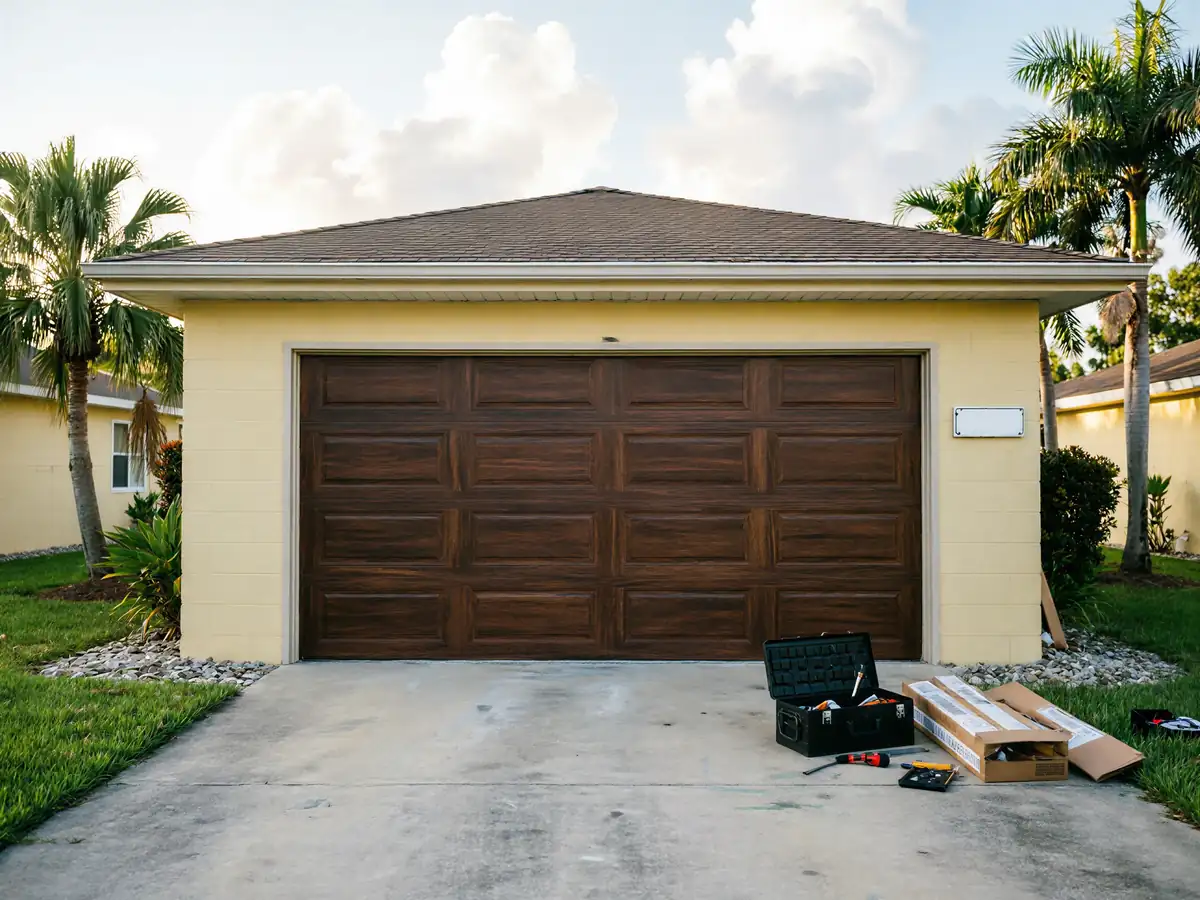
Which puts it well ahead of the broader service area's 1971 median and squarely in the window where a garage door has had one of two histories: it's the original unit from the build, or it was swapped once sometime in the 70s or 80s and never touched again. Either way, you're not dealing with a modern sectional door and a modern track system. The jamb width, the header clearance, and the track radius on a house this old were all set to a spec nobody uses anymore.
A determined homeowner can hang a pre-hung modern door kit on a newer house without much drama
On a 1953 structure, you're guessing at header height, often finding the opening isn't square after seven decades of settling, and discovering the electrical for an opener wasn't run anywhere near the door. We're not saying it can't be done. We're saying the measuring and squaring work takes longer here than the install itself, and that's where a weekend project turns into three weekends.
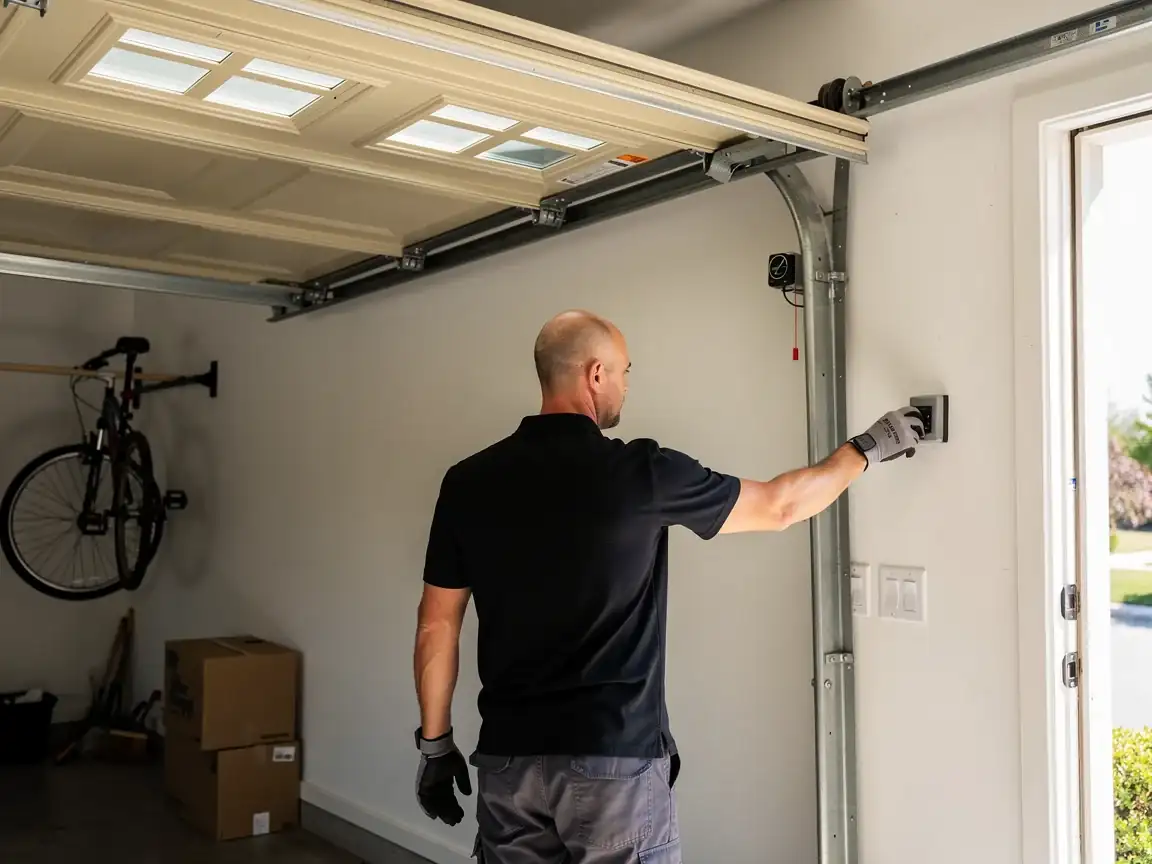
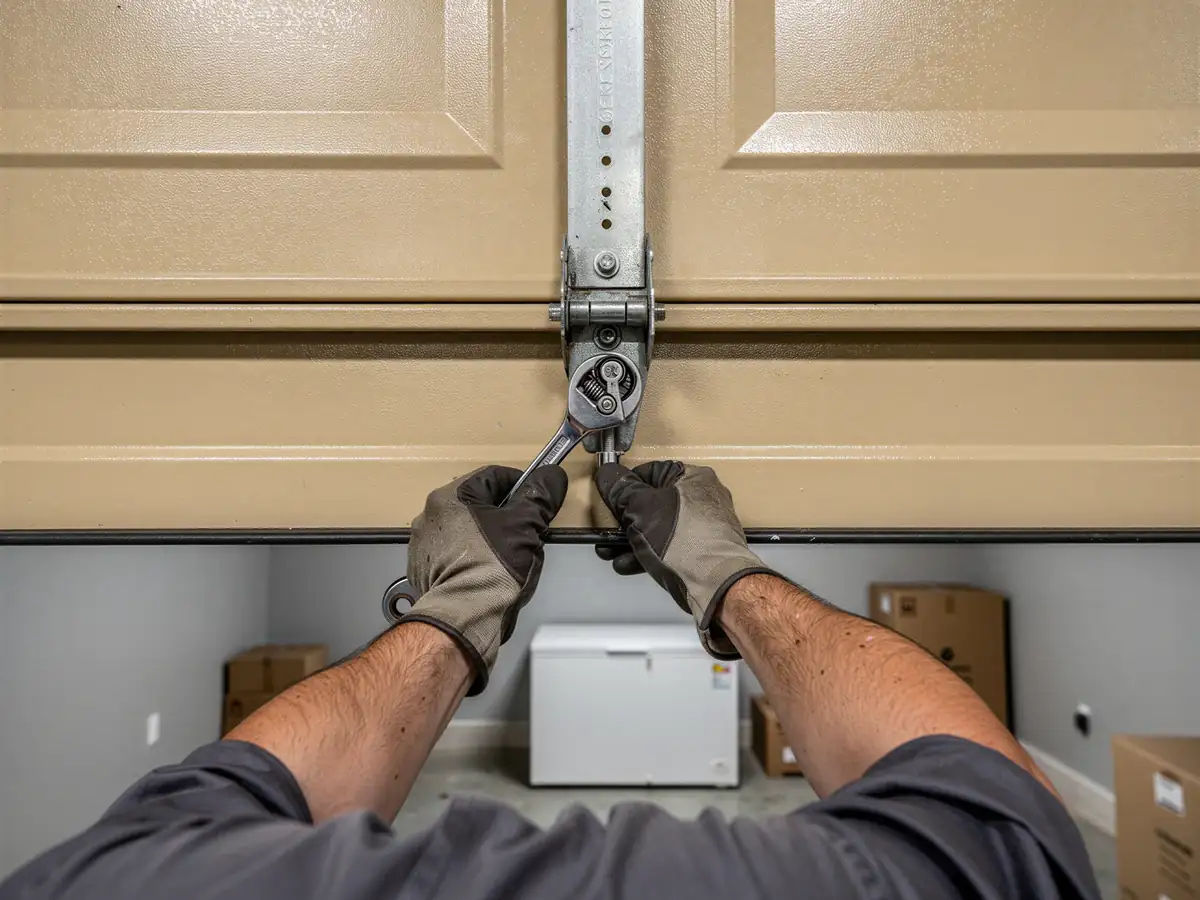
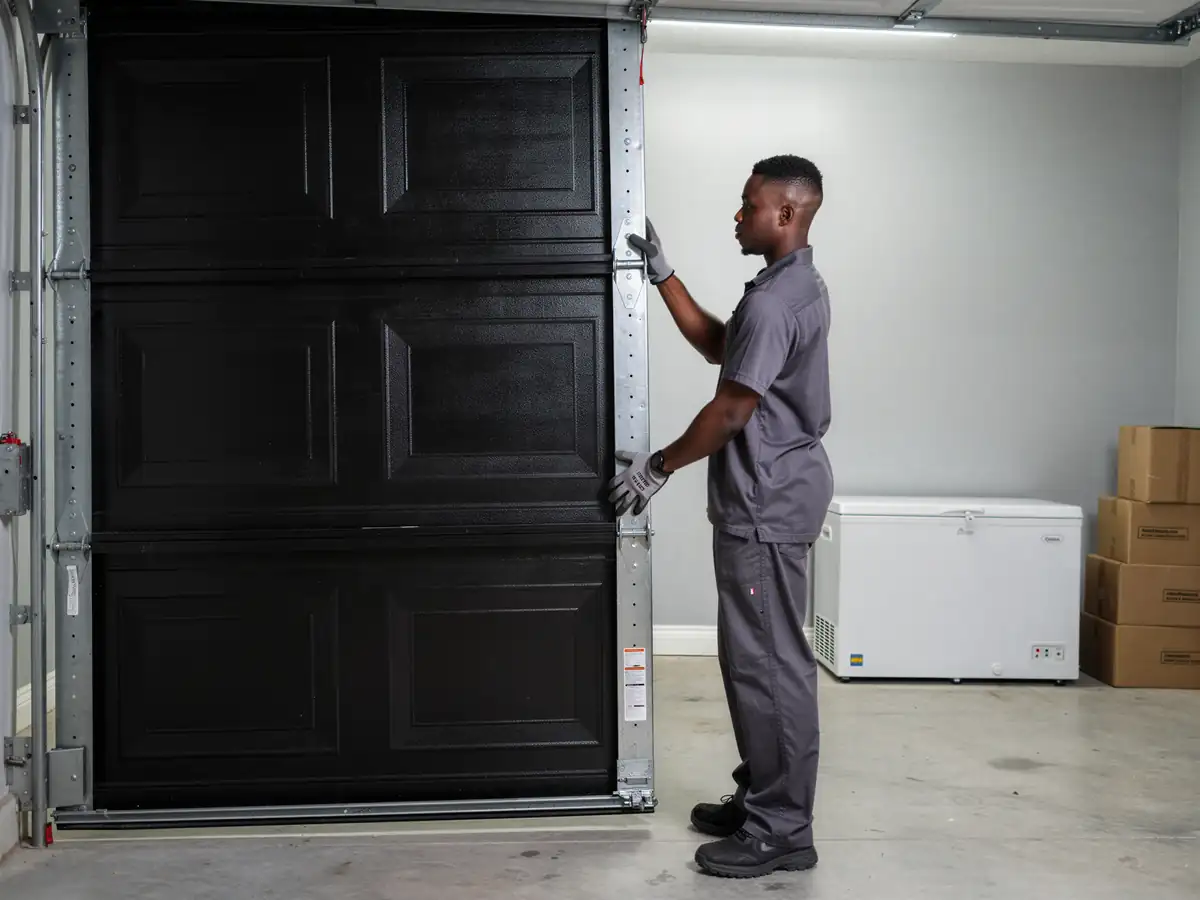
If you want to try it, start by pulling the old door and checking the opening with a level before you order anything
If the numbers come back off by more than a half inch at any corner, that's the point to call instead of push through.
What It Costs
We don't have pricing figures specific to Miami Shores to post here, and we're not going to make one up. What we can tell you is what drives the number on a house like this: the opening usually needs shimming or minor framing correction before a new door goes in, which is labor you won't see quoted on a big-box estimate for a newer subdivision. Miami Shores also sits at a household median income of $137,873, well above the $59,989 median across the wider area we cover, which tends to mean owners here ask for better insulation packages and heavier gauge panels rather than the base model.
The other cost factor is what's underneath the old door. On a structure from 1953, the track brackets and header are often original lumber or early steel that wasn't sized for today's heavier insulated panels. Reusing them to save money sometimes costs more later when they fail under new door weight. We'll tell you straight if that's the case on your house instead of quoting around it.
How It Shows Up
On houses this age, the giveaway isn't always a door that looks obviously worn. It's a door that's been painted over a few times, with hardware that's been lubricated so many times the grease has gone black and gummy. The track mounting holes are often oversized from decades of the bracket working loose and getting re-driven slightly off center.
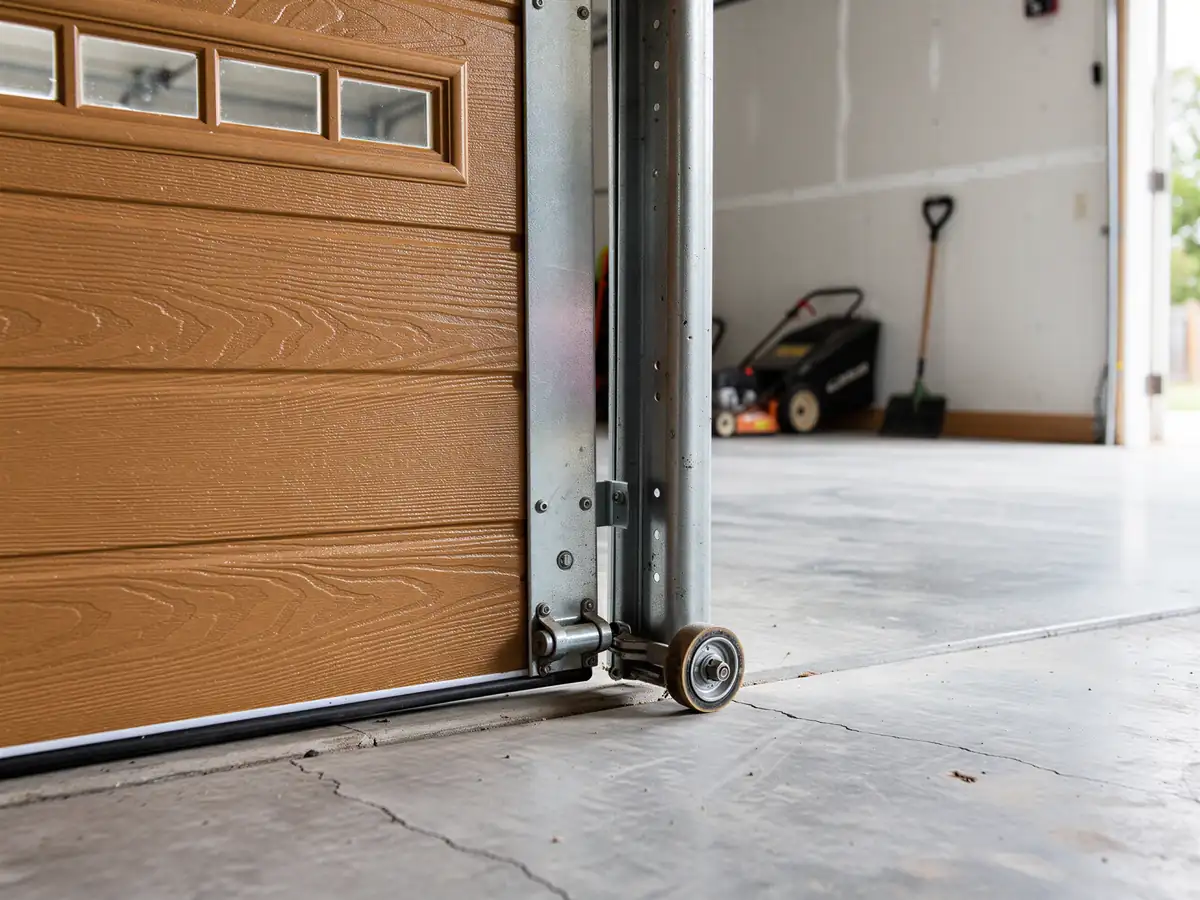
South Florida's mild, humid climate adds its own wear pattern regardless of age: steel hardware corrodes from the inside of the roller channel out, so a track can look fine on the surface and still be pitted enough to bind. On a 1953-era house that's never had the door replaced, we'll often find both problems stacked - old undersized hardware and corrosion - which is usually the point where patching isn't worth it and a full new door and track system makes more sense than another repair.
What the Repair Takes
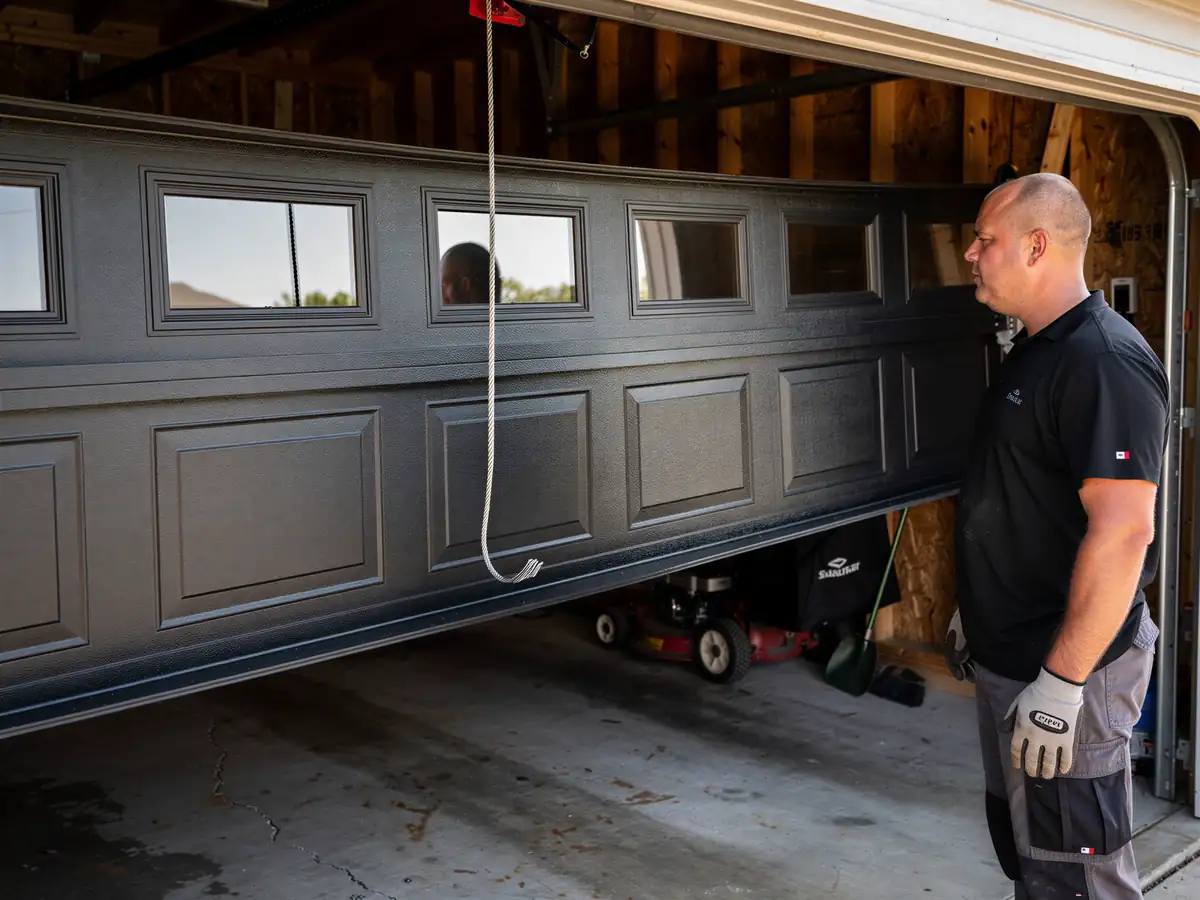
"Repair" on an original 1953 setup usually turns into replacement fast
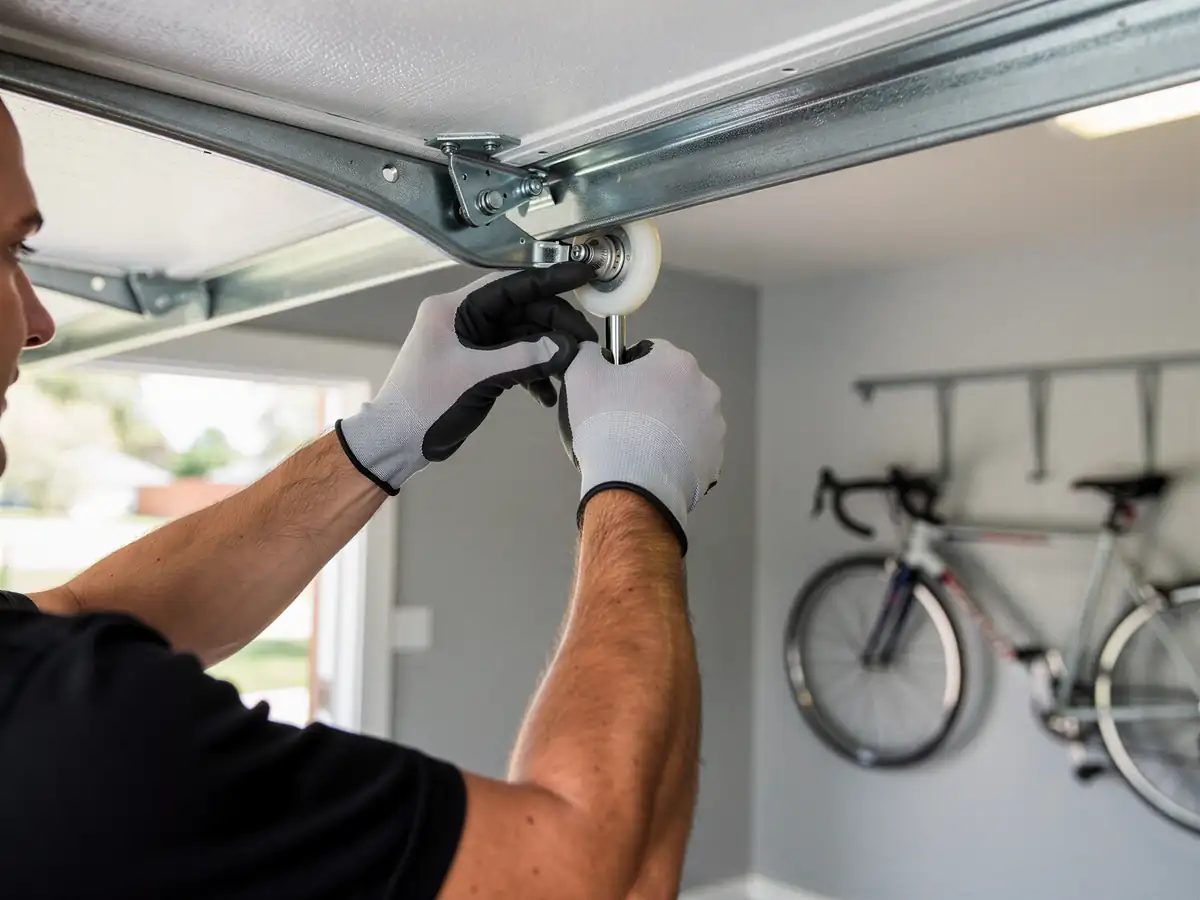
Because the parts in question - door panels, track gauge, drum sizing - were made to dimensions that current hardware doesn't match. Converting the opening to accept a new sectional door means new track, new rollers, and often a new header bracket, not just a new door slab.
What this does not mean is tearing into the framing
The rough opening on these houses is almost always still standard garage width for the era, so we're not reframing walls - we're replacing the door system that bolts to what's there and correcting the header if it's shifted out of square. Expect the full swap, start to finish, to take longer than a same-era repair would on a newer house, simply because of the extra measuring and bracket work up front.
Parts We Carry
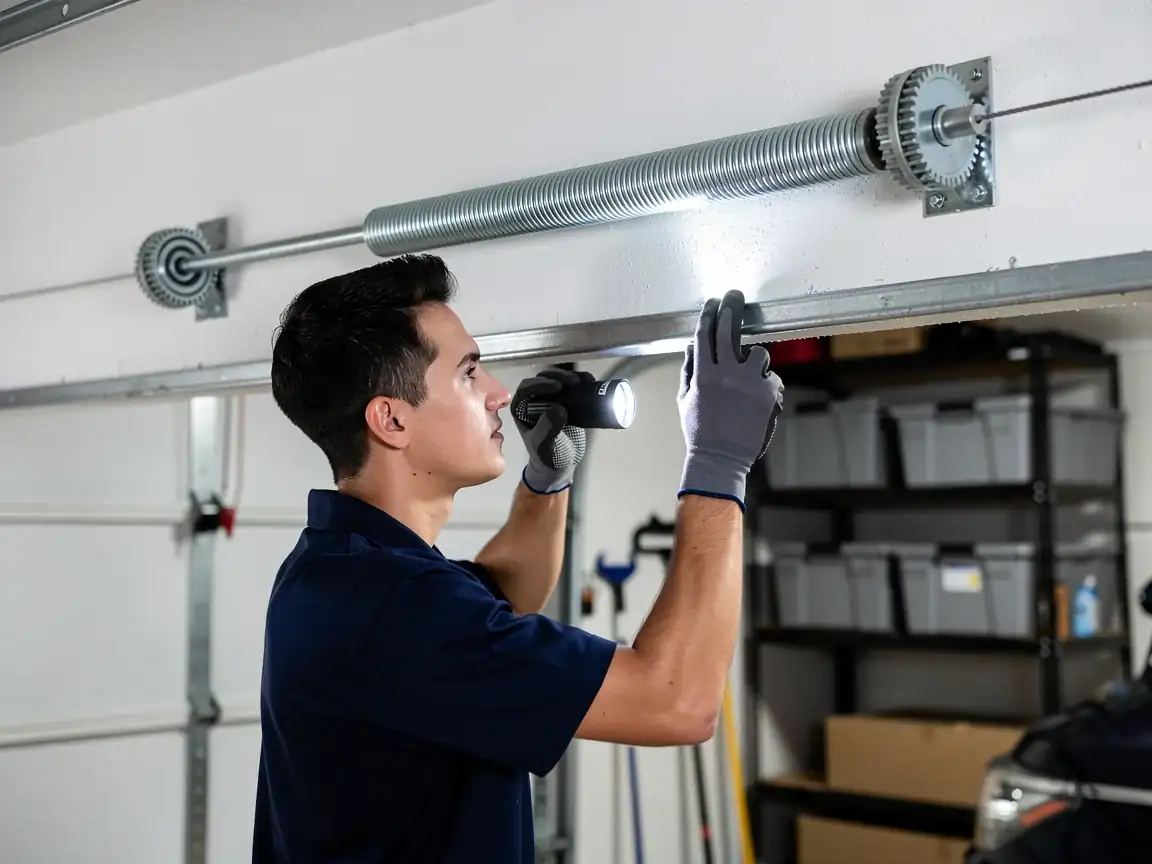
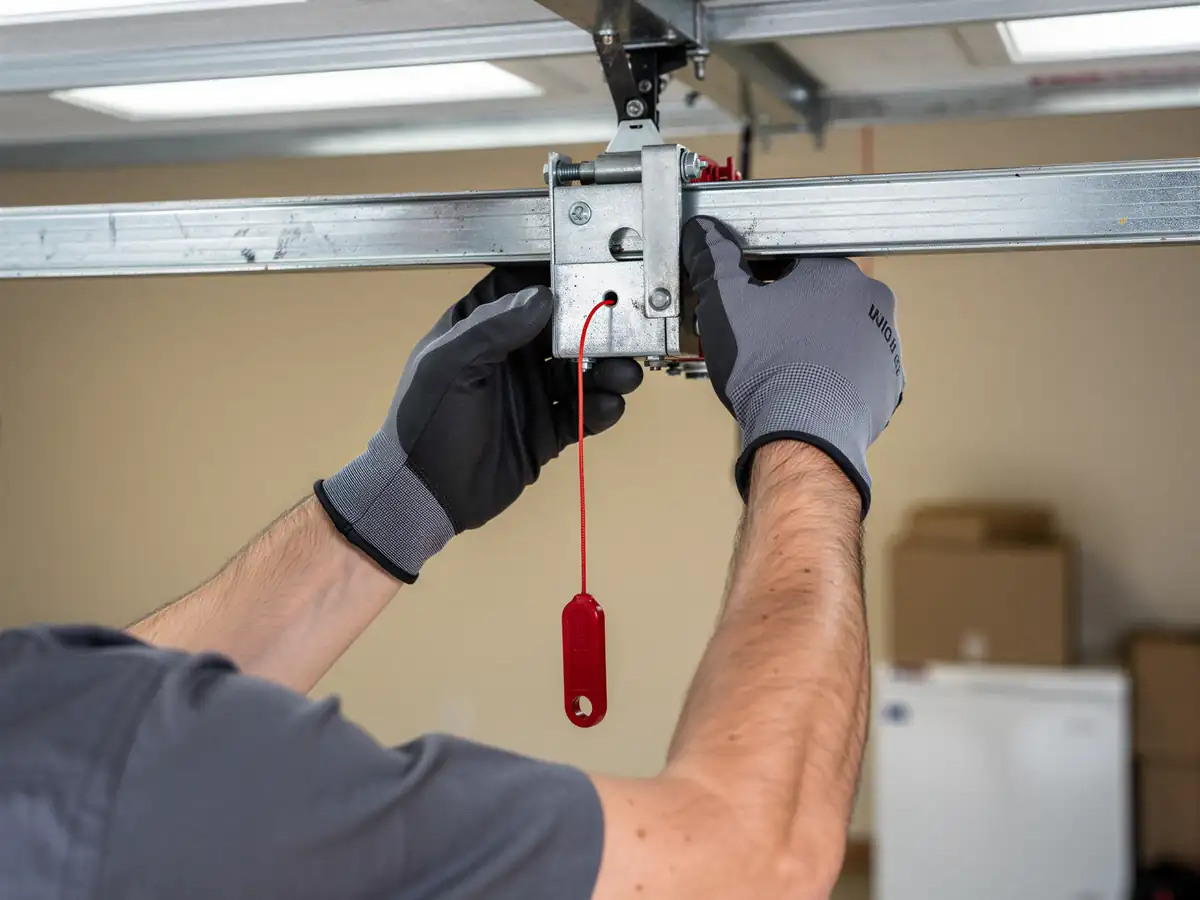
For a job like this we stock modern sectional door panels in a range of insulation levels, current-gauge track sections, and the lift hardware (drums, cables, torsion springs) sized to current door weights rather than the lighter original-era specs. We also carry the header brackets and jamb hardware needed to adapt a new system to an older opening without reframing it.
One limitation worth saying plainly: we don't stock replacement parts matched to the original 1950s hardware itself. If a homeowner wants to keep an original door running rather than replace it, that's a specialty parts search outside what we carry on the truck, and we'd tell you that upfront rather than string out a repair that's fighting discontinued parts the whole way.