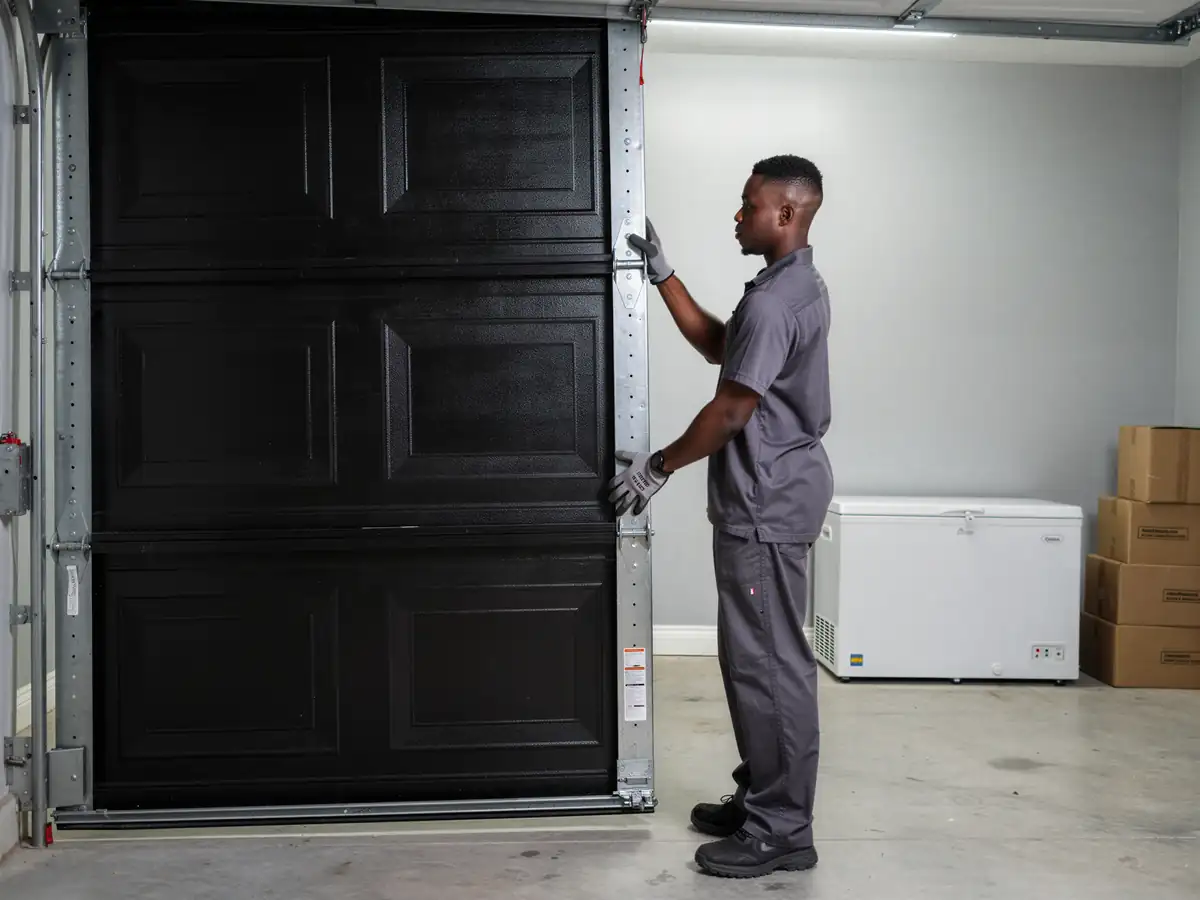
Can You Do This Yourself
A lot of what keeps a garage door running is within reach of a homeowner with a ladder and a can of the right lubricant
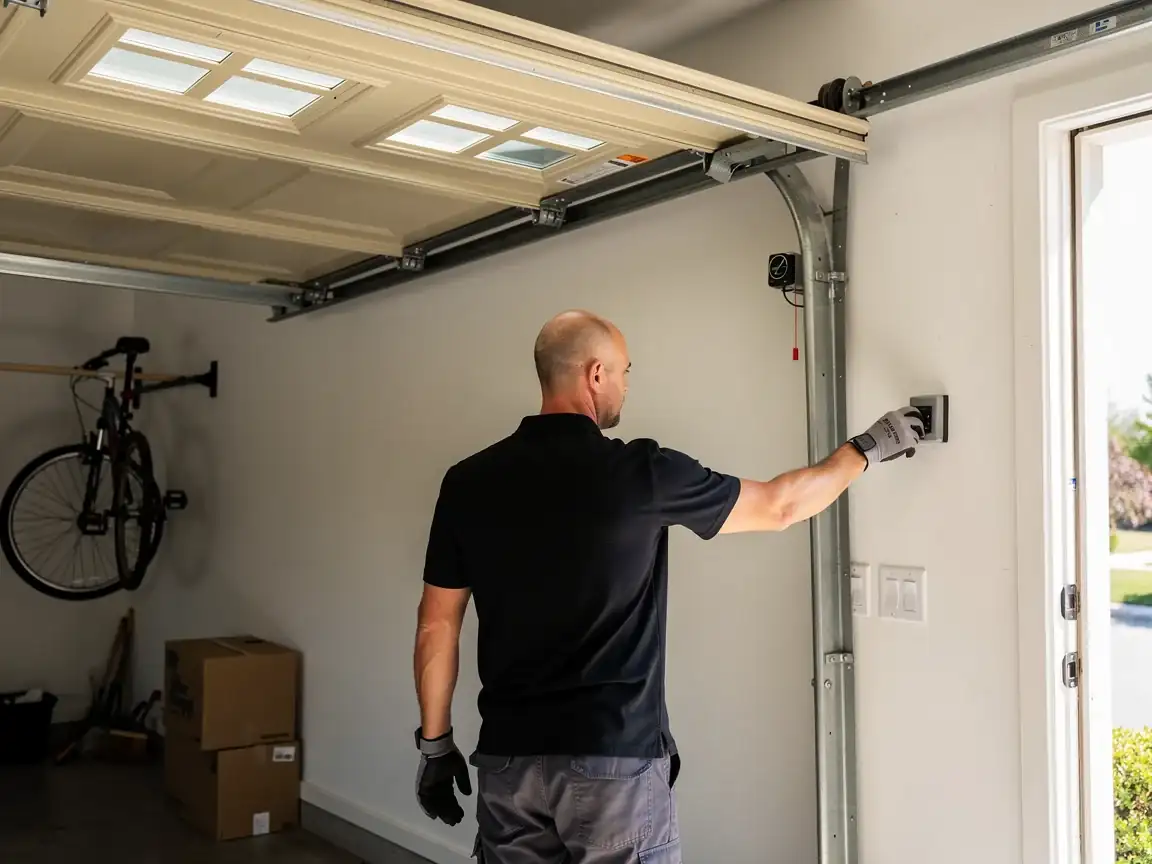
Wiping down tracks, checking that the photo-eye sensors aren't knocked out of alignment, tightening loose roller brackets. None of that needs a technician.
What's harder in a neighborhood where the median house went up around 1953 is judging spring condition
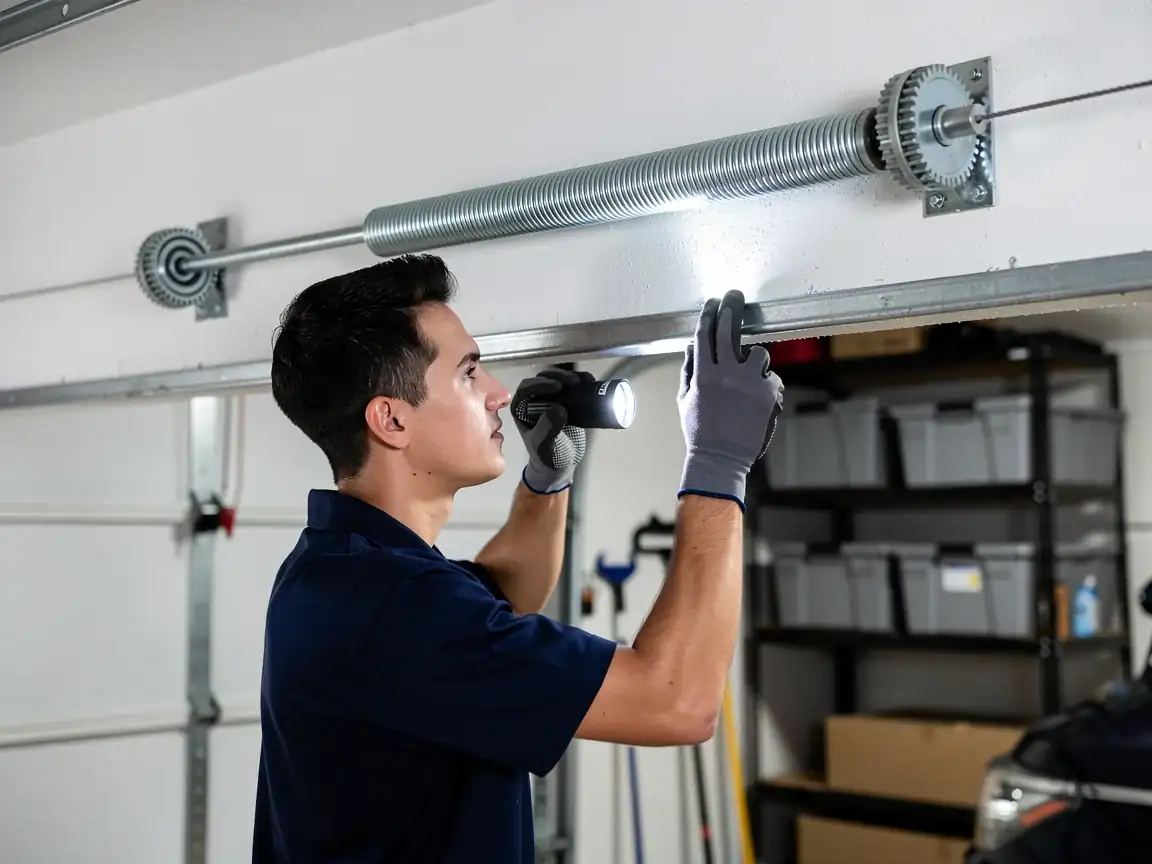
A torsion spring on a door that old has usually been replaced at least once already, sometimes with hardware that doesn't match the original drum size or wind count. Guessing wrong here doesn't just mean a stuck door - it means a spring under tension letting go while someone's hands are on it.
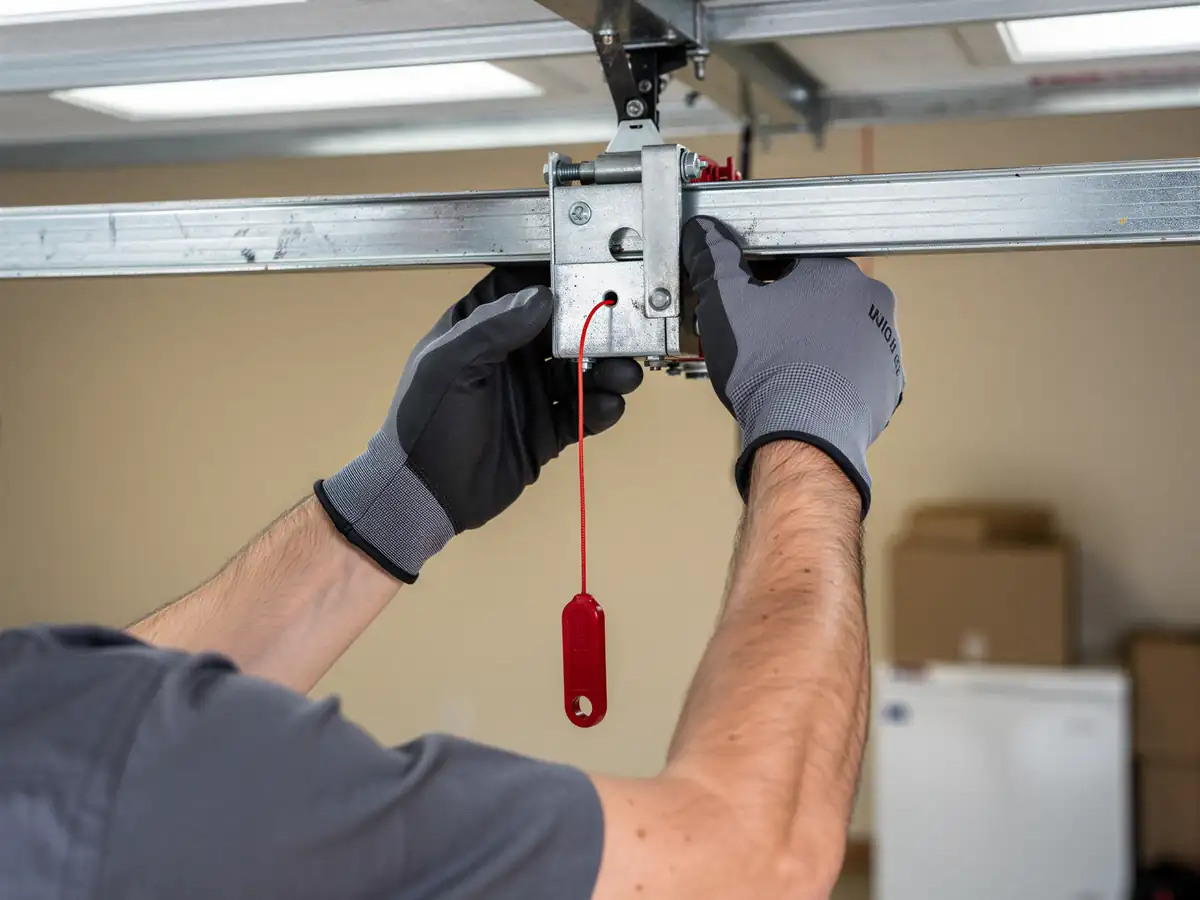
We'll say plainly: anything involving the spring, the cable, or the opener's internal gearing isn't a DIY job once the house is this old
The parts underneath often aren't the parts that came with the house, and matching them safely takes someone who's opened a few hundred of these panels, not a first attempt. If you're comfortable with the visual checks and leave tension work to a call, you'll keep the door running longer between visits.
What It Costs
We don't have a flat number to quote you here, and we're not going to invent one. What we can tell you is what drives the cost up or down in a place like Miami Shores specifically.
At a median household income of $137,873, this pocket of the service area runs well above the broader area's $59,989 median, and that shows up in what gets asked for: full tune-ups with hardware upgrades rather than patch repairs, opener replacements instead of belt swaps. It also means parts availability matters less than speed and finish - people here tend to want it done right the first visit.
The other cost factor is the 1953 build year. Original jamb brackets and track mounts on houses this age were often sized for lighter doors than what's on them now, after decades of replacements. A maintenance visit sometimes turns up mounting hardware that needs reinforcing before the tune-up even starts, which adds to the job. We'll flag that before doing it, not after.
How It Shows Up
The mild coastal temperate climate out here doesn't put doors through freeze-thaw cycling, so you won't see the cracked concrete or ice-jammed tracks that show up farther north. What you see instead is corrosion creep - galvanized coating wearing thin on rollers and hinges from sustained humidity, and springs losing their protective coating a little faster than the manuals assume.
On a house built in 1953, that corrosion has had a long head start. We regularly find torsion springs on these older Miami Shores houses that look fine from a distance but have surface pitting along the coil that's weakening them unevenly, which is what causes a door to drop crooked on one side instead of failing cleanly.
The other thing we see on this older stock: tracks that were never resized when a heavier insulated door replaced a lighter original panel somewhere along the way. The door works, but it strains the opener and wears the rollers faster than it should. That's not a dramatic failure - it's a slow one, and it's the kind maintenance catches before it becomes a repair.
What the Repair Takes
A standard maintenance visit
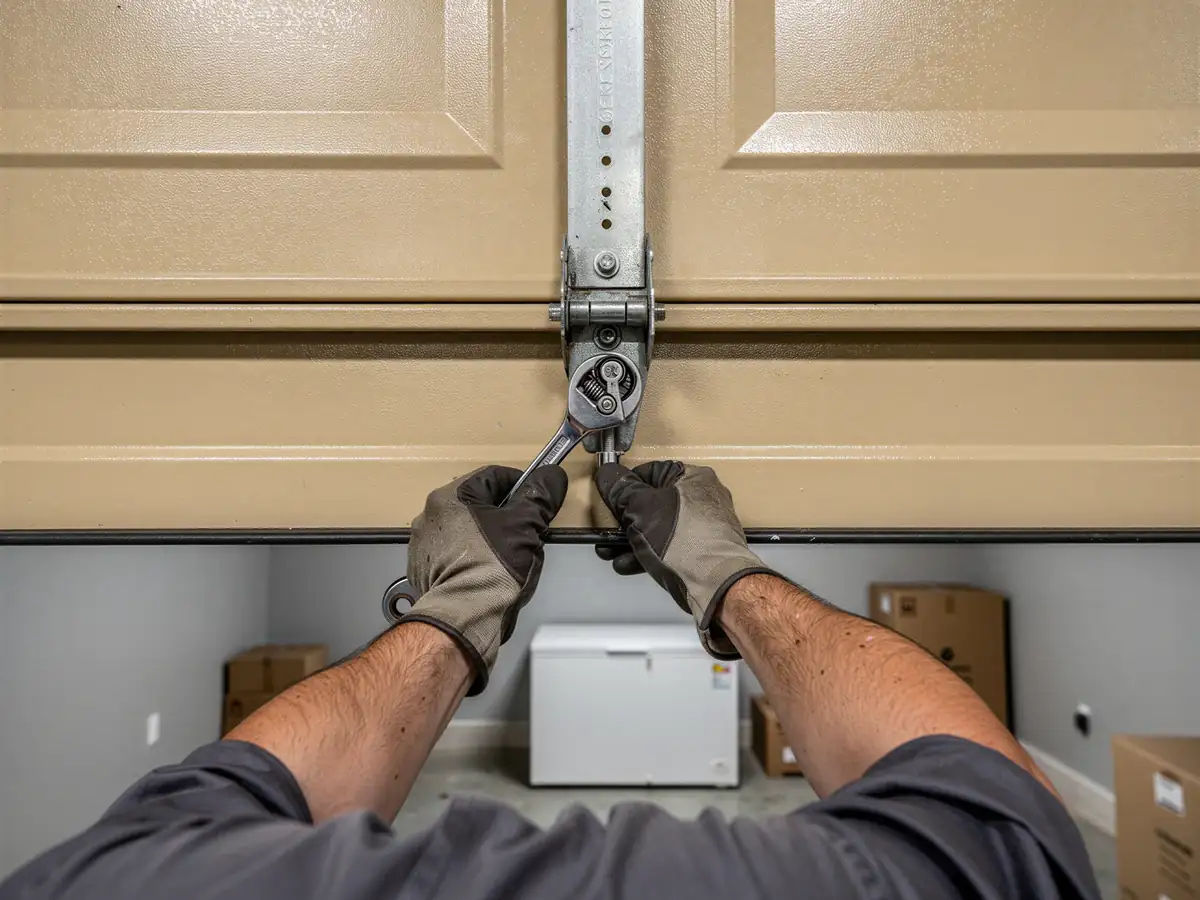
Lubrication, hardware tightening, track alignment check, spring tension check, opener sensor test - runs on the shorter side of a service call. Where it takes longer in Miami Shores is when we hit mismatched hardware from a prior repair, which isn't rare on houses from the early 1950s that have had multiple owners and multiple quick fixes over seven decades.
When we find a track mount that's been reinforced with hardware that doesn't match the original bracket spacing, that adds time
Because we're not going to bolt new rollers onto a bracket that's already stressed. We'll either reinforce it properly during the same visit or flag it for a return trip if it needs a part we don't have on the truck.
We travel in from Aventura, about seven miles out
So we plan the visit with enough time to deal with what we actually find on an older door, not just what was described on the phone. If a repair turns out to need a full spring or track replacement rather than a tune-up, we'll tell you that on site rather than mid-job.
Parts We Carry
We stock the parts that fail most on the kind of doors common to this stretch of the service area: torsion springs in the standard wind counts, galvanized rollers, standard-lift cable, and the sensor and limit-switch components that go bad on openers installed in the last fifteen to twenty years.
What we don't carry on the truck is replacement hardware for the original 1953-era track and bracket sizing - that's hardware nobody manufactures anymore, and on the rare door that still has it, we're sourcing or fabricating a fix rather than pulling it off a shelf. That's the honest limit: if your door still has original mounting hardware from when the house was built, expect a return trip for that specific part rather than a same-visit fix.
For everything installed in the decades since - which is most of what we see on these jobs - we carry what's needed to finish a tune-up or repair in one visit, matched to the torsion and track hardware actually on the door, not just what's typical for the model.