Can You Do This Yourself
The fault we see most in Miami Shores isn't a modern opener glitch
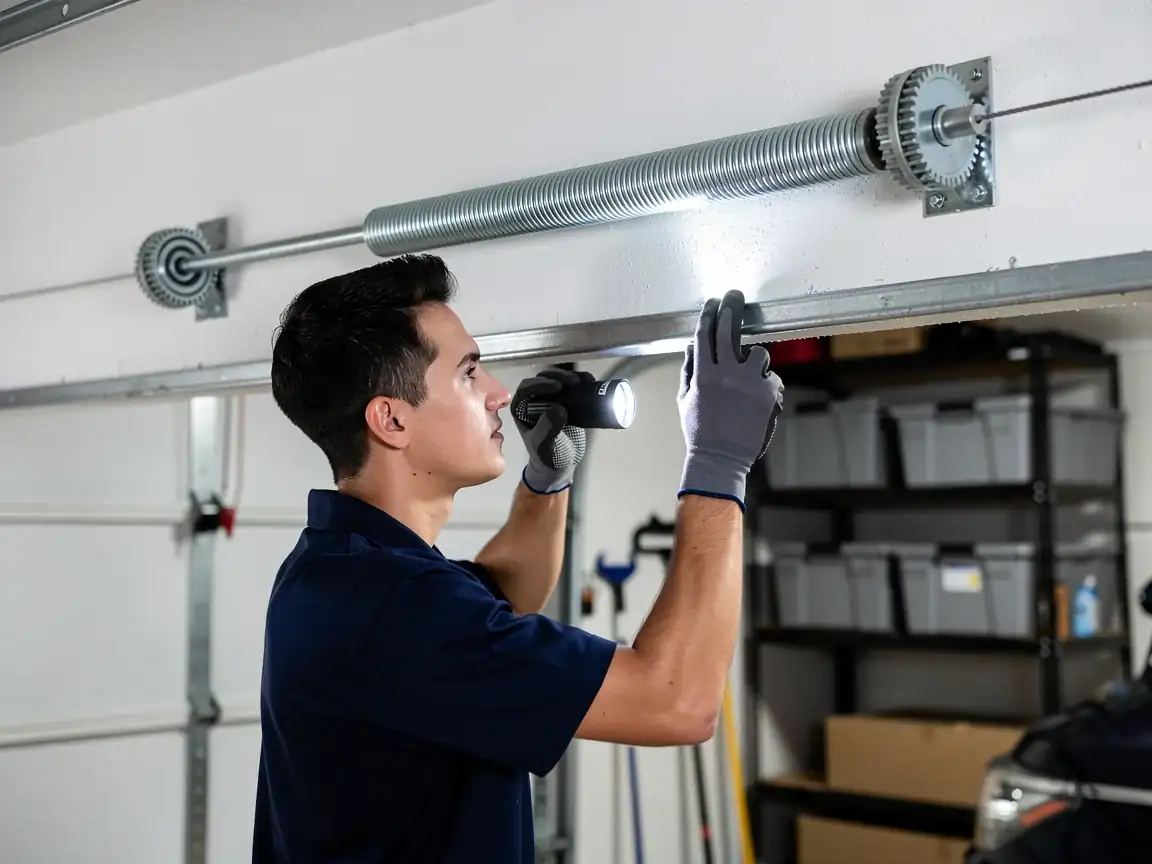
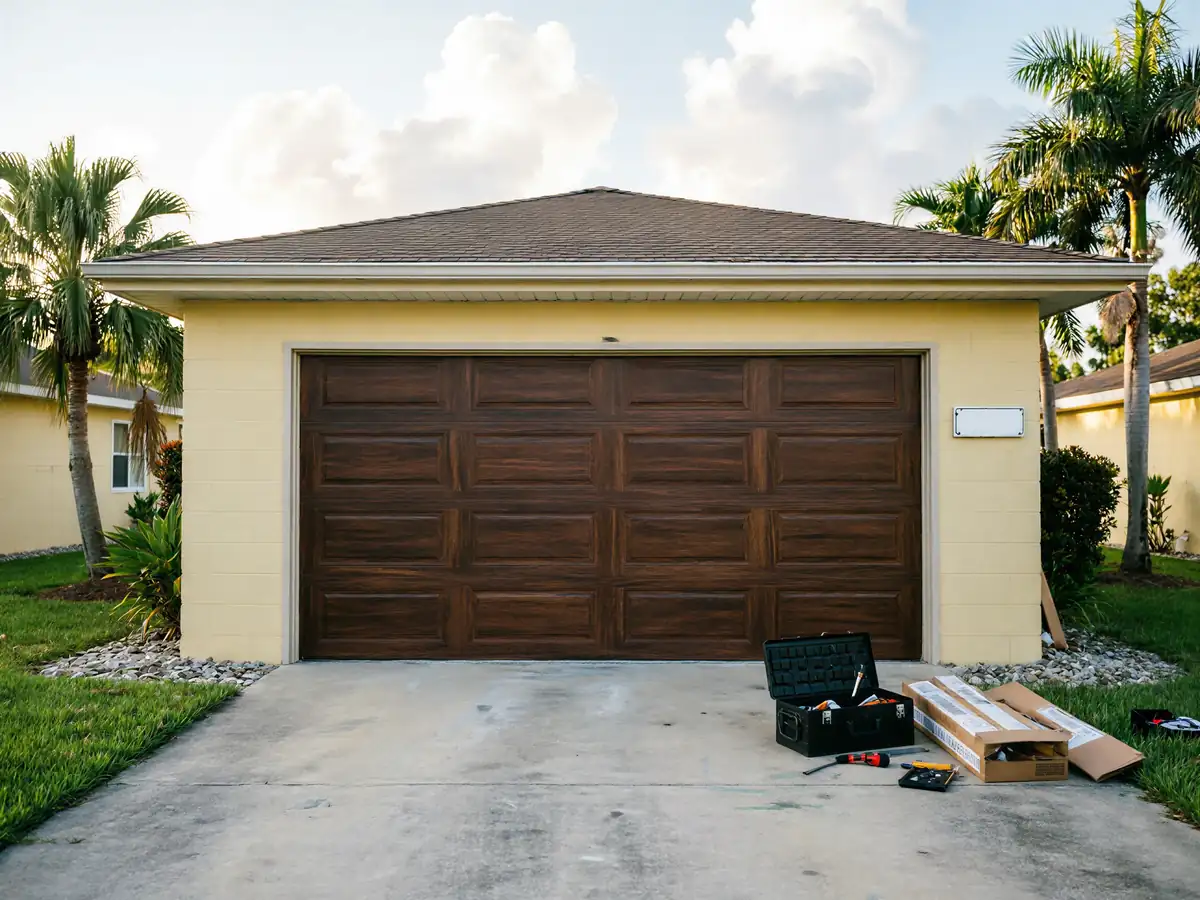
It's hardware tied to a house built when Eisenhower was in office. The median home here went up in 1953, a full decade ahead of the broader build-out across the rest of the service area, which runs 1953 to 1992. That matters because doors from that generation were often set up with extension springs running along the horizontal track rather than the torsion spring over the header that's standard now. Somewhere along the way, most of these got swapped for torsion systems, but the openings, the jamb spacing, and sometimes the track geometry still reflect the original build.
Can you handle any of this yourself?
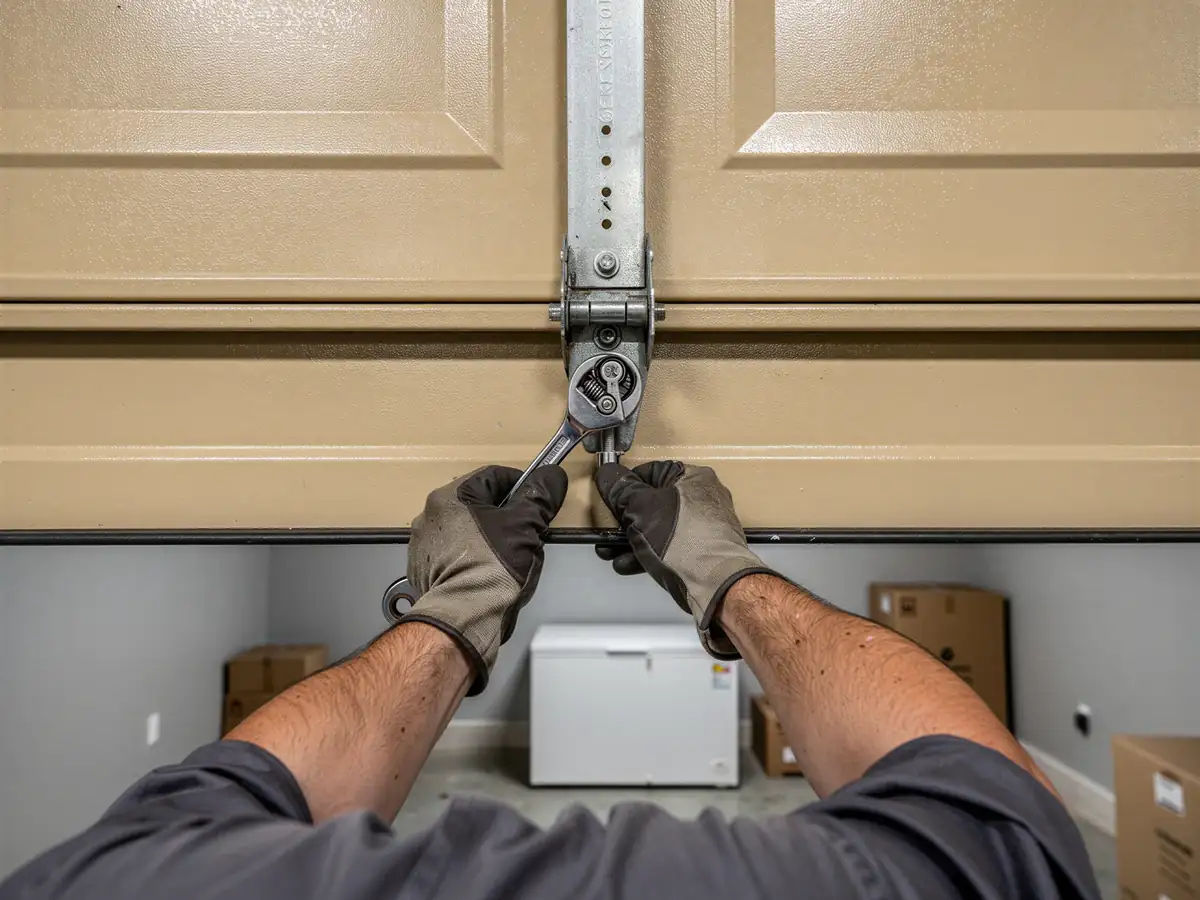
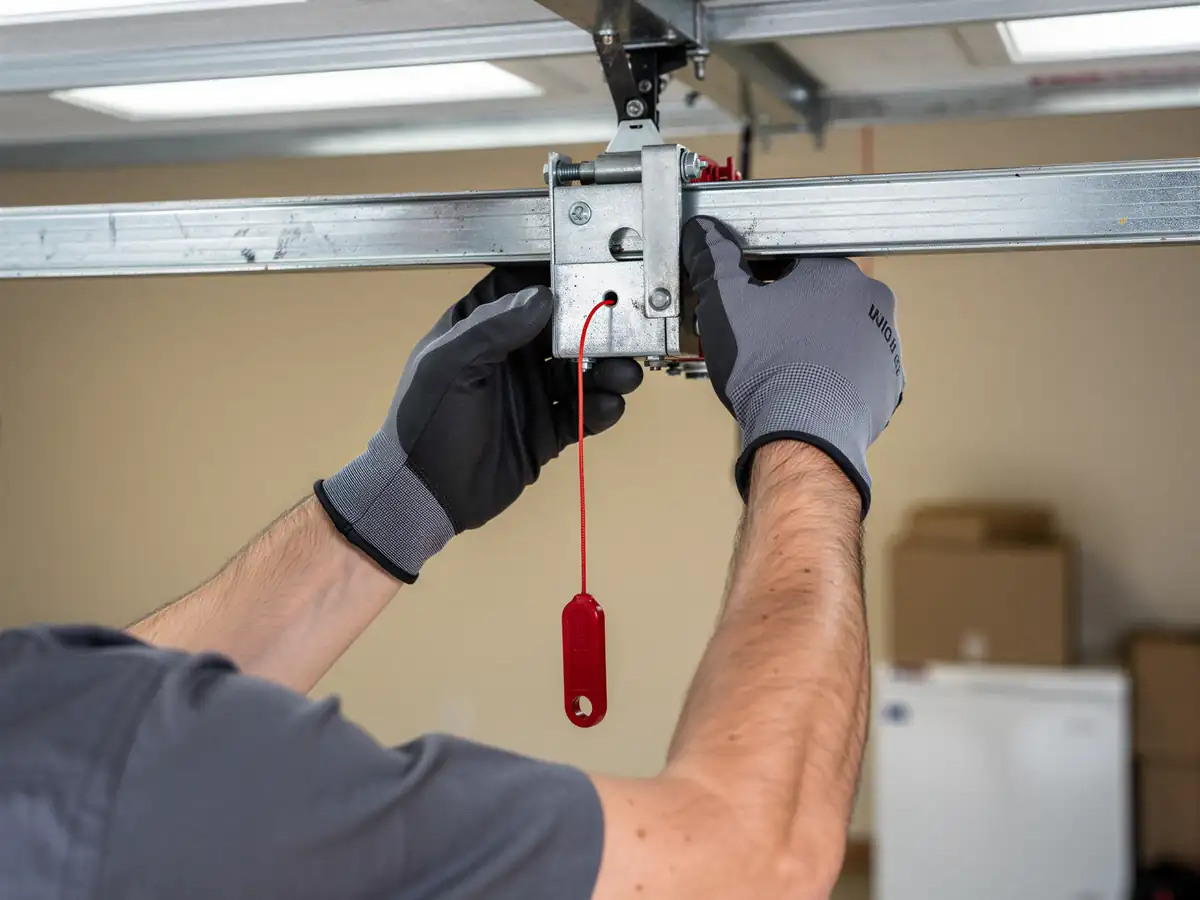
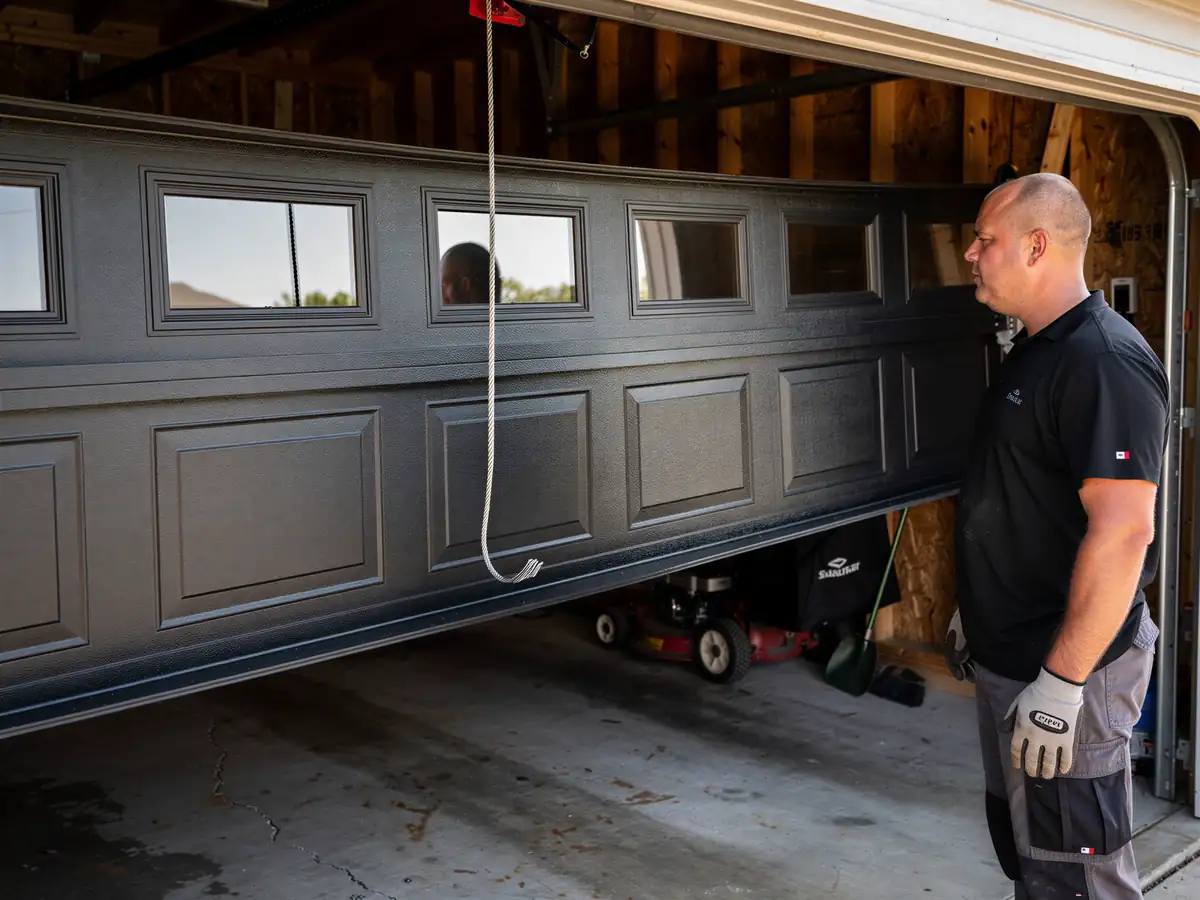
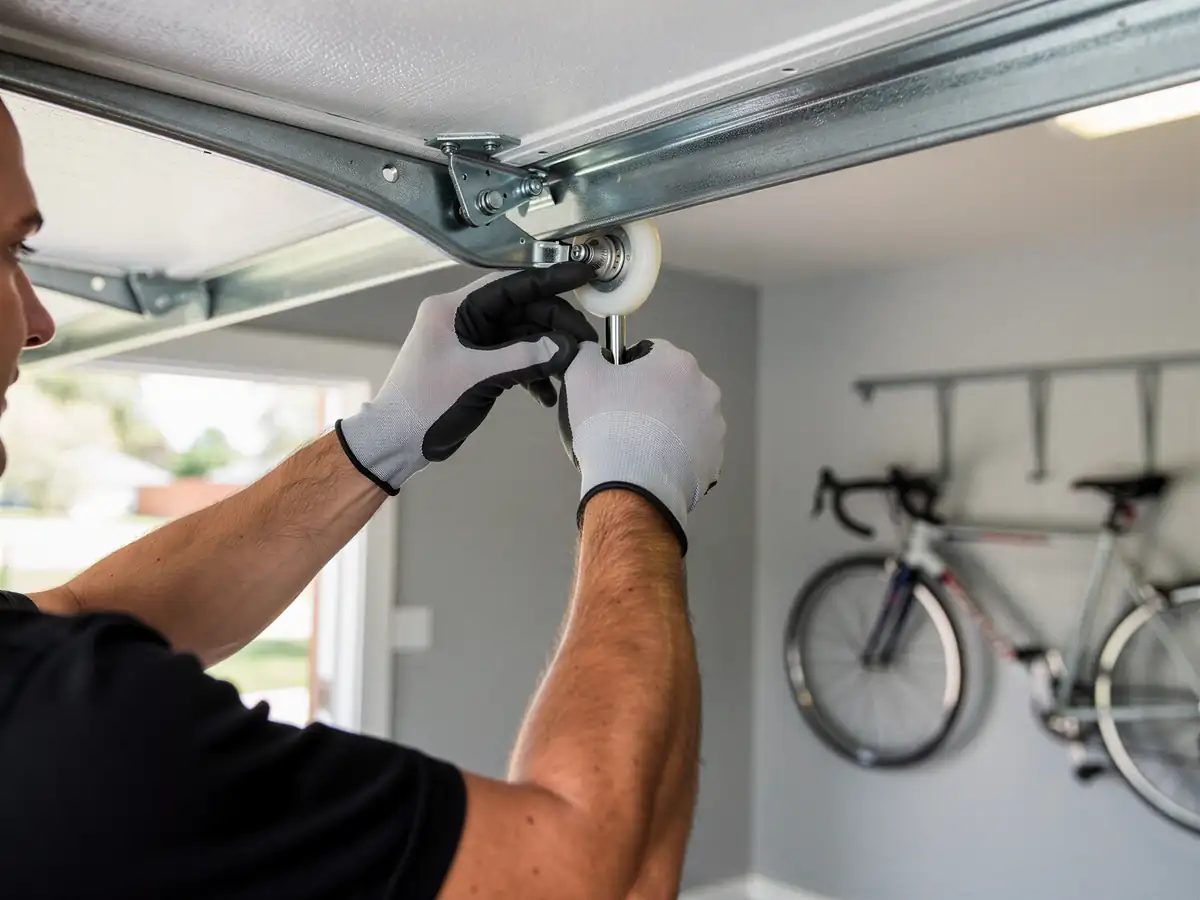
Tightening a loose roller bracket or lubing hinges, sure. Touching a spring under tension, torsion or extension, is not a do-it-yourself afternoon. A spring that's been holding a 150+ pound door for seven decades' worth of cycles doesn't give a warning before it lets go. If the door won't open, or it opens unevenly, or you hear a bang from the garage, that's a call-a-pro moment, not a YouTube moment. We're honest about that limitation because it's the one job on this list where a mistake costs a hand, not a redo.
What It Costs
We don't post a flat number for Miami Shores because the job depends on what's actually behind the door, and that varies more here than in newer tracts. With a median household income of $137,873, well above the $59,989 median across the wider service area, more of these doors have been upgraded to insulated steel or custom wood-look panels rather than left as bare original steel. That changes the math on repair versus replacement: a cracked panel on a $400 steel door is a different conversation than the same crack on a door that cost four times that.
What we can tell you is which factors move the price. Spring type (torsion versus the older extension-and-pulley setup) changes labor time. Track condition on a 70-year-old opening sometimes means the jamb itself needs attention, not just the door. And if the original header isn't sized for a modern torsion bar, that's an extra step, not a standard swap. We quote onsite once we've seen the actual hardware, because guessing on a house this old usually guesses wrong.
How It Shows Up
On a door this old, failure rarely looks dramatic at first. It's a door that's gotten heavy to lift by hand, a remote that works some mornings and not others, or a grinding noise that wasn't there a month ago. Given the 1953 median build year here, a lot of what we find is cumulative: galvanized hardware that's outlived its rust-resistant coating, cables fraying where they've rubbed the same drum spot for decades, or a torsion spring that was installed as a retrofit and sized a touch short for the door it's lifting.
The mild temperate climate across this area means we're not chasing frost-cracked seals or ice-jammed tracks the way a colder-climate company would. What ages hardware here is cycle count and humidity, not freeze-thaw. Salt air plays a role too, further out toward the coast, corroding springs and hinges faster than a dry inland climate would. None of that shows up as a sudden failure - it shows up as a door that's slowly getting harder to trust, right up until the morning it doesn't open at all.
What the Repair Takes
Once we're on site, the first thing we check on a Miami Shores call is whether the spring and track hardware match the house's age or whether it's a later retrofit
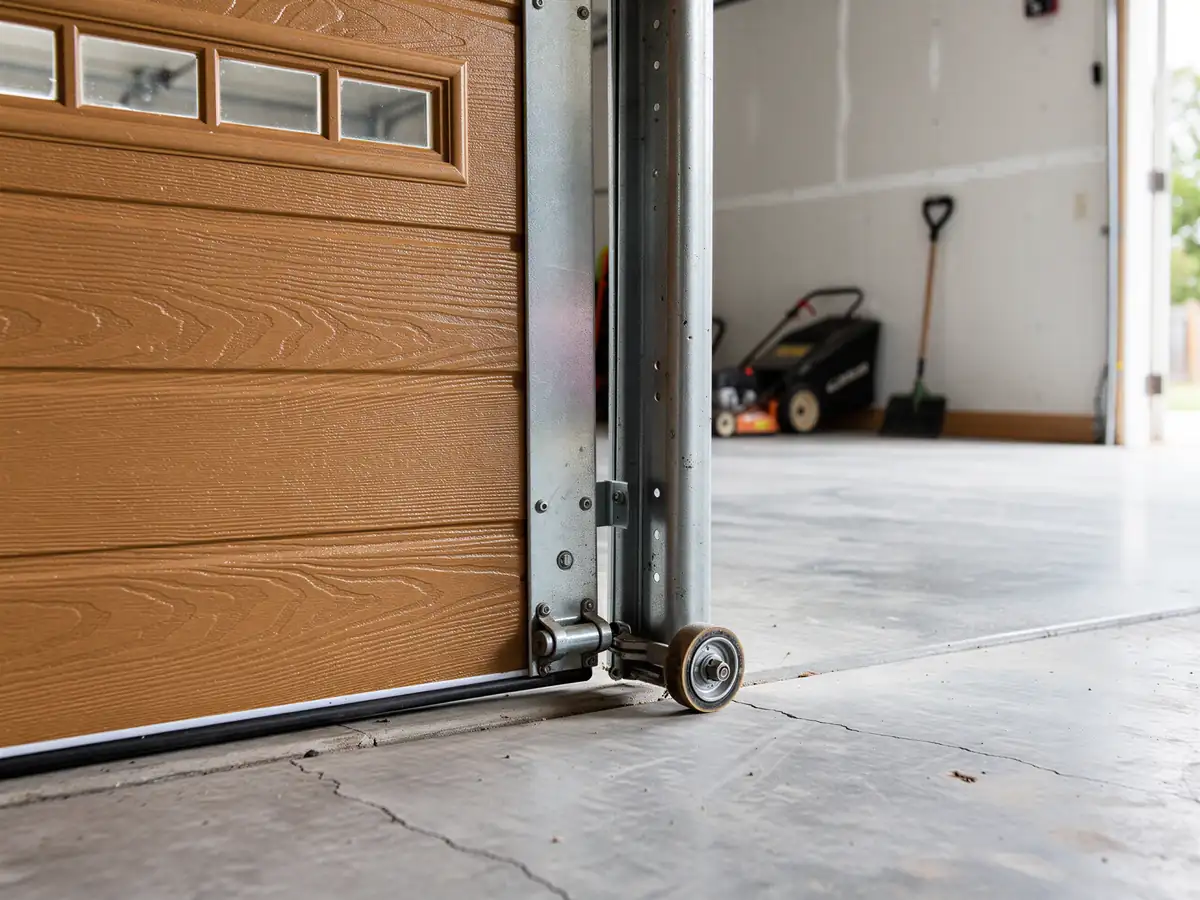
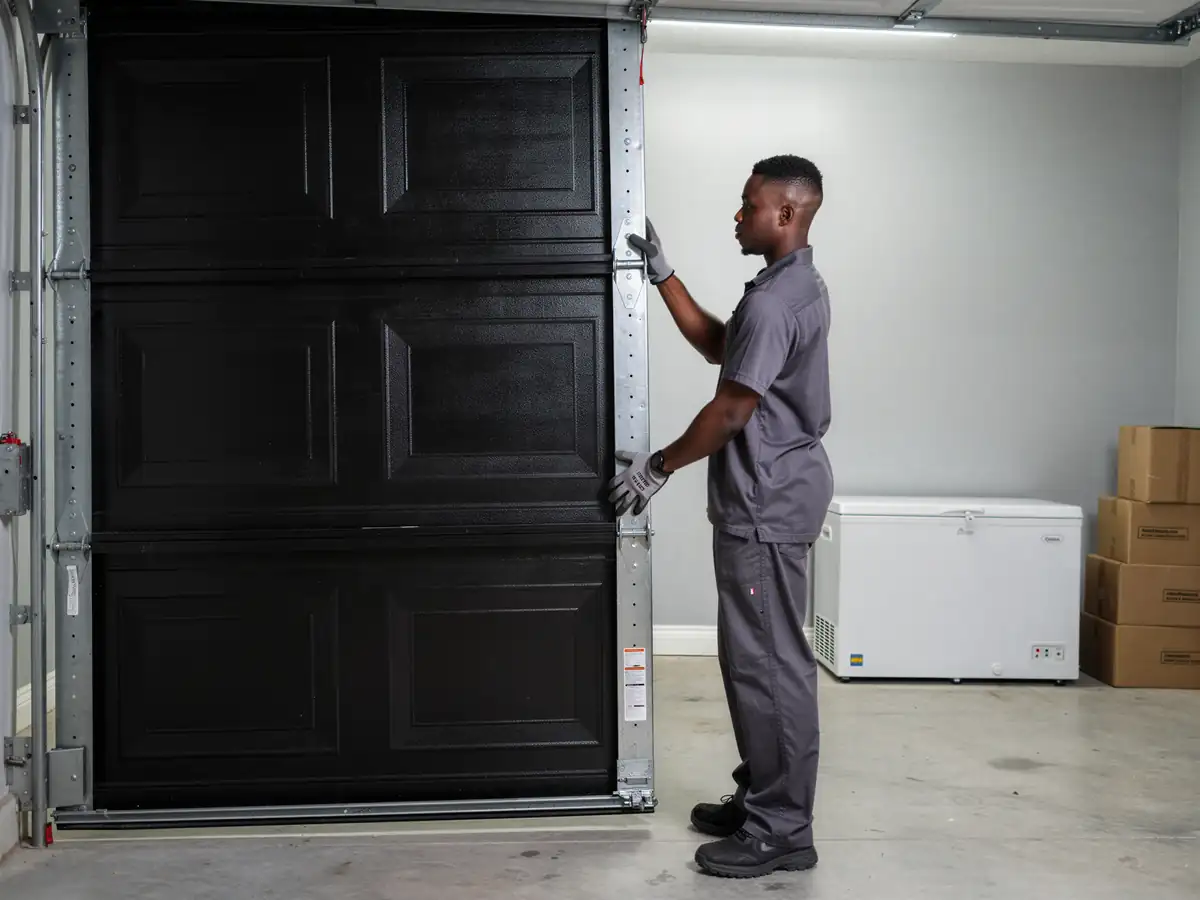
That tells us what we're actually working with before we touch anything. A straightforward torsion spring swap, once we've confirmed the shaft and drums are in good shape, doesn't take long. A job where the original extension-spring track is still partly in place, or where the opening itself has settled slightly over seven decades, takes longer because we're fitting new hardware to an old frame instead of a standard one.
We travel the seven miles from our Aventura base to reach these blocks
There's no branch office here, just the truck and the parts on it. That's worth knowing upfront: we're not a drop-in neighborhood shop, we're a company that routes out to Miami Shores as part of covering the wider area. For anyone comparing us against a closer outfit, the honest answer is that distance adds a little drive time, not a different standard of work.
Parts We Carry
Given the age of the housing stock here, we stock torsion springs across the sizes that fit both original-era retrofits and newer installs, plus extension spring hardware for the handful of doors that never got converted. We carry standard galvanized cable, rollers in both nylon and steel, and the hinges and brackets that wear out fastest on a door that's been cycling since the 1950s or 60s.
What we don't stock on the truck is anything custom to a discontinued panel design or an odd-width door from a manufacturer that's no longer in business. On a house this old, that comes up more than you'd think. If your door is a nonstandard width or an original wood panel that's been patched over the years, we may need to order a part rather than carry it, and we'll tell you that upfront instead of pretending otherwise. Everything else - torsion and extension springs, cables, rollers, standard track sections, and openers - we carry, because that covers most of what fails on homes from this era.